
Key Takeaways
- One of the primary distinctions between vaping and smoking cannabis is their heating mechanisms. Vaping utilizes controlled vaporization at comparatively lower temperatures, while smoking involves high-temperature combustion. This difference influences both potency and health implications.
- What you’re inhaling from each is different. With vaping, you’re inhaling mostly cannabinoids and terpenes without the harmful byproducts of combustion. Smoking adds extra chemicals and particulates to your lungs.
- Users tend to find vaping smoother and more flavorful, with lower temperatures preserving delicate compounds and being adjustable for taste. Smoking can be harsher and diminishes flavor.
- Vaping is a convenient and discreet option because vaporizers are portable, emit less odor, and you can control the dose and temperature to your liking.
- Health risks vary, too: Vaping typically generatesfewers respiratory irritants and can limit exposure to some toxins. The safety of additives in certain vape goods is another key factor.
- To decide for themselves, people should consider factors like potency, health conditions, equipment choices, and social or environmental implications. Ultimately, they should choose what best fits their lifestyle and wellness goals.
Vaping heats cannabis to release active compounds as vapor, while smoking burns it to produce smoke for inhalation. Each provides distinct effects, onset speed, flavor, and health risks. Vaping can taste cleaner and smell less, and is generally considered to be less harsh on the lungs. Smoking offers a faster onset but has smoke byproducts. Vaping gear varies from compact pens to desktop devices, whereas smoking involves rollies, pipes, or bongs. Knowing the differences lets users pick what suits best. A deep dive into effects, safety, and user experience in the next few sections reveals what really differentiates these two.
Key Differences: Vaping vs Smoking Cannabis
It’s important to note that vaping and smoking cannabis utilize different heating methods and delivery systems, resulting in different user experiences, health impacts, and practical considerations. Key differences include:
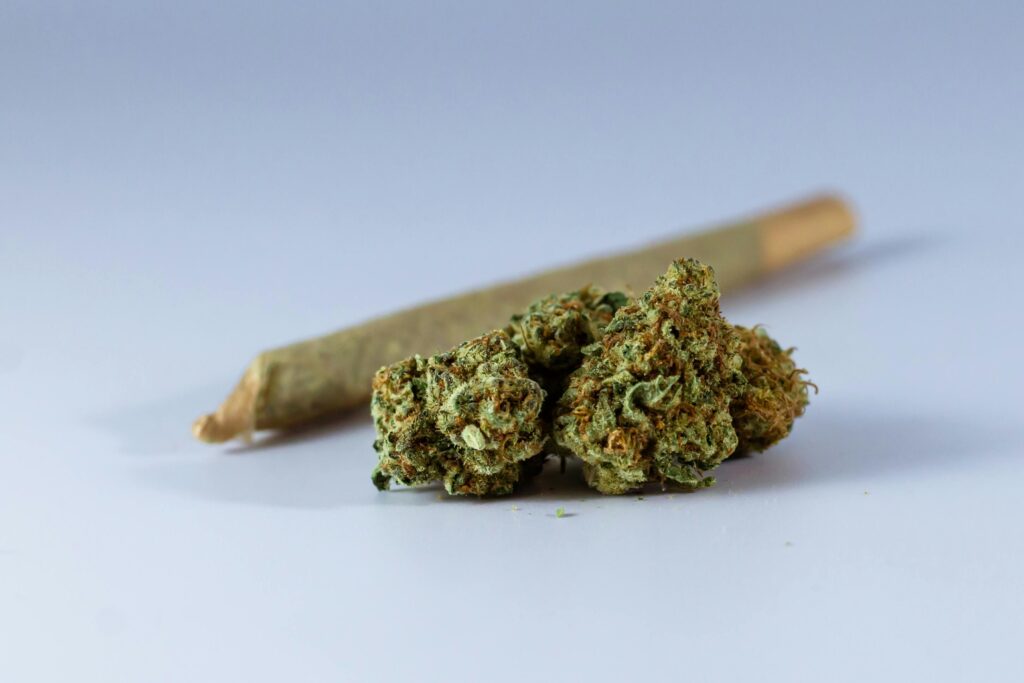
- Vaping heats cannabis at lower temperatures to produce vapor rather than smoke, while smoking uses combustion.
- What you inhale from vaping generally has fewer combustion byproducts than smoke.
- It is often described by users as being smoother, with more potent and longer-lasting effects.
- Vape devices are portable and discreet, often favored for their convenience.
Temperature
It works at 160–230°C, high enough to liberate cannabinoids and terpenes as vapor, below the temperature of combustion. Smoking ignites cannabis at more than 600°C, creating smoke with tar, carbon monoxide, and other byproducts. These lower temperatures preserve more cannabinoids, making your extraction much more efficient and giving your vape a cleaner taste. The flavor of the cannabis is far more complex, as essential compounds aren’t lost through heat degradation.
Potency
Vaporized cannabis is often more potent. Research indicates higher THC levels in blood from vaping than from smoking. This is in part because vaporization sidesteps combustion, which destroys a few cannabinoids. Vaping extracts and concentrates can go even further, increasing potency and in some cases resulting in significantly stronger effects, particularly among occasional users. User tolerance can vary by method as well. Frequent vapers tend to develop tolerance to increased THC potency relatively fast.
Flavor
Vaping preserves terpenes, the essence of the cannabis flavor, way better than combustion. Less heat means more delicate terpenes survive, so you taste the entire profile of the strain. By burning plant material, smoking frequently generates a harsher, more homogeneous flavor. A lot of users say that vaping delivers a cleaner, more enjoyable flavor. Some still prefer the smokiness.
Discretion
Vaping is more discreet because it leaves less smell and visible vapor, as opposed to lingering smoke. Portable vape pens increase this by sliding easily into pockets or bags. Socially, vaping is less conspicuous and stigmatizing, particularly in public arenas, so it is more desirable for anyone looking for discretion.
Control
Vaping allows users to set the temperature and dose, which is more difficult to do with smoking. Variable vape settings give you a method of customizing each session and experimenting with different products. Smoking provides less control, as combustion is less precise and dosing is less accurate.
Health Impact Comparison
In terms of health impact, the distinctions between vaping and smoking cannabis are based on how the body responds to smoke versus vapor, the long-term effects on physical organs and systems, and usage habits. The distinctions below highlight key risks and considerations:
- Vaping cannabis heats the bud or concentrates to release active compounds as vapor, whereas smoking burns the substance and generates smoke that carries damaging byproducts.
- Vaping causes fewer respiratory symptoms, such as cough and chest tightness, than smoking, even after adjusting for quantity and cigarette consumption, studies find.
- Blood THC concentrations climb more quickly and higher following vaping than smoking, leading to more intense effects and increased impairment with respect to reaction time and time perception, especially when consumed at high doses.
- Both methods increase heart rate. Smoking’s combustion byproducts may pose a greater risk for lung diseases. Vaping’s long-term cardiovascular effects are still being studied.
- Own health, usage, rate, and method sensitivity do shift danger, so self-evaluation and moderation are key.
Respiratory System
That’s because vaping cannabis circumvents combustion. Fewer tar and carcinogens make their way into the lungs than when you smoke. This difference matters. Research shows vapers are 40% less likely to report cough, phlegm, or chest tightness than smokers, even after accounting for tobacco use and cannabis dose. Smoking cannabis is associated with bronchitis and impaired lung function. Symptoms and forced vital capacity in users improved after switching from smoking to vaping for one month. Although vaping is not without risk, the absence of burnt biomass reduces lung inflammation and disease risk, promising some pulmonary advantage over traditional combustion treatment.
Cardiovascular System
Both vaping and smoking cannabis can raise heart rate and blood pressure, though their effect varies. Vaping concentrates THC in greater amounts more quickly, which translates to more pronounced acute effects for infrequent users. Smoking brings in combustion that might potentially add stress to the cardiovascular system. Research found comparable heart rate spikes with both methods. Vaping is preferred at times for its superior THC bioavailability and for bypassing smoke-associated cardiac hazards. Moderation counts, as daily or heavy use, no matter the route, might boost long-term danger.
Mental Health
- Vaping and smoking both impact mood, anxiety, and cognitive performance.
- Vaping creates more intense and rapid effects that can induce anxiety or intoxication, particularly at elevated doses.
- While a few find it calming and stress-relieving, others feel more agitated or even paranoid, especially with intense strains or heavy consumption.
- Cannabinoids can aid in mental health. How you use them affects the speed and intensity of the relief.
Vaping, at high doses, can slow reaction and time tracking far more than smoking the same dose. For others, this increased strain potency translates to more powerful subjective effects — good and bad. For young adults, the risk of addiction and damage to mental health may be greater, particularly from frequent vaping.
What You Inhale
The chemicals you vape, or smoke affect not only the immediate experience butalso your health. Know what you’re breathing in, so you can make a smart decision to protect yourself.
Combustion Byproducts
Burning cannabis produces smoke with more than cannabinoids. Burning generates tar, carbon monoxide, polycyclic aromatic hydrocarbons, and volatile organic compounds. These byproducts are dangerous, and some are associated with cancer risk. Inhaling smoke means inhaling tiny pieces of solid matter, which can contribute to airway irritation and long-term lung issues.
Health hazards from breathing in these byproducts are far from negligible. Exposure over time has been linked to respiratory problems and heightened inflammation. Vapor is pure; smoke couldn’t be further from it, and the harshness can diminish the overall cannabis experience. Vaporization, because it doesn’t burn, entirely sidesteps these lethal leftovers.
Vapor Composition
Vapor, as opposed to smoke, is a concoction of aerosolized stuff. When you hit a vaporizer, you’re mostly inhaling cannabinoids—THC, CBD, and the like—as well as terpenes, the natural compounds that make cannabis smell and taste the way it does. The lack of combustion means fewer dangerous chemicals, but the vapor can still harbor solvents like vitamin E acetate. This additive has been associated with lung injuries, particularly with unregulated products.
The makeup of vapor can vary with device, temperature, and form of cannabis. The cooler the temperature, the more terpenes are preserved. The hotter it gets, the more cannabinoids are released. This can influence the impact and flavor, making vaporizing a more personalized sensation. Even breathing in aerosols can inflame lungs and affect immune cells. For instance, CBD vapors can increase regulatory T cells in the lungs, whereas e-cigarette nicotine can hinder immune protection.
Additive Risks
A lot of vape products, particularly ones that aren’t tightly regulated, contain ingredients that aren’t always listed. Solvents and thickeners like vitamin E acetate can be very dangerous. Open labeling is crucial so consumers are aware of what they are actually vaping.
What’s in your oils and cartridges counts. Illicit products can be tainted,d and inhaling those can result in lung damage, such as elevated neutrophil elastase. Clear, honest product information remains a critical consumer safety issue.
The User’s Toolkit
At the end of the day, deciding on vaping or smoking your weed is simply a matter of equipment, maintenance, and cost. Both routes require tools, but the choices and what you extract from them have varied quite a bit with new tech. The correct toolkit will dictate the adventure, expense, and even danger to well-being.
Equipment
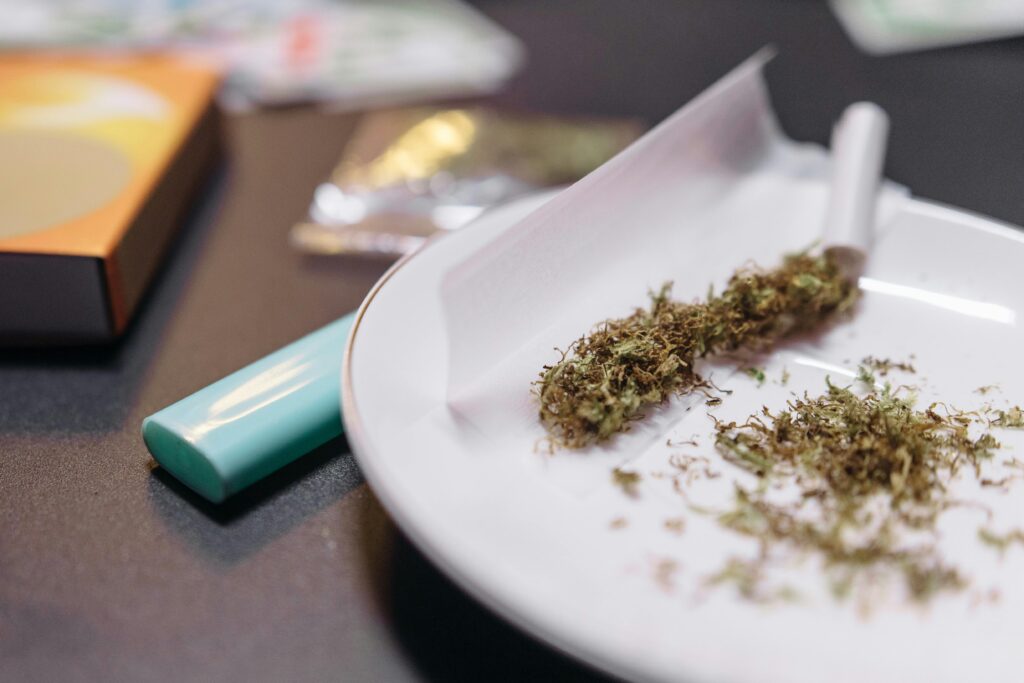
Shooting requires rolling papers, pipes, or water pipes. Most folks are still smoking out of glass pipes or cones. For vaping, the spectrum is wider: dab pens, wax pens, and dry herb vaporizers. These units typically feature spring-loaded mouthpieces, ceramic or metal screens, air holes, and mid-level batteries. One such component is a dry herb atomizer, which could consist of a drip tip, ceramic chamber, screen connector, and battery connector. Vaporizers warm weed at low temperatures, creating vapor, not smoke.
Vaping units allow the user to select between flowers and concentrates. Certain vaporizers have coil heads for wax or herbs and removable bases for simple cleaning. Quality matters: cheap devices can burn products or even be unsafe. Choosing a reliable name brand with solid safety features, such as auto shut-off or overheat protection, reduces dangers. In surveys, many young users dig vaping gear because it is portable and low-key.
Cost
Equipment Type | Initial Cost (USD) | Ongoing Cost (USD/month) |
Rolling Papers/Pipes | 2–20 | 10–30 |
Basic Vaporizers | 30–60 | 15–40 |
Advanced Vaporizers | 75–200 | 20–60 |
Vaporizers are more expensive initially. Smoking utensils, such as papers or pipes are less expensive to get going but require consistent replacement. Vaping can be cheaper over time if users purchase less cannabis because of increased efficiency. Wax and oil can be more expensive than flowers. Frequency of cannabis use keeps monthly expenses high, particularly for top-shelf concentrates.
The Social and Environmental Footprint
How they consume cannabis directly influences how society perceives them and their footprint on the world. Each in turn has its own habits and footprint influenced by age, culture, and evolving technology.
Checklist for Do’s and Don’ts:
- Please provide disposal bins for vape cartridges and batteries.
- DON’T toss old e-cigs or cartridges in regular garbage. They can leach chemicals.
- Do smoke or vape where it’s legal and accepted.
- Don’t smoke or vape in enclosed public spaces. This can damage air quality and irritate others.
- Do find out about e-waste recycling programs in your community.
- Please don’t share devices. It can spread germs or disease.
- Do respect local laws and social norms.
- Don’t litter cigarette butts. These rank among the world’s top litter items.
Social perceptions of cannabis use shift with the platform. Vaping has grown fast among young adults, who tend to view it as cleaner or less harmful than smoking. This perspective isn’t necessarily factual either. Vaping can induce harsh effects, like anxiety and paranoia, particularly for sporadic or infrequent users. Smoking is more stigmatized because of the smell and the flame, which can result in more public condemnation. How people judge vaping, or smoking, also depends on age, race, and other factors. For instance, Hispanic and Black adults vape non-nicotine/non-cannabis liquids at higher rates, while young adults under 35 vape cannabis or nicotine at higher rates than older adults.
Vaping can reduce litter, as it leaves no ash or butts. It creates its own waste issue. The batteries, cartridges, and pods require special disposal. When discarded in normal trash, these can leach heavy metals and chemicals, contributing to the increasing e-waste that damages the planet. Smoking is a huge source of litter, with cig and joint butts strewn across streets and harbors.
Culture factors into both approaches. In a few countries, pot-smoking is connected to ancient traditions or cliques, whereas vaping is young and hip. As vaping expands into unfamiliar territory, it generates new habits and social groups, frequently influenced by tech culture and youth trends. Cannabis use, in any capacity, remains regulated and influenced by perspectives that vary enormously worldwide.
A Personal Perspective on Choice
In the final analysis, choosing between vaping and smoking cannabis is usually a matter of style, personal history, and what just seems to fit one’s personality. Some vape for a cleaner taste or because it provides a more intense hit with less flower. Others remain with smoking because it is comfortable, convenient, and provides an immediate payout. Infrequent cannabis users might encounter tougher decisions. For instance, research reveals that vaping can evoke more intense sensations, with participants scoring the ‘high’ superior to when smoking, with scores of 77.5 versus 66.4. That means a little can potentially go a lot further when you vape, which is great for some, but can cause unwanted side effects like anxiety or paranoia, especially in inexperienced cannabis consumers.
Personal needs and health factors a lot. For the health-conscious or those in no-smoke zones, vaping might feel like a safer alternative. Vaping doesn’t make smoke or smell cling to clothes, so it satisfies needs for discretion or social ease. Yet, the stakes are not insignificant. Some experience harsher symptoms like vomiting or even hallucinations when vaping. Others may find that vaping makes it difficult to gauge how much is enough since the effects can peak within 10 to 15 minutes and render it dangerous to operate a car or do other strenuous work.
Lifestyle influences the decision as well. Folks who prize haste or need to sense the impact more quickly might score vaping. If you like the ceremony of roll and share, you might sway toward smoking. The equipment required for vaping or smoking can influence the decision, as vaping requires a device while smoking only requires papers or a pipe.
Experimentation is the best way because everyone’s tolerance levels and reactions differ. It’s important to begin cautiously and observe how the body and mind react, and to choose based on actual reality and true needs.
Conclusion
Vaping and smoking cannabis appear to be easy from the outside, but they portray two worlds. Vaping heats flower or oil, imparts a gentler flavor, and requires equipment activated by a button or swipe. Smoking employs fire, scorches the plant, and produces that distinctive aroma and a timeless vibe. What goes in your lungs varies with each method. Vaping retains more plant matter, whereas smoking introduces more smoke. Your implements and environment shift as well. Some want less smell, some want the old-school routes. Both have pros and cons. Choosing one is about evaluating what suits your day, your surroundings, and your well-being. Discuss your take below, or trade tips with others, and keep the conversation going.
Frequently Asked Questions
What is the main difference between vaping and smoking cannabis?
Vaping heats cannabis to extract active compounds without combusting it. Smoking combusts cannabis and emits smoke. Vaping could reduce exposure to toxic byproducts of smoke.
Is vaping cannabis safer than smoking?
Recent studies indicate that vaping can potentially introduce fewer dangerous chemicals than smoking. Both have health risks, and vaping’s long-term effects are still being researched.
Does vaping cannabis produce a stronger effect than smoking?
Vaping actually provides more cannabinoids per drag than smoking. This could translate to a faster or more potent effect, depending on the device and material.
What tools are needed for vaping versus smoking cannabis?
Vaping needs a vaporizer, which may be reusable or disposable. Smoking usually requires rolling papers, pipes, or water pipes. Each approach has its own setup and upkeep requirements.
How does the smell of vaping compare to smoking cannabis?
Vaping is generally less smelly than smoking. Vapor, on the other hand, immediately dissipates, whereas smoke hangs around and is more obvious.
Which method is more discreet, vaping or smoking cannabis?
Vaping tends to be more discreet. The devices are usually small, and the vapor does not smell as strong as smoke.
What is the environmental impact of vaping compared to smoking cannabis?
Vaping can generate e-waste from devices. Smoking generates ash and paper waste. They’re both awful for the environment. Vaping devices can be reused for a few years.