
Key Takeaways
- Peer pressure, advertising, and flavors are powerful motivations for vaping in teens. They cannot replace education as the frontline of defense.
- Selecting vape products based on education, not trends, limits your exposure to both health risks and predatory marketing.
- Inspecting ingredients, cross-referencing third-party lab reports, and evaluating hardware quality are the basics of vape product safety and reliability.
- Knowing the local and national laws, as well as doing research on brand reputation and certification, encourages safer and more responsible vaping.
- Decoding product information from labels to test reports is critical to finding quality vape products and steering clear of counterfeits or unregulated products.
- By educating and not following fads, it’s inspiring people around the world to vape for health, not hype.
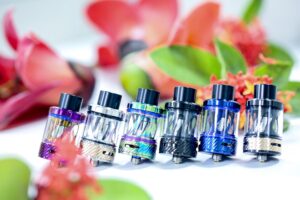
Selecting vape products with education, not trends, is selecting your vape products with data and transparency, not just what’s popular. Too many novices select hardware or e-liquids from social media or peers. This approach can have disastrous outcomes or hazards. Being informed about what’s in a vape, how it functions, and how it suits your needs matters tremendously when it comes to your health and expenses. There are a lot of devices with various features and levels of safety. To make the right choice, users require information on ingredients, battery life, and actual user reviews, not fluff. The following sections discuss what to look for and what to avoid so you can make informed, safe decisions.
Vaping Trends and Their Magnetic Pull
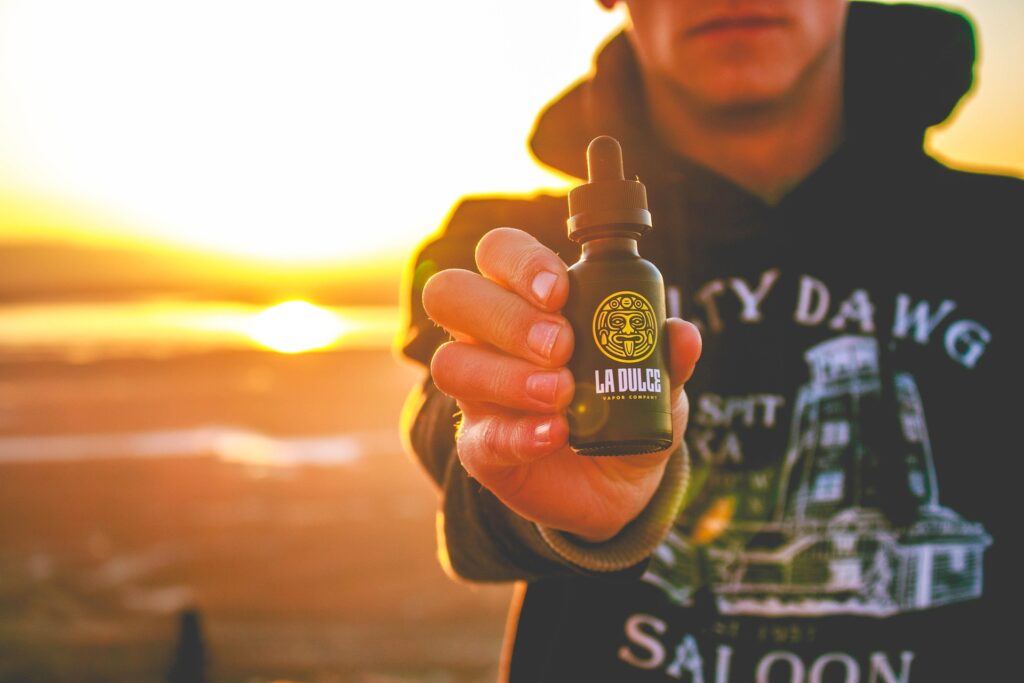
The appeal of vaping trends influences how consumers select vape products, particularly young adults. They are fueled by a lot of factors, including peer pressure, advertising, and flavors. These factors make it difficult for users to see the reality behind the buzz.
Social Influence
Peer groups have a major influence. We’re all influenced by what others think or do. Acceptance by peers can matter more than the products. Social events, such as parties or high school hangouts, can normalize vaping, leading larger and larger numbers of teens to want to participate.
Youth culture dictates which brands are cool. Certain vapes are just cool-looking. Teens and young adults might pick certain brands because they want to belong or feel special all at once. Social identity is associated with vaping preferences. Holding a particular vape in sight can brand you as a member of a clique.
The effect of peer groups is obvious. In 2023, 10% of high schoolers vaped, up year over year. Most of them never smoked. This demonstrates how strong peer influence can be.
Factor | Peer Pressure | Social Media | Celebrity Endorsement | |
Influence Level | High | High | Moderate | |
Visibility | Daily | Constant | Occasional | |
Mechanism | Direct | Indirect | Aspirational | |
Example | Group Vaping | Hashtag Trends | Influencer Posts |
Marketing Tactics
Vape firms are using targeted ads, candy-colored packs, and sponsorships to lure teens and young adults. They frequently employ colors and imagery that appear playful or innocuous. Social media ads, giveaways, and online challenges hook new users. Promotions, whether it is a discount or a special flavor for a limited time, work great on teens.
Strategy | Tactic | Effectiveness |
Visual Appeal | Bright Packaging | High |
Social Media | Influencer Marketing | Very High |
Promotions | Price Discounts | Moderate |
Events | Pop-up Booths | High |
Promos work. Disposable e-cigs account for roughly 58% of overall vape sales, compared to 26% in 2020. Many campaigns target never-smokers and new users.
Some of these strategies come close to targeting minors. This brings up ethical concerns. Some ads blur the line between excitement and danger, swamping the ability of kids to decide for themselves.
Flavor Appeal
Sweet, fruity, and candy flavors are the favorites by far among youth. These flavors make vaping appear less harmful and more attractive than combustible cigarettes. With so much variety, young users are easy to hook.
Flavors aid in tempting new customers to sample vaping, particularly those who are non-smokers. E-cigarette use has been on the rise among youth. In 2019, 27.5% of high school and 10.5% of middle school students said they’d vaped. A lot of them pointed to flavors as the driver.
There are health risks associated with flavored products. Certain flavorings can cause lung problems or allergic reactions. The increase in daily use of 26.3 percent and frequent use of 38.4 percent indicates the powerful attraction these products wield.
Nations are beginning to crack down on flavors. Some ban sweet flavors. Others mandate transparent labeling and health warnings.
Framework for Wise Vape Choices
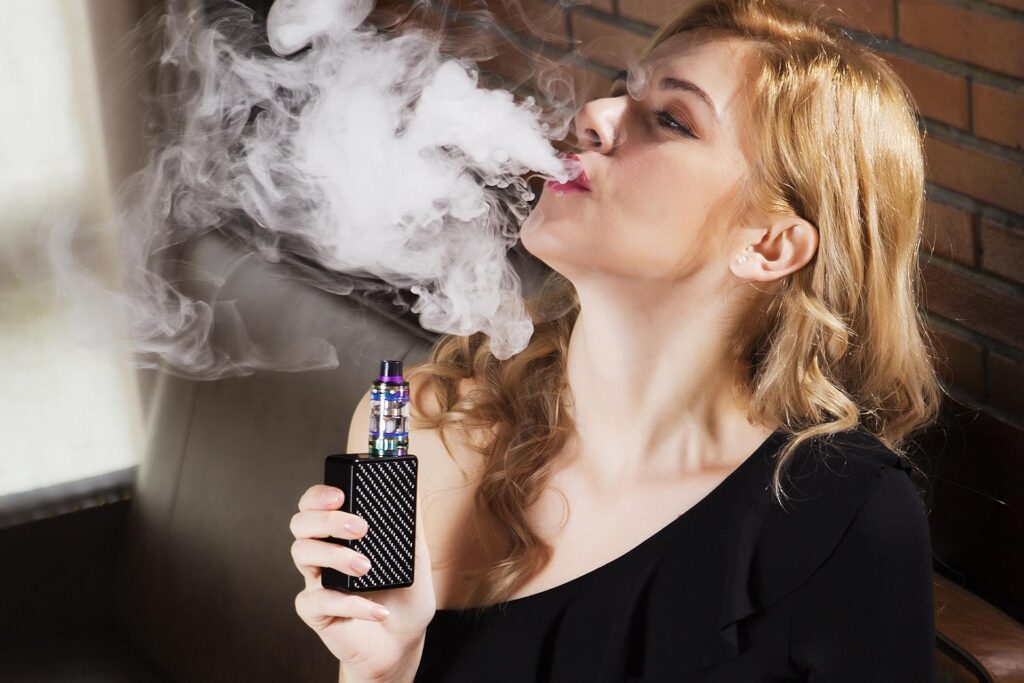
Selecting vape products with care requires an approach that prioritizes truth. Vaping is a trend to many, and making decisions based on that alone is dangerous. Just 62% of users are aware of the dangers, and lung injury cases are very real. Vaping is not always safer than tobacco; 54% think it is not, and 46% say it is. A smart decision begins with honest information, not buzz.
Scrutinize Ingredients
Check the label. Each bottle or pod specifies its contents. Look for nicotine; the variety is wide, and low-nicotine options aren’t risk-free. Certain products have additives and flavorings that could damage lungs, especially when heated and inhaled. Most of the lung injury cases have been associated with either unknown or unlisted ingredients. Make a short list: Are all ingredients named? Additives or sweeteners? Is the nicotine content transparent? If not, explore alternatives.
Verify Lab Results
Request lab reports. Trusted brands display results from third-party labs, which check for toxins, metals, and contaminants. Reports should be easy to read: look for a summary of what was tested and if any harmful substances were found. While a few brands publish these results on their sites, always verify the date and lab name. By sharing lab results, we help the community learn what’s safe and encourage brands to be transparent.
Assess Hardware Quality
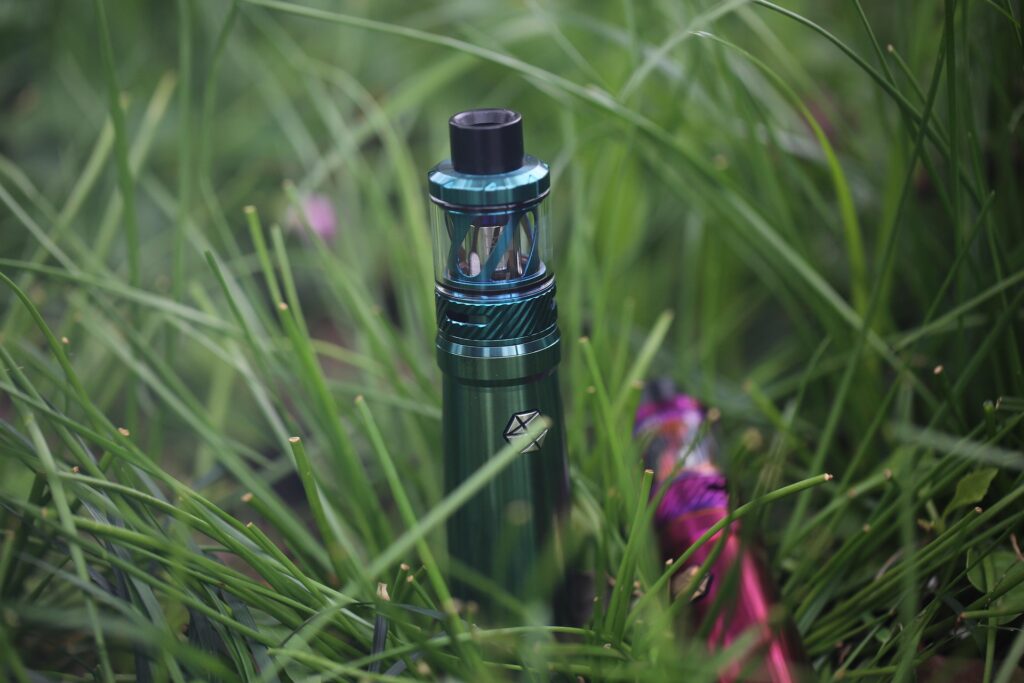
Great hardware matters. Bad devices can overheat, leak, or even catch fire. Always look for safety features such as auto-shutoff, overcharge protection, and battery venting. Check user reviews to find out if devices break, overheat or have battery issues. Good brands pay for good components and transparent safety guidelines. This safeguards novices as well as veterans.
Understand Regulations
Know the rules. Vaping laws vary by country and by city. While most locations prohibit sales to those under 21, 42% of survey participants say it’s still convenient to obtain. They do want more rules to protect young adults, but only 23% think the government does enough. Learn about local bans, age restrictions, and permitted places. Scoop the facts, so we can all shop and vape smart.
Research Brand History
Brands count. A company’s history tells you a lot about where it’s going. See if the brand has had recalls or safety warnings. Responsible companies are going to react to issues and notify consumers. Some brands encourage responsible use, while others make flashy ads on social media, where 84% see vape content on Snapchat. Discuss with friends which brands are transparent and secure. That builds a smarter, safer community.
Decoding Product Information
Decoding vape product information involves deconstructing labels, technical specs, and test information to gain clearer insight into what you’re purchasing and consuming. This enables safer, more informed choices and sidesteps the dangers of craze culture. Product info is typically in text, imagery, and sometimes video,o and can be analyzed via survey research or even neural decoding using EEG or fMRI to uncover how consumers respond to products and why decisions are made. Online parsing software like Psychtoolbox simplifies this and makes sense of fMRI or questionnaire data, assisting consumers and scientists to see what draws or turns off prospective purchasers.
Reading Labels
Ingredient lists on vape products show exactly what goes into each device or refill, giving transparency that is key for health and safety. Nicotine content, measured in milligrams per milliliter, should be clearly stated along with any warning signs about age restrictions or health risks. For example, labels that lack clear nicotine values or omit the full list of ingredients make it hard to judge the product’s safety. When labels are clear and easy to understand, users can compare products side by side and make choices that fit their needs and risk tolerance.
Common vape label terms:
- Propylene glycol (PG): base liquid, creates throat hit
- Vegetable glycerin (VG): base liquid, creates vapor
- Nicotine: stimulant, addictive substance, stated in mg/ml
- Flavorings: food-grade additives, often proprietary
- Batch number: helps trace production and recalls
Finding Test Reports
Out of all the product information, independent test reports are the most important for verifying product claims. Any good food information should come from reputable sources such as government health organizations, independent labs, or consumer organizations. Trusted results describe its chemical composition, any contaminants, and compliance with safety regulations. Other studies employ neural decoding using EEG and fMRI to measure how youth react to product images. These studies show patterns associated with motivation and risk. Disseminating discoveries from these papers within vape forums aids in diffusing knowledge and cultivating prudent behaviors.
Identifying Certifications
Certifications from trusted organizations indicate a vape product adheres to safety or quality requirements. Know what the symbols from organizations such as ISO or CE mark on packaging mean. These certifications build confidence, demonstrating that the item has been subjected to specific tests. Check for authenticity; fake marks are not unheard of.
Recognized certifications include:
- ISO: International Organization for Standardization
- CE: Conformité Européenne (European safety standard)
- RoHS: Restriction of Hazardous Substances
- UL: Underwriters Laboratories
Choosing Cannabis Vapes
Cannabis vapes are all the rage among young adults and even teenagers. Their ascent is linked to technological innovation, expanding legal access, and social perceptions of cannabis. People pick vapes for many reasons: some want to avoid smoke, others look for certain effects, and some are just curious about flavors. There are vape products available with varying cannabinoid contents, potencies, and extraction techniques. Knowing these details can put you in a position to choose based on what you like, not just what’s hot.
Cannabinoid Profiles
Cannabis vapes can have various cannabinoids, such as THC and CBD. THC is psychoactive, and CBD is commonly selected for its soothing, non-intoxicating qualities. Some vapes are THC-rich, some are CBD-rich, and many provide blends or ratios. These ratios are important. More THC in a vape means a stronger high, and more CBD will lead to a lighter, clearer-headed effect. Potency is important, too. They come in different strengths (mgs/ml), which influences how potent or long the effects feel.
Choosing Cannabis Vapes for Your Needs
The key is picking based on your own needs. Some desire hard-hitting hits, others want a light touch. See what profiles resonate for you.
Terpene Importance
Terpenes are compounds in cannabis that contribute to flavor, aroma, and even impact. They can make a vape taste fruity, earthy, or piney, but they do more than flavor. For example, myrcene might make you want to knock out for a few hours, while limonene might give you a lift. Some terpene-rich vapes offer potential health advantages. Terpene profiles can alter how THC and CBD feel, either heightening or mellowing their effects. By looking at the terpene content on product labels, you’ll be able to cherry-pick something that suits your taste and needs.
Extraction Methods
Various methods of extracting cannabinoids from the plant influence the end vape product. CO2 extraction is clean and retains more plant compounds. Ethanol extraction is common, but can leave residuals if not performed properly. Hydrocarbon extraction may capture more flavors, but if it’s not purged properly, it has risks. Those means can alter standards and security. By questioning the brands on how they produce their vapes, you’ll have more control over what you’re putting into your body! Not all of them are created equal, and understanding the process can help you steer clear of additives and impurities.
Vaping: What You Might Overlook
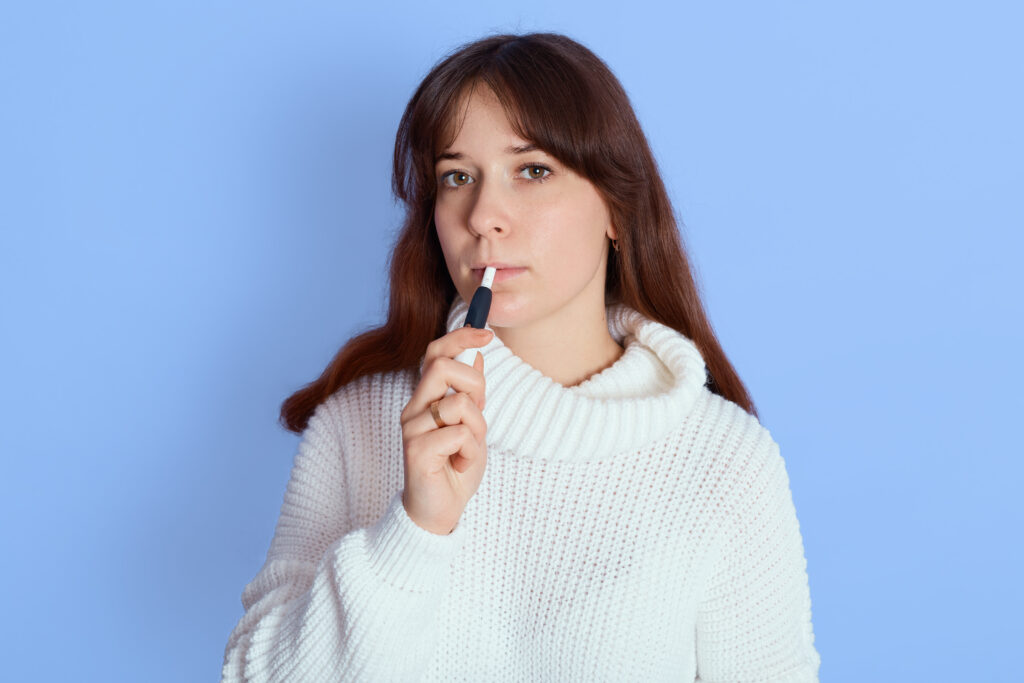
Vaping is rampant, particularly with kids, and the risks aren’t always visible. Vaping-related health effects extend beyond nicotine and encompass chemical exposure that could result in respiratory symptoms. The thought that occasional vaping is harmless lingers, and studies reveal that even short-term exposure can cause damage. Nicotine addiction develops fast, and stunted brain growth is a very real hazard for youth users. Vaping has been associated with an increased likelihood of a positive COVID-19 diagnosis. Media trends make things even worse; tobacco depictions in youth-rated shows almost doubled in only one year, and exposure is a predictor of behavior. With vaping being the primary way youth use tobacco, that initial moment is frequently a vape.
Manufacturing Shortcuts
Shortcuts in the manufacturing of vape hardware and liquids can endanger users. Certain manufacturers employ cheap metals or plastics to reduce costs, resulting in contamination or hazardous heating components. When heating elements fail, users can inhale harmful byproducts. Bad quality control implies that certain devices are likely to have leaky cartridges or uneven doses, both of which pose health risks. Brands with good safety records will test for toxins and adhere to definitive quality standards. By reviewing certifications and trusted reports, consumers are empowered to select better products.
Counterfeit Products
Counterfeit vape products are everywhere in many markets. They typically appear nearly authentic but employ flimsy wrapping, bizarre typography, or typos. Counterfeits may have hidden chemicals or more nicotine than labeled, which increases the safety risk. Purchasing through unofficial sellers, particularly via the internet, implies you have no means to verify the contents. Being mindful of these risks can help prevent poor results.
- Buy only from licensed or well-known shops.
- Seek out items with obvious batch numbers and sealed wrappers.
- Check for security labels or holograms.
- Confirm brands through their official websites.
Long-Term Unknowns
There remain a lot of things we don’t know about vaping over years or decades. Most of the studies are brief, and the long-term results might not appear for some time. The chemical cocktail of vape juice shifts frequently, which makes risks more difficult to track. Continued research and open discussions of new discoveries are important. It makes it simpler for consumers to stay current with evolving risks and find out about new ones as they are released.
Cultivating Critical Thinking
Critical thinking allows you to take a step back and examine vaping for what it is, rather than just going with the flow. This skill is most important for younger people because just about everything they experience — and hear from their peers — promotes vaping as being typical. Research finds that when teens pause and fact-check, they’re less likely to initiate vaping altogether. It’s not just about refusing; it’s about questioning, ‘Why should I try this?’ and ‘What do I really know?’ That is, examining it all — from vape ads to what friends say to what’s trending online — and making their own decision. More than a fad, vaping is a decision that requires actual consideration.
Peer groups influence much of what teens experiment with. Studies say 81% of teens who experimented with vaping did it after seeing a friend do it. When all your friends are doing it, how do you say no? When folks discuss vaping candidly—exchanging concerns and information rather than anecdotes—it disrupts the echo chamber of mimicry. When the pack begins to question, “Is this truly safe?” or “What’s with everyone doing this?” it can assist you to stop and reconsider before hopping on. Parents and family too. If someone at home vapes, the likelihood that a teen will as well increases. Open conversations at home about why people vape, what the dangers are, and what the research shows can assist kids in being more intelligent consumers.
Ads and social media portray vaping as cool, enjoyable, and soft. Among teens in the US, 28% saw vape ads online, compared to 17% in Canada and 21% in England. Exposing them to these ads makes them more likely to attempt vaping, even if they’re aware of the risks. Critical thinking is asking, ‘Who created this ad?’ and ‘What do they want me to do?’ It means being authentic about why some people vape. Others argue that it ‘gets rid of the stress’ or the ‘blues,’ but it can just as easily ignite a nicotine addiction that’s difficult to escape. Curricula that educate these skills — questioning, peer communication, and independence in thought — have been proven to assist teens in rejecting vaping.
Conclusion
For intelligent vape picks, education beats buzz any day. Trends are fleeting, but knowledge is enduring. Clear labels, transparent test results and information about the maker help you identify what’s authentic and safe. Learning about ingredients, sources, and laws keeps you sharp. Risk lurks where people overlook the fundamentals or follow the herd. Rely on your own verification, not blaring marketing or catch phrases. Ask questions. Seek evidence, not marketing. Each step advances your knowledge so you call the shots. Pass what you discover and assist others in identifying the true tale. Have more questions or want to geek out on a topic? Leave a comment or watch new posts for more straight-shooting guides.
Frequently Asked Questions
Why should I avoid following vaping trends blindly?
Trends are about what’s hot, not what’s safe or good. Smart decisions grounded in education, not fads, keep you safe and help you pick dependable vape products.
How do I evaluate the quality of a vape product?
Look for third-party lab results, transparent ingredient lists, and trusted brands. Trustworthy vendors always have educational safety and ingredient information available.
What should I consider when choosing a cannabis vape?
Seek out legality, lab-tested purity, and correct labeling. Don’t mess around with vape products with sketchy ingredients.
Are trendy vape products always safe to use?
No, because trendy products might not be well tested or well documented. Always check for product safety and quality before use, no matter how popular it is.
What are the unseen risks of vaping?
Unregulated products can harbor nasty chemicals or contaminants. The absence of quality control raises the possibility of negative health consequences.
How can I develop critical thinking when choosing vape products?
Learn about product ingredients, find unbiased reviews, and be skeptical of marketing. Smart picking is based on education, not hype.
Why does education matter more than trends when buying vape products?
Education enables you to select quality, safe products. Trends do not care about your health or safety, but education does.