
Terpenes have a key role in concentrated cannabis, shaping the scent, taste, and user experience of every single product. They are natural chemicals found in cannabis that deliver each strain its own scent and can influence a user’s high. In concentrated forms, terpenes can vary depending on production and storage methods, potentially altering the final product’s taste and impact. Certain concentrates preserve more terpenes to maintain the strain’s profile, whereas others lose some in processing. Understanding how terpenes work allows consumers to select products that fit their preferences and requirements. My main body will explain more about how terpenes work in various types of concentrates, along with tips for consumers and manufacturers.
Table of Contents
ToggleKey Takeaways
- Terpenes are key aromatic compounds in cannabis that define the distinctive tastes, scents, and effects of concentrated cannabis products. They have a direct impact on user experience and product distinction.
- Protecting these terpenes and extracting them carefully is important because heat, oxygen, and light will damage the quality and potency of the concentrate.
- Terpene profiles provide key information for medical and recreational users alike, aiding in customizing cannabis effects, improving therapeutic potential, and personalizing experiences through custom terpene formulas.
- Cutting-edge techniques such as gas chromatography and mass spectrometry prove invaluable in terpene identification. They underpin quality control, trustworthy labeling, and consistent consumer experiences.
- Driven by terpene-rich market demand, selective cannabis breeding and advanced extraction techniques are driving terpene-rich strains and products.
- Empowered consumers and industry insiders can use terpene insights to guide purchasing decisions, prioritize quality, and fuel the continued evolution of the worldwide cannabis industry.
What Are Terpenes?
Terpenes are an expansive group of organic compounds present in most plants. They really shine in cannabis, where there are over a hundred varieties. Every terpene has its own smell,l and together they share the task of making every cannabis strain smell and taste unique. For instance, limonene imparts a distinct citrus aroma, whereas linalool provides a floral, lavender-like scent. These aromas are more than olfactory. They assist in defining the complete plant experience and can even lead consumers to select products that align with their individual preferences.
How terpenes interact with other components of cannabis is crucial. Terpenes and cannabinoids like THC or CBD do not work in isolation. When combined, they can modify the impact and sensation of a product, a principle frequently referred to as the “entourage effect.” This is why a product with equal THC but a different terpene profile can provide a different result. For instance, two strains with the same amount of THC can make you feel relaxed or energized, ed depending on their blend of terpenes. That is one reason why lab-tested cannabis products now list terpene profiles. It enables folks to make more informed decisions about what they consume.
Medicinal benefits of terpenes have attracted interest. Certain terpenes, such as limonene, have been researched for potential anticancer properties. Linalool provides a soothing effect, comparable to lavender oil for stress. Other terpenes might assist with pain, mood, or inflammation. The table below lists some common terpenes, along with their potential medical properties.
Terpene | Aroma/Source | Potential Effects |
Limonene | Citrus fruits | Anticancer, mood boost |
Linalool | Lavender | Calming, stress relief |
Pinene | Pine needles | Alertness, anti-inflammatory |
Myrcene | Mango, hops | Sedative, muscle relaxant |
Caryophyllene | Black pepper | Anti-inflammatory, pain relief |
Humulene | Hops | Appetite suppressant, anti-bacterial |
In other words, terpenes don’t just make smells. They’re an essential reason why each cannabis product is different. For anyone venturing into cannabis, understanding the terpene profile is a savvy step in discovering what is right for you.
How Terpenes Influence Concentrates
Terpenes are fragrant oils that exist in cannabis and numerous other plants. In concentrates, terpenes define the flavor, aroma, and effect, introducing a new dimension to the cannabis experience. They impact flavor and aroma and impact the ways concentrates engage the body and mind.
- Terpenes boost the tastes with citrus, pine, spice, or floral accents.
- They heighten aroma, making products more distinctive
- Terpenes work in tandem with cannabinoids to fine-tune effects and sensations.
- They provide anti-inflammatory, analgesic, or mood-elevating benefits
- Terpenes allow for product personalization, both recreationally and medicinally.
Flavor Profile
Terpenes determine the taste of cannabis concentrates. Limonene provides a fresh zing of citrus and an earthy, musky taste in myrcene. Pinene adds a pine-like freshness. What makes a concentrate taste as it tastes is not something to do with THC or the CBD content, but the blend of terpenes in it. For instance, one with a high level of linalool can be lavender-sweet, perhaps perfect in edibles or tinctures. Consumers tend to go in on these flavor cues, looking for profiles that suit their preference or mood. In edibles, these terpene-powered flavors can transform a mundane dose into a delicious experience.
Aroma Nuance
Terpenes add nuances of fragrance that make each concentrate unique. Alpha-pinene and beta-caryophyllene bring spice, wood, or herbal notes, which can evoke certain emotions or memories. Scent is more than a side effect. It forms your experience of satisfaction and expectation. These unique aromas allow consumers to distinguish between products quickly in an oversaturated marketplace. Other terpenes, such as limonene, are capable of mood lift simply by their aroma.
Modulating Effects
Terpenes alter cannabinoid activity. Limonene and pinene aid concentration and drive, which is why they’re ideal for use during the day. Myrcene assists users in relaxation. Some terpenes can potentially mitigate side effects from THC, like anxiety. These interactions, dubbed the entourage effect, enable more customized experiences. Understanding which terpenes do what aids both novice and seasoned consumers in making informed decisions.
Experience Customization
Terpenes allow consumers to define their own cannabis experience. By selecting concentrates with specific terpene profiles, consumers can seek out medicinal, calming, or invigorating effects. Medical consumers can select products rich in anti-inflammatory or sedative terpenes. Recreational users may seek taste or effects to complement the day’s agenda. This personalizes and refines the cannabis experience.
Entourage Synergy
The entourage effect means terpenes and cannabinoids unite for a stronger effect. Concentrates with balanced terpene and cannabinoid profiles generally provide profound, practical effects. For makers, this synergy knowledge can assist in crafting star concentrates. A well-matched profile can translate into improved relief, flavor, and consumer satisfaction.
Extraction’s Critical Role
Extraction determines the fate of terpenes in the cannabis concentrate. Extraction is critical, and extraction choices, including methods, temperatures, time, and storage, directly influence the product’s aroma, flavor, and effects. Smart extraction preserves the entire range of cannabinoids and terpenes, aiding the entourage effect and delighting consumers everywhere.
Preservation
Preserving terpenes requires special care. How do you extract counts? Solvent-based options such as ethanol or hydrocarbons extract more terpenes, but only if time and heat are controlled. Solventless extraction methods, such as rosin pressing, use pressure and gentle heat to prevent volatilizing terpenes. Common cannabis terpene boiling points range from 156°C to 198°C, so staying below minimizes loss. By employing inert gases like nitrogen, extraction protects terpenes by disallowing air exposure. This limits oxidation and maintains the stability of the compounds. In the checklist for best practices, choose a method that matches the target terpene, use low heat, limit exposure to air, and store in sealed dark containers. When extracted correctly, the concentrate preserves the plant’s complete aroma and flavor profile, which is essential for both wellness and sensory experience.
Degradation
Terpenes degrade if extraction or storage is not properly managed. Heat, light, and air exposure are the primary culprits. When terpenes break down, the product loses aroma, flavor, and certain medicinal properties. Badly sealed jars or transparent packaging allow light and air in, accelerating this process. Even after extraction, keeping concentrates cool, dark, and airtight minimizes loss. The key is proper extraction because incorrect handling can strip away a lot of the plant’s personality. Understanding the culprits of degradation allows producers to maintain their products’ potency and taste, a priority for savvy consumers.
Reintroduction
- Extract terpenes separately using gentle techniques.
- Store terpenes in airtight, dark containers.
- Recombine terpenes with the concentrate at the very end.
- Mix well to ensure even distribution.
Adding terpenes back does just that — it boosts the flavor and aroma, helping match the original plant profile. This step is crucial for products such as vape oils or edibles, where extraction itself will not retain all terpenes. The consumer experiences a tastier flavor and a more robust impact because the entourage effect is about more than THC or CBD alone. Reintroduction allows brands to create full-spectrum concentrates, prized for a nuanced and true-to-life experience.
The Connoisseur’s Metric
Terpenes, the aromatic compounds found in cannabis, are now central to how connoisseurs judge quality and effect. The “connoisseur’s metric,” or terpene profile, has become a more nuanced measure than just THC level. Terpenes shape aroma, flavor, and perceived effects, giving a richer context for evaluating cannabis. As research grows, so does the appreciation for how terpenes work together with cannabinoids to create the full plant experience.
Beyond Potency
Potency, or THC percentage, once ruled the discourse. It doesn’t quite account for why two strains with the same THC figure feel so different. Terpenes offer this absent context. They sculpt the terpene profile, making each strain smell and taste distinct, like limonene’s citrus aroma or pinene’s piney bite. These attributes are important to a lot of consumers, who desire more than just potency. They seek taste and aroma that align with their sentiment or event. For instance, I may opt for a limonene-heavy strain for its uplifting, citrusy scent and mood-brightening effect, while you prefer myrcene-rich strains for a mellow evening. As vape oils and concentrates emphasizing terpene content increase in popularity, the industry is trending toward products that emphasize these more subtle qualities over sheer potency.
Quality Indicator
A balanced terpene profile can indicate a prize. Connoisseurs examine these profiles, looking for nuance and balance, often consulting lab reports to verify the presence and balance of important terpenes such as caryophyllene, linalool, and myrcene. A robust terpene profile indicates thoughtful farming and harvesting. For purchasers, terpene profiling assists in informing decisions, allowing them to anticipate both impact and pleasure. The terpene-cannabinoid synergy, the famed entourage effect, has become understood. Scientific trials, like a 2024 study demonstrating how D-limonene reduced THC-induced anxiety, support these claims and support the notion that terpenes can configure or even buffer the psychoactivity of THC. This directs customers to educated, quality-motivated choices.
Personal Preference
Personal taste is a big part of the terpene equation. Others crave the high-myrcene strains for their deeply soothing properties, perfect for sleep. Some desire limonene-heavy choices for daytime and tension-busting uses. Every individual’s reaction is different, tempered by biology and experience. Exploring the terpene profiles enables consumers to see what ‘hits’ best. Education is crucial. Knowing that indica/sativa labels are frequently deceptive and learning to interpret terpene reports makes users more equipped to select options that suit their requirements and lifestyles.
Terpene Analysis Methods
Terpene analysis is key to concentrated cannabis. There are several laboratory methods to analyze terpenes, which are volatile compounds that consist of isoprene units. Common terpenes in cannabis, such as beta-myrcene, limonene, and beta-caryophyllene,e play a significant role in the plant’s aroma and effects. Terpene testing is important for product labeling and making sure users are well informed about what they are ingesting. It facilitates quality control since terpene levels can vary from batch to batch. Accurate and dependable terpene analysis depends on your method, with certain processes being more sophisticated than others. Technological innovations, particularly with chromatography and spectrometry, have made terpene analysis easier and more thorough.
- Gas chromatography (GC)
- Mass spectrometry (MS)
- Combined GC-MS
- Headspace analysis
- Solvent extraction (e.g., using olive oil)
Gas Chromatography
Gas chromatography is a staple of terpene analysis. It separates terpenes by how they migrate through a column when heated. Each terpene vaporizes at a different point, so they can be detected individually. GC is prized for its sensitivity and the fact that it can be applied to analyze complex mixtures, such as cannabis, which contains up to 200 terpenes, primarily of the monoterpene and sesquiterpene classes.
One of GC’s biggest strengths is its accuracy in terpene quantification. This enables them to maintain consistency in their product and allows for proper labeling. GC can overlook certain compounds, mostly those that transform or degrade at high temperatures. This means that non-volatile or heat-sensitive terpenes might not be detected.
GC is important for quality control. Laboratories can compare terpene fingerprints to confirm that each batch conforms to the intended profile, minimizing batch-to-batch variability and substantiating therapeutic claims.
Mass Spectrometry
Mass spectrometry often couples with gas chromatography as GC-MS to form a powerful tool for terpene analysis. MS operates by fragmenting molecules and measuring their mass, which exposes the distinctive structure of each terpene.
The big advantage of MS is its capacity to detect and identify trace levels of complex terpenes. This matters because a few of these rare terpenes, despite their trace-level presence, can impact a strain’s effects. Mass spectrometry takes our cannabis chemistry knowledge even further, mapping out terpene biosynthesis pathways. It shows how terpenes form from isoprene units and make closed rings with different modifications.
MS is advancing cannabis research as well. It helps build extensive terpene databases, allowing researchers to connect terpene profiles with strain effects. Using something like olive oil during extraction can avoid loss of volatile terpenes and improve accuracy even more.
Future Of Terpenes
Terpenes are the future of cannabis research and product design. Their fundamental functions in smell, flavor, and potential medicinal properties have turned them into a point of interest for breeders, researchers, and consumers. The table below summarizes breakthroughs in terpene science and their increasing influence on the cannabis sector.
Research Area | Implications for Cannabis Concentrates |
Behavioral studies | Shows terpenes can mimic cannabinoid effects |
Therapeutic benefit research | Points to pain relief, stress reduction, and anticancer uses |
Entourage effect exploration | Suggests synergy with cannabinoids for tailored experiences |
Extraction technology | Leads to better terpene preservation and product quality |
Product formulation | Enables targeted effects based on terpene profiles |
Selective Breeding
Through selective breeding, growers are now able to increase terpenes in cannabis. By selecting parent plants with pungent terpene profiles, breeders can breed new strains that are even more aromatic and flavorful. It’s not about flavor or aroma either — this process unlocks the potential for strains with targeted medicinal properties. For instance, some breeders are now targeting high linalool for stress relief or limonene for potential anticancer properties.
Genetic diversity is crucial for these developments. A broader gene pool provides more variety, enabling the development of unique terpene combinations. Breeders will be able to specialize in rare or custom combinations of terpenes, producing cannabis with new and unique qualities. This work continues for both medical and recreational purposes.
Advanced Extraction
New extraction methods help keep terpenes intact, which is important because heat and solvents can degrade them. Solventless methods, such as rosin pressing or ice water extraction, are increasing in popularity as they preserve these fragile molecules better. In other words, better quality extracts provide deeper tastes and sensations.
Breakthrough extraction is about flavor. It aids in creating more consistent and stronger products. As tech progresses, anticipate even more efficient methods to preserve terpenes from harvest to consumption, providing users with more consistent and potent alternatives.
Product Formulation
Understanding what terpenes do can guide the making of better products. Brands now formulate oils, edibles, and topicals based on terpene profiles for targeted effects such as calm, energy, and pain relief. For instance, infusing linalool for a calming product or pinene for concentration. The role of terpenes extends to new products such as vape pens and wellness products.
Consumer education is important. Most don’t know why they’re added or how they interact with THC and CBD. Greater awareness might fuel demand for terpene-forward choices, making the marketplace further segmented.
Conclusion
Terpenes define the true taste, aroma, and sensation of concentrates. These tiny fragments lend every batch that exclusive stamp, from initial sniff to final stroke. Premium extraction isn’t about extracting THC or CBD; it’s about preserving the real scent and flavor. Now labs can test terpenes with sophisticated instruments, so producers know what they provide. Fans use these checks to select what suits their lifestyle, not just what sounds good on paper. As more people crave full flavor and rich effects, terpenes lead the next wave in cannabis. To stay in the loop, consider reading terpene reports or shops and inquiring about their premium selections. Discover your style, and share your inspiration with your circle.
Frequently Asked Questions
1. What Are Terpenes In Cannabis Concentrates?
Terpenes are the natural compounds that exist in cannabis and provide each strain with its distinctive smell and flavor. In conclusion, they define aroma, flavor, and potentially the experience.
2. How Do Terpenes Influence The Effects Of Cannabis Concentrates?
Terpenes can interact with cannabinoids to enhance or alter effects. They can lead to feelings such as relaxation or alertness, depending on which terpenes are involved.
3. Why Is Terpene Preservation Important During Extraction?
Conserving terpenes at extraction maintains the initial scent and taste. It helps preserve the desired concentrate effects, providing a more true-to-cannabis experience.
4. How Can You Measure Terpene Levels In Concentrates?
Specialized lab tests, such as gas chromatography, can determine and quantify terpene profiles in concentrates.
5. Do All Cannabis Concentrates Contain The Same Terpenes?
No, various concentrates may have different terpene profiles. Strain, extraction method, and processing all affect which terpenes and what amounts.
6. Can Terpenes Degrade Over Time In Concentrates?
Yes, heat, light, and oxygen can degrade terpenes. Whenever you can, proper storage helps keep terpene content and quality intact longer.
7. What Is The Future Of Terpenes In Cannabis Concentrates?
Research is progressing on how to preserve and tailor terpene profiles. We may see more personalized experiences and products based on terpene blends emerging in the future.
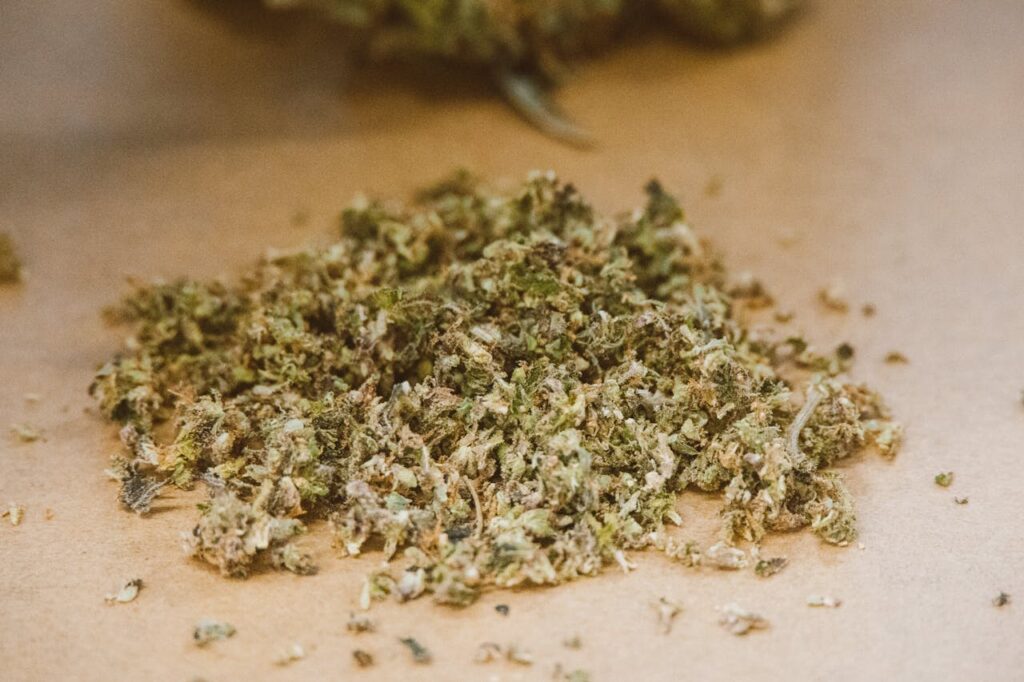
Choose Concentrates And Advanced Cannabis Products With Confidence At A Therapeutic Alternative
Sometimes you’re looking for a more refined experience. Something more potent, more precise, and tailored to how you want to feel. That’s where concentrated and advanced cannabis products stand out. A small amount goes a long way, giving you the ability to fine-tune your experience with control and consistency.
But stepping into this category can feel overwhelming at first. Live resin or live rosin? Shatter, wax, or sauce? High THC or a more balanced cannabinoid profile? Then there’s terpene content, extraction method, and overall product quality, all of which shape how it looks, smells, and feels. Those details matter more than most people realize.
At A Therapeutic Alternative, we simplify the process. Our team takes the time to explain the differences, answer your questions, and guide you toward products that match your experience level and goals. No pressure, no confusion, just clear, honest guidance from people who truly know these products.
Stop by and talk with us, or browse our selection of concentrates and advanced cannabis products at your own pace. When you’re ready, we’ll help you choose something that feels right from the very first use.