
Key Takeaways
- Understanding the differences between THC and CBD and how they interact with the endocannabinoid system is essential for making informed choices about vape products and their potential effects on wellness.
- How the ratio of THC to CBD in a product influences both the psychoactive experience and therapeutic potential. This emphasizes the importance of choosing products that match your health objectives.
- Balanced ratios of cannabinoids can provide additional benefits through the entourage effect. Users should still carefully experiment to find the best ratio combo for them while watching for side effects.
- Transparent formulation, trusted extraction, and rigorous third-party lab testing are critical to quality and safety in vape products. They ensure purity, potency, and contaminant-free products.
- Newbies need to take a low-dose first approach and work their way up, measuring their reaction to various ratios to reduce risk and find the most effective profile for their needs.
- Safe, legal use of cannabinoid vape products, along with self-awareness and continued education, enables users to calibrate their experience safely and effectively across the globe.
THC, CBD, and ratio vape products are the main kinds of cannabis vaporizers with varying blends of active ingredients. THC is short for tetrahydrocannabinol, the leading role in cannabis that provides the high. CBD, or cannabidiol, doesn’t get you high and is frequently used for its soothing sensation. Ratio vape products list the percent or share of THC and CBD in each blend, such as 1 to 1 or 2 to 1. All three types can result in varying effects, from intense mind effects to subtle relief of pain or anxiety. To assist readers in navigating their options, the upcoming sections will detail the effects, mechanisms, and considerations of each type.
The Balance Between THC and CBD
THC and CBD are the primary cannabinoids in cannabis. THC is the psychoactive component, and CBD is non-psychoactive and used for its therapeutic potential. Both bind to our endocannabinoid system, which impacts mood, appetite, and pain. Users and patients experiment with these cannabinoids in varying ratios for different effects, balancing the mind-altering sensations with medicinal benefits.
THC Effects
THC causes the euphoric ‘high’ associated with cannabis. It’s known for inducing euphoria, altered perceptions, and sometimes a creative high or ravenous appetite. These feelings can be very different from one person to the next, depending on dose and individual tolerance. Others observe that THC helps them think ‘outside the box’ or spark new ideas, which is why it’s occasionally favored by those in creative professions.
Side effects are frequent. Elevated heart rate, dry mouth, and sometimes anxiety or paranoia tend to show up, particularly at larger doses. Controlling the THC dosage is crucial because excess can induce anxiety and, in extreme instances, psychosis.
THC-centric items can induce sleep, but studies indicate a correlation between THC-rich, CBD-deficient strains and a higher psychosis risk.
CBD Effects
CBD is best known for its soothing and anti-anxiety properties. A lot of CBD comes in because folks are looking for assistance with stress, sleep, or pain, and research has demonstrated its ability to reduce inflammation and alleviate chronic discomfort.
Unlike THC, CBD doesn’t get you ‘high’, making it accessible for those seeking relief without the psychoactive effects. This characteristic enables CBD to be utilized by a diverse range of consumers, from those sensitive to THC or with medicinal requirements.
CBD can even mitigate some of THC’s undesirable effects, such as paranoia or restlessness. For conditions like epilepsy, anxiety, or ALS, higher CBD ratios, such as twenty to one, are preferred, and some find pure CBD with zero THC most effective.
The Interaction
The entourage effect explains how THC and CBD act in concert, resulting in different effects than when either is used individually. For example, a one-to-one ratio often provides mild euphoria balanced by calm, supporting steady productivity. Ratios like four-to-one or twenty-to-one CBD to THC reduce psychoactive effects but support focus, pain relief, or anxiety management.
Terpenes, the fragrant compounds in cannabis, continue to define the experience. They interface with cannabinoids to dial effects, like boosting relaxation or alertness.
Everyone reacts uniquely to every ratio and blend. Some require only CBD, while others need a mix of the two. The best bet usually arises from trial and error, and where you’re aiming to go.
Why THC and CBD Ratios Matter
THC and CBD are two of the most studied compounds in cannabis. It’s not just their quantities that determine their effects, but the ratio of one to the other. These ratios define the mode of a vape product for health, wellness, or recreational use. Knowing this can assist users in customizing their experience, handling adverse effects, and resonating with their objectives.
The Synergy
THC and CBD are more than a dynamic duo; they have the potential to amplify each other’s benefits. Together, they can produce a synergy called the “entourage effect.” This phenomenon causes the impact of each compound to shift depending on the presence of the other. For example, a 1 to 1 THC to CBD ratio often leads to a balanced experience. CBD can soften the psychoactive effects of THC, making it feel less intense or overwhelming for some users. Studies show that higher CBD ratios, such as 1 to 6 THC to CBD, can protect against THC-induced anxiety and paranoia. Products that balance both compounds may minimize side effects, like increased heart rate or memory issues. Individuals with specific objectives, like managing pain or reducing stress, should factor in their target result when selecting a ratio.
The Balance
A balanced THC to CBD ratio, such as 1 to 1, means equal parts of each cannabinoid—one milligram of THC for every milligram of CBD. This configuration can assist users in achieving clear-headed calmness without overwhelming intoxication. Some individuals require increased THC for specific symptoms, whereas others prefer elevated CBD to prevent the “high.” The ratio experimentation is what it’s all about. Not all products, strains, and brands are made the same, so users have a lot to choose from.
The Experience
The chosen THC to CBD ratio changes the vape experience. Higher THC ratios can deliver more intense euphoria, but they can increase the chances of anxiety or other side effects. Balanced or CBD-rich ratios can provide gentle, controllable effects. Not everyone’s body responds the same, so outcomes aren’t always predictable. Logging experiences with various ratios will help you fine-tune your intake as you go.
- Understand your tolerance: Start with low THC and increase slowly.
- Know your body’s limits: Everyone processes cannabinoids differently.
- Document what works: Track dose, ratio, and effects.
- Adjust as needed. Change ratios to match your goals or how you feel.
- Seek advice: Consult professionals if using for health reasons.
The Goal
Ultimately, it comes down to discovering the ideal THC and CBD ratio that works for your personal wellness and lifestyle needs. Some desire symptom relief but don’t want to get too high, while others want to relax or concentrate. Ratio research is evolving,g and new discoveries are helping to form best practices. By matching ratios to their needs and looking for reputable sources, users can maximize the value of their vapes.
Common Ratio Profiles
THC / CBD ratio profiles in vapes guide users to select products that fit them best. These profiles demonstrate the potency of each compound and inform usage for both recreational and medicinal purposes. Ratios tend to group and influence product effects, particularly as cannabis potency has increased over the years.
Common THC: CBD ratios found in vape products include:
- ≥1:1 (THC equal to or greater than CBD)
- ∼1:2 (CBD roughly double THC)
- 1: greater than 2 and less than 6 (CBD more than twice but less than six times THC)
- ≤1:6 (CBD six times or more than THC)
These profiles make it easier for consumers to know what a product is going to ‘feel’ like. Playing with different ratios can help users find what suits their personal needs and preferences.
CBD Dominant
CBD-dominant vape products usually have much more CBD than THC, often with a ratio of 1 to 6 or higher. This means that if a product is 6 mg of CBD, it has 1 mg or less of THC. They’re low on intoxicating effects or none at all, making them great for people looking for relief without a high.
CBD-dominant vapes have become the go-to for alleviating anxiety, reducing pain, and bringing calm. Many of us turn to these products for everyday wellness or to regulate chronic concerns.
Therapeutic Use | Benefit Type |
Anxiety management | Calming, relaxing |
Pain relief | Anti-inflammatory |
Stress reduction | Non-intoxicating |
Sleep improvement | Mild sedation |
Popular picks are all about vape carts with pure CBD oil, broad-spectrum blends, and even strains like Charlotte’s Web or ACDC that are naturally high in CBD.
Balanced
Balanced THC: CBD ratios, such as 1 to 1, have equal amounts of both compounds. For each milligram of CBD, there is a milligram of THC. These mixes tend to provide a more balanced experience, mellow and less prone to high.
These ratios are favored for their flexibility. They cater to both medicinal and recreational consumers. With effects that are simultaneously relaxing and uplifting, these products are practical for many uses.
Sampling a balanced product is a smart way for consumers to measure how THC and CBD work together for them. This allows you to sample the full range of sensations without going overboard.
THC-Dominant profiles contain much more THC than CBD, usually with ratios greater than or equal to one to one and THC content above 15%. These are frequently selected by veteran users seeking heavy euphoria or psychoactivity.
Product Example | THC % | CBD % | Experience |
Classic vape carts | 20 | <1 | Highly potent |
Sativa blends | 18 | <1 | Uplifting, strong |
Concentrates | 25 | — | Intense, fast |
They are recreational-grade favorite strength products. New users should be wary of high THC ratios, as they can induce side effects like anxiety or confusion.
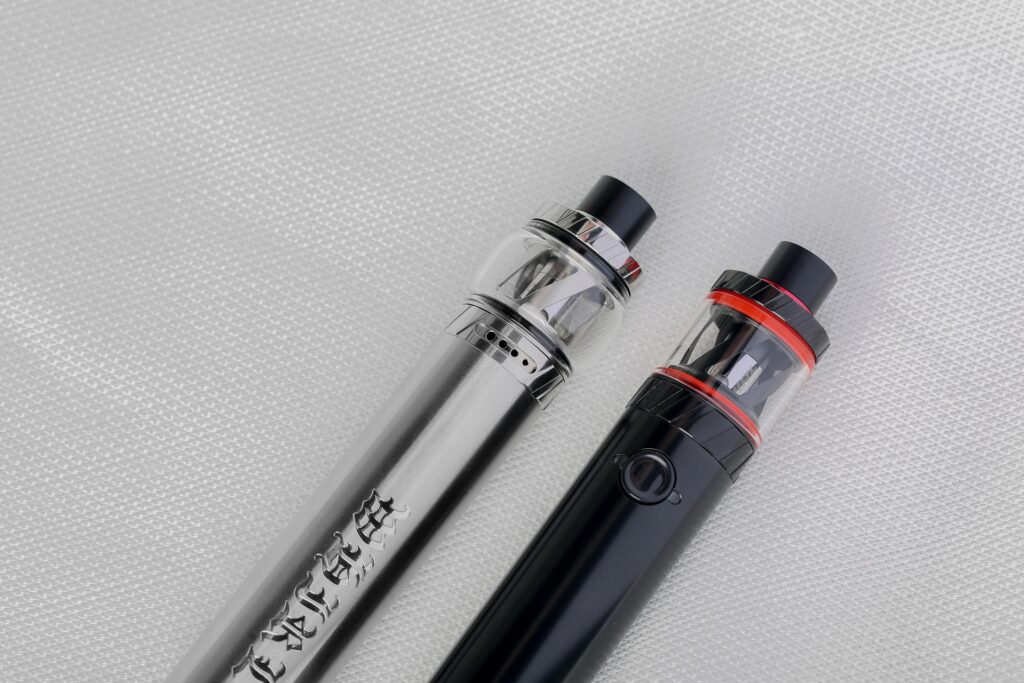
Behind the Vape Cartridge
Vape cartridges are not just mini tanks of oil. They are made up of several parts: a mouthpiece, a chamber for the oil, a heating element, and a battery connection. The oil inside can be THC, CBD, or a mix of both, with terpenes, carrier oils, and occasionally flavorings added. Knowing what these ingredients are and how they are blended is crucial information for anyone seeking a safe and enjoyable vaping session. Ingredient quality counts. Poor-quality additives or unknown carriers can cause health hazards. Reading product labels continues to be among the best ways to verify what you’re inhaling.
Formulation
How a vape cartridge is blended impacts flavor and potency. The base oil blend lays the foundation. Terpenes, the compounds responsible for cannabis’ aroma and flavor, are a huge contributor. A 99% cannabinoid cartridge is often tasteless and odorless because there are no terpenes present. A distillate with 95% cannabinoids and 5% of other compounds, such as terpenes, wax, and flavonoids, provides a more complete experience.
Terpene profiles are of great importance. They can enhance impacts and provide dimension to the vapor. For instance, steam-distilled terpenes taste softer but sacrifice potency because a lot of the terpenes leach out into the water. Artificial flavors, frequently gleaned from the e-cigarette market, increase the diversity and prompt safety concerns. With thousands of flavors, some have been associated with lung issues like ‘popcorn lung’.
Carrier oils, too. They assist in thinning the extract and influence the vaping behavior of the cartridge. Others, like clear oil, may indicate less unwanted waxes or chlorophyll. Darker oil can indicate additional wax, pigments, or bad storage. Read the ingredients. Products that are transparent about what they contain are a safer bet.
Extraction
Extraction processes define the quality and purity of vape oils. CO₂ extraction, solvent extraction, or steam distillation all produce different results. These include things like hydrosols from steam distillation or low-heat distillations that can preserve delicate constituents.
Good extraction preserves more cannabinoids and terpenes and doesn’t add residuals. Lab testing is crucial to verify purity and potency. Bad extraction can leave solvents or contaminants that are both unsafe and off-putting. Understanding how your oil was produced allows you to select cartridges that are safer and more effective.
Verification
Third-party lab testing is essential for vape cartridges. These tests indicate whether the product is clean and accurately reflects the label. They should provide results for cannabinoid levels, such as THC and CBD, and test for contaminants.
Lab reports tell you if it has dangerous additives. Screening for heavy metals, pesticides, and solvents helps guarantee quality. In high-THC products, low CBD can increase the likelihood of adverse effects, such as psychosis. Authenticated products allow people to have more trust in what they’re vaping.
A Personal Approach to Ratios
Selecting the appropriate THC and CBD ratio isn’t a universal method. Each person responds individually to cannabinoids, and one person’s solution may not be the answer for another. A lot contributes to how a ratio feels — personal goals, work needs, tolerance,and even the time of day. For instance, a 20:1 CBD-THC vape is often best for those who want clear thinking and little psychoactive effect, while a 1:1 blend may suit those seeking a balance between easing stress and staying alert. The right ratio varies depending on what you’re trying to achieve, such as relaxation, focus, or pain relief. Being personal about it means tuning into your body, taking your time, and easing in changes to discover what works for you. By journaling your experiences, you can identify patterns and optimize your decisions over time.
Start Low
Start with small amounts, particularly if you’re new to THC or CBD, have taken an extended break, or are sensitive to psychoactives. For many, starting with a 10 to 1 or 5 to 1 CBD to THC ratio provides gentle calm without strong highs. Low doses of 2.5 mg to 5 mg THC let you experience at first how your body reacts before you increase. This minor adjustment keeps unwanted side effects such as anxiety or drowsiness at bay. Understanding your individual tolerance prevents overdosing in a single hit, and a measured, minimum possible dose beginning is the best route for the majority of us.
Beginner’s Checklist:
- Pick a product with a clear, low ratio like 20 to 1 or 10 to 1 CBD to THC.
- Take the lowest dose on the label, typically 2.5 to 5 mg THC.
- Wait at least one hour before taking more.
- Write down how you feel in a journal.
- Only boost your dose after a few days if you’re feeling good.
Track Results
What can really help is to keep track of your experience with different ratios. Note the ratio, dose, time of day, method (vape, tincture, edible), and how you felt. Over time, this log will expose which blends support your goals, be it stress relief or sleep. Tracking enables you to detect if some ratio makes you anxious or exhausted, and which provides clarity or comfort.
- Use a notebook or app to log each session.
- Record the exact ratio and dose.
- Note physical and mental effects.
- Include context, such as food eaten, mood, or activity.
- Discuss the insights in forums or with friends to get more perspective.
All of us who post our results provide some foundation for the rest of us so that we can learn as a community.
Adjust Slowly
Tweak your ratios little by little. If a 10:1 blend feels too weak or too strong, try a 5:1 next time. The entourage effect—the interaction of terpenes and cannabinoids—influences your height, so be mindful as you dial in. Here’s my personal take on ratios—always heed your body. If it makes you feel uncomfortable, stop and reconsider your strategy. It’s not always quick; it can take you weeks to get to the optimal ratio for your situation. Tampering and trial are the best ways to find equilibrium and ease.
How to Use Cannabis Vapes Safely and Responsibly
Being a responsible cannabis vape consumer involves more than simply selecting a strain or cannabinoid ratio. It starts with understanding how your body reacts and approaching your experience with care. If you’re new to THC or CBD vapes, begin slowly and give your body time to adjust before increasing your intake.
- Start Low and Go Slow: Take small puffs lasting about 3–5 seconds and wait at least 10–15 minutes before taking another. This gives the effects time to appear and helps prevent consuming too much too quickly. Many brands suggest starting with 2.5–5 mg of THC and increasing gradually if needed. This method reduces the risk of unpleasant effects such as anxiety, dizziness, or discomfort.
- Follow Local Laws: Where you vape matters just as much as how you vape. Cannabis laws vary by location, but in many areas, public vaping is prohibited, and users must be 21 or older to purchase or consume recreational products. Understanding both state and local regulations helps you avoid fines or legal issues while supporting responsible cannabis use.
- Consider Your Health: Your personal health should always come first. If you have respiratory conditions, heart issues, or take medications that could interact with cannabis, consult a healthcare professional before trying vape products. Pay attention to the CBD-to-THC ratio as well—CBD may moderate some of THC’s intensity, while high-THC products can produce stronger effects.
- Check Product Transparency: Always read product labels carefully and, when possible, review third‑party lab reports from the vendor. These reports verify potency and purity, helping you make informed decisions and avoid unnecessary trial and error when seeking the desired experience.
Taking these precautions helps ensure a safer, more controlled cannabis vaping experience while allowing you to better understand how different products affect you.
Conclusion
To choose a vape, understand the fundamentals. THC, CBD, and ratio vape products explained. THC and CBD work in their own ways. Others prefer more THC for a strong punch. Others desire more CBD for a cool, calm vibe. Ratios define the entire journey. A 1-to-1 split gives a set balance. A 10 to 1 mix leans strongly in one way. Lab info and labels reveal the actual figures. An intelligent decision stems from defined desires, not conjecture. Vaping takes effect quickly, so begin with a low dose and pay attention to how you feel. Try a few varieties to find what fits. Stay safe.
Frequently Asked Questions
What is the difference between THC and CBD in vape products?
THC produces a euphoric impact, while CBD does not. They’re both cannabinoids found in cannabis, but they affect the body differently. Vape products often combine them in various ratios.
Why do THC and CBD ratios matter in vape cartridges?
Ratio impacts experience and benefits. Higher THC provides more potent effects, and more CBD can mitigate psychoactivity and provide further relaxation. Selecting the appropriate ratio aligns with your requirements and tolerance.
What are common THC:CBD ratio profiles in vapes?
Popular ratios include 1:1 for balanced effects, 2:1 for mild THC effects, and 20:1 for mainly CBD with minimal THC. Every ratio delivers a distinct experience, so we can choose what suits us.
How can I choose the best THC: CBD ratio for me?
If you’re new, begin with a balanced or CBD-dominant ratio. Modify according to your preference, requirements, and familiarity. Talking to your doctor can help steer your decision.
Are THC :CBD ratio vapes safe for first-time users?
Yes, as long as it’s used responsibly. Go low dose and use a CBD-heavy ratio to avoid intense effects. Always purchase from regulated vendors and carefully read product labels.
Do different ratios impact the potential health benefits?
Yes. There’s research indicating that CBD can relieve things like anxiety or inflammation, and THC can relieve pain. That ratio dictates which effects prevail.
Can I use THC:CBD vape products in all countries?
Laws differ significantly. Don’t forget to check local laws before buying or using any THC or CBD vapes.