
Table of Contents
ToggleKey Takeaways
- You should understand that curing is more than drying. It involves chemical and physical processes that impact the potency, flavor, and smoothness of cannabis flower.
- By maintaining moisture and environmental conditions during curing, you can preserve cannabinoids and terpenes, which leads to a richer aroma and a better experience for the consumer.
- To know the difference between drying and curing, slow, controlled drying followed by optimal curing keeps it from degrading and maximizes the quality of the final product.
- By consistently checking temperature and humidity and ensuring adequate airflow, you steer clear of mold and uneven curing.
- Adapting your curing method to each strain’s unique type, be it dense, airy, or resin-heavy, produces the best outcome and preserves distinct traits.
- By developing your palate, you can evaluate visual, aromatic, and tactile indicators and ultimately know the real quality and value of cannabis flower in the market.
Knowing freshness, curing, and quality in cannabis flower provides the essential information to recognize quality products and make informed decisions. Freshness connects to smell, look, and feel, detecting how well the flower maintains its characteristics post-harvest. Curing refers to how growers dry and store buds to manage flavor, aroma, and potency, which is a key factor that often distinguishes top-shelf flower. Quality encompasses both of these steps and includes how clean and safe the flower is, devoid of mold or harsh chemicals. Knowing what to look for will help you pick out the best flower for your purposes and save you some money. Here are clear signs, methods, and tips to spot real quality in every batch you buy.
The Curing Imperative
Curing is that crucial step separating fresh cannabis from premium cannabis products. This process influences how the cannabis buds taste, their potency, and how they burn or vaporize. It’s more than just the drying process; understanding the optimal cannabis drying environment is essential in the path from harvest to table.
Beyond Drying
Drying and curing are frequently confused with one another. Drying is the initial stage to eliminate surface moisture, but curing is the slow, deliberate process that allows the buds to complete their maturation.
- Drying lowers moisture fast to stop mold.
- Curing lets buds mature, enhancing taste and strength.
- Drying’s brief, curing can take three to eight weeks or half a year.
- Proper drying keeps the shape, and curing deepens the smell and color.
Slow drying is imperative. If you dry buds too quickly, you’re losing terpenes and ending up with harsh, brittle flowers. Slow action preserves the bud’s cell walls and retains the terpenes that make each strain distinctive. When curing, maintaining humidity between 45 and 55 percent is critical. If it is too dry, terpenes are lost,, and if it is too wet, mold can grow. The first ten days count. Weeping jars need to be ‘burped’ every day, releasing trapped moisture. If moist, keep the jars open for a half day or more to equalize the air.
Preserving Potency
Curing is where you protect what matters: THC, CBD, and other cannabinoids. These compounds are unstable and sensitive to heat, light, and air. When curing is done correctly at 15 to 21 degrees Celsius in a dark, sealed environment, you prevent these compounds from degrading. If you hurry or omit steps, you weaken and spoil.
If too fast or humid, cannabinoids oxidize, turning THC into less potent CBN. A full curing cycle, sometimes upwards of two months, allows the plant’s chemistry to calm and coalesce at its most potent. Some growers monitor cannabinoid levels with lab tests or home kits, following how THC levels stabilize and verifying no degradation.
Enhancing Flavor
Curing not only keeps buds mighty, but it also opens the flavors! Terpenes, the molecules behind aroma and flavor, are delicate. With the right humidity and time, they sit, imparting you with that rich, stratified scent only cured cannabis possesses. If you dry too fast, terpenes break down or escape, leaving bland or grassy notes.
Proper moisture management is essential. Buds lose their bright green hue and turn tan, gold, or brown a couple of weeks later, which is a symptom of chemical shifts within. Certain styles, such as anaerobic curing, pop with more defined flavors when cured for more than two months. Every technique, from glass jars to humidity-controlled vaults, imparts a unique vibe on the final bud.
Smoother Experience
A sweet savor goes up to curing. If done well, the bitter greenness subsides, and the puff is soft. You dodge cough and throat burn.
Checklist for smoothness:
- Dry slowly, never rush.
- Store buds at 45–55% humidity.
- Keep the temperature between 15–21°C.
- ‘Burp’ jars daily for 10 days.
- Cure for a minimum of 3 weeks, preferably 2 or more months.
Slow rehydration is key should buds become too dry mid-cure. This step reintroduces a bit of juice, smoothing out the smoke. Well-cured ganja does not just taste better; it makes the entire session more pleasurable, with every hit crisp and satisfying.
Why Curing Cannabis Matters
Curing is perhaps one of the most important steps in cannabis production, determining not only the quality of buds but also taste, aroma, and shelf life. When you move past harvesting and the drying process, curing is where the true value in cannabis buds is exposed. Without it, even expertly cultivated cannabis flowers can come up empty.
1. Chemical Transformation
During the curing process of cannabis buds, a number of slow biochemical transformations begin in the cannabis flower. Enzymes digest remaining sugars and starches, transforming them into simple, less astringent compounds. This process results in a smoother flavor and easier burning. Cannabinoids, such as THC and CBD, stabilize and can even increase in relative concentration by weight as water departs from the flower. Over weeks, this chemical shift can aid the flower in reaching full potency, as cannabinoid acids gradually transform to their active forms. Proper curing, particularly for dense indicas, allows these changes to reach their peak potency, creating complex effects and a more satisfying final product.
2. Terpene Preservation
Terpenes are the fragrant molecules that provide cannabis with its distinct flavors and aromas. If you hastily dry cannabis or omit meticulous curing, numerous terpenes dissipate or deteriorate. Saving these compounds requires a slow drying process at stable temperatures and humidity, usually between 55 and 62 percent. This range keeps the terpenes, so you get a rich flavor and a true-to-strain aroma. The best cannabis products have a bouquet that corresponds with their genetics, from citrus sativas to nutty indicas. Storing jars in a sealed container away from direct light assists, as does ‘burping’—brief airing of the jar after curing is started during the first two weeks.
3. Chlorophyll Breakdown
Chlorophyll is what gives fresh cannabis its green, grassy taste and harsh smoke. During the cannabis curing process, the chlorophyll begins to break down, allowing the flower to shed a lot of that bite. This requires a minimum of 8 to 12 weeks, but longer cures can mellow even robust cannabis buds. This is when humidity monitoring really matters. If moisture evaporates too quickly, chlorophyll is left behind, resulting in harsh smoke. When done correctly, cured cannabis combusts to white ash, with no bite in the throat, and every drag is velvety smooth.
4. Moisture Optimization
Moisture control is the backbone of curing cannabis buds. Holding the flower at 55–62% RH for weeks allows the drying process to complete essential chemical and physical transformations. Too much dampness poses a danger of molds, while too little moisture stops chemical conversion and traps roughness. Use airtight containers and hygrometers to monitor humidity. Dry, crisp cannabis flowers that still feel sticky when squeezed indicate the perfect balance. For tight, dense indica buds, extended curing at the same humidity ensures they dry evenly, allowing flavors and potency to flourish.
5. Mold Prevention
Mold is the largest threat when it comes to curing cannabis buds. Excessive humidity and trapped moisture invite the threat of contamination, destroying the taste and safety of good cannabis. Curing in small, airtight containers allows you to control the optimal cannabis drying environment. Inspect for musty smells, white fuzz, or grey spots. These are red flags. If you see any, cut out infected buds and drop humidity immediately. A little air circulation and a bit of attention will keep your cannabis fresh and clean for months.
The Art Of Sensory Evaluation
Sensory evaluation is a core skill for assessing cannabis flower quality and involves examining the drying process. You rely on your senses—sight, smell, and touch—to judge the freshness, curing, and overall quality of cannabis buds. This method helps you spot both the strengths and flaws in cannabis, making it easier to identify what meets your standards. A good sensory analysis highlights traits like color, aroma, and texture, each linked to how the cannabis grower handled the buds during cultivation and storage.
Visual Cues
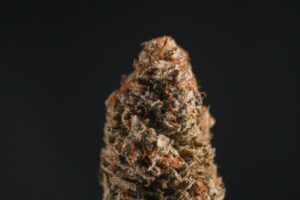
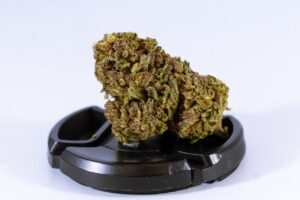
Good weed looks different. You want tight, uniform buds with colors of deep green to purples or oranges, depending on the strain. Stay away from flowers with gray, white, or black specks; these are indicators of mold, insects, or poor storage. Trichomes, the little crystal things all over the bud, are vital because they contain the majority of the plant’s cannabinoids and terpenes. Clear, milky, or amber trichomes indicate a potent product, while dull or absent trichomes indicate poor quality or improper handling.
A properly cured flower appears lively and robust, never dry and crumbly or damp. Bud density should be uniform. It should be dense but not rock hard and void of gaps or airy pockets. Loose, dry, or leafy buds typically point to a hurried cure or inferior growing conditions.
Aromatic Profile
Fragrance is a powerful identifier of cannabis excellence. You evaluate the aroma immediately upon cracking the lid. A robust, complex aroma, floral, fruity, earthy, or spicy, indicates a well-cultivated, expertly cured bud. If the smell is light or flat, that’s usually an indicator of weak genetics, poor curing or bad storage. More complex notes of aroma stem from terpenes like myrcene, which is earthy, limonene, which is citrus, or pinene, which is pine. These molecules define more than just the odor; they influence your entire experience.
You become familiar with these terpene profiles and link them to the experiences you desire. For example, a citrus-heavy aroma might be a hit with those seeking an uplifting effect, while a musky scent might indicate a more relaxing experience. The smell is indicative of how curing was managed. Good curing preserves terpenes, and bad curing will make aromas dissipate or stale.
Tactile Feedback
There’s something in the texture when you fondle cannabis buds. You want blossoms that are just a little sticky but not wet, crisp but not tough. Stickiness comes from healthy trichomes, which connect to potency and flavor. If buds are too dry, they will crumble, signifying lost freshness. If they are too wet, you invite mold, particularly if the storage wasn’t controlled.
You judge density by gently squeezing the bud. It should spring back, not flatten. Touch helps you find hidden flaws, such as seeds, stems, or pest damage. These factors influence your satisfaction and the product’s burn quality.
Tactile feedback is directly correlated with consumer satisfaction. You’re more likely to opt for items that feel nice, which frequently correlates to better quality and a superior experience.
Common Curing Pitfalls
Curing cannabis buds is a bit of a science and requires attention and time. Hurrying or skipping crucial phases in the drying process will spoil your cure, diminish potency, or even create health hazards for cannabis enthusiasts.
- Rushing the curing process—don’t cut corners on time.
- Ignoring environmental controls—manage temperature and humidity closely.
- Failing to monitor regularly—check moisture and air levels often.
- Over or under-drying can easily damage flavor, aroma, and safety.
- Common curing mistakes: Storing buds sealed for too long leads to musty tastes or mold.
- Not opening jars—improper airflow leads to poor curing outcomes.
Rushing The Process
Curing is not a step to rush, despite the compulsion to just get it done already. If you cure cannabis buds too fast, you risk sealing in chlorophyll and other plant compounds for bitter flavors and a coarse smoke. This means cannabinoids and terpenes—the compounds responsible for potency and aroma—may not develop to their full potential. Buds cured short are weak in both flavor and potency. For instance, a batch that cures for merely a week will taste sharp and grassy, with unwanted compounds not yet broken down.
Letting your cannabis complete the entire curing process, generally two to four weeks, ensures all chemical changes are complete. This transforms unwanted sugars and degrades chlorophyll, which releases a pleasant aroma and taste. Hurrying can leave excess moisture in the wet buds, which welcomes mold and mildew. The extended effect of a hasty cure is not only a short shelf-life but also inferior potency and a product you’re less proud to present.
Improper Environment
They’re the key elements that determine curing outcomes. If humidity is too great, above 65 percent, buds remain too wet and can develop mold or mildew in airtight jars. Low humidity, under 55 percent, can dry buds out to the point they become brittle and lose cannabinoids. There’s temperature too. If it’s too hot, aroma and flavor compounds break down too quickly. If it’s too cold, curing slows, and your buds can end up tasting flat or stale.
A dedicated room maintained at 18°C to 21°C and 58% to 62% humidity is optimal for curing. Use a hygrometer to track these figures. Keep buds in glass jars and open them every day to let fresh air in. This step, ‘burping,’ circulates air and releases excess moisture, which prevents mold and mildew from developing. If you detect any dampness or musty odor, dry the buds out more before resealing.
Inconsistent Monitoring
Inspecting your cannabis buds regularly isn’t just a good habit; it’s essential for catching issues before they spoil your entire batch of cannabis products. Minor variations in temperature or humidity can significantly affect the drying process. For example, if the humidity dips, wet buds can dry out overnight, or if the air is too moist, mold can begin to form in just a day. Digital meters or moisture packs help you monitor these fluctuations in real time. If you notice moisture pooling inside the jars, leave them open longer or transfer the buds to a less humid location until the moisture ratio stabilizes again.
Others employ moisture meters to test the cannabis flowers, aiming for approximately 10% to 12% moisture by weight. Modify your drying process according to what you observe and feel. If the buds snap, they are too dry, while if they fold over, they require additional drying. Neglecting these indicators can lead to uneven curing, resulting in some quality buds being flawless while others are wrecked. Frequent inspections allow you to address problems before they propagate.

Curing For Specific Strains
All cannabis strains require a unique method of curing, especially when considering the drying process. The size, shape, and resin of your cannabis buds require delicate handling. You need to adapt the curing process to accommodate these characteristics if you want the optimal flavor, aroma, and potency. Dense buds, airy flowers, and resin-heavy strains all require different methods for optimal results. Knowing how to identify what makes your flower unique will assist you in maintaining quality and avoiding typical curing mistakes.
Dense Structures
Dense buds can hold moisture deep within. That implies mold danger rises if you don’t monitor the curing process. Air needs to get to every piece of bud, and felt-like dense ones can prevent air from permeating through the core. If you cure these buds with insufficient airflow or excessive humidity, pockets of moisture can remain concealed, increasing the potential for rot.
A lower humidity, around 55%, is often preferred for dense buds. This prevents mold and allows moisture to escape at a safe rate. Most growers cure in jars and open them every day, a process called “burping,” in that first week to assist moisture to escape and keep curing even. In humid areas, you might need more aggressive airflow or a dehumidifier.
Challenge | Technique | Notes |
Mold risk | Lower RH (55%), daily burping | Monitor for wet spots |
Slow moisture release | Use medium-sized glass jars | Avoid overstuffing |
Airflow issues | Use mesh racks with fans | Gentle, not direct airflow |
Inconsistent curing | Rotate buds, check often | Prevent moist inner pockets |
Well-cured dense buds will retain their scent and taste longer, even after months of storage.
Airy Flowers
Airy blooms are loosely open-shaped. Cure them badly, and they dry out quickly. These buds lose water far faster than dense ones, so the risk is brittle or flavorless curing.
To prevent this, cure in higher humidity. Shoot for the 62% RH zone. Watch the moisture between your fingers and feel its flavor as it cures for specific strains. If you sense the buds turning too dry, introduce a humidity pack or jar them up earlier. Leaving them to dry too long in the open air will leach aroma and flavor. Cure for certain strains. At least once a day during that first week, check those buds. Airy flowers can go from flawless to withered in a matter of hours.
Two main tips: use humidity packs for control and never over-dry. You trap the flavor and silkiness this way.
Resin-Heavy Varieties
For resin-heavy strains, pack a walloping aroma and stickiness. These buds contain more oils and terpenes. Their sticky resin can clog airflow and trap water, so you have to be extra cautious.
You need a slow, steady cure. If you dry too fast, terpenes degrade. If it’s too slow, mold grows. Jar your buds at 62% relative humidity, but open jars two or three times a day initially to prevent the resin from sealing moisture too tightly. CURE FOR PARTICULAR STRAINS
Use glass jars, not plastic, as resin can adhere and absorb odors with plastics. After a week, open jars less frequently but continue checking for smell and feel.
For long-term storage, vacuum-sealing or freezing in air-tight bags preserves flavor and potency. With time, the color may fade, and the effect may mellow out, but if you store your resin-rich flower properly, the high stays strong.
The Grower’s Perspective
From harvest to quality cannabis flowers, this path is marked by decisions that require craftsmanship, patience, and reverence. Cannabis growers understand that the drying process, particularly the optimal cannabis drying environment, is crucial for achieving great cannabis. Your knowledge of this voyage gives you an appreciation for why certain items rise above others.
Patience As A Virtue
Patience distinguishes expert cannabis growers. The temptation to hurry the drying process frequently to accelerate shipments or save money is strong, but it’s nearly always detrimental to bud quality. Under-dried cannabis holds too much moisture, resulting in harsh smoke and potential for mold. You have to wait; you have to respect the plant’s own clock.
Letting cannabis buds dry out for one to three weeks, with room temperatures stable between 15.5 and 21°C, and relative humidity hovering around 45 to 55 percent, isn’t just old-fashioned. Such decisions degrade chlorophyll and let terpenes mature. Hand methods, preferred by some, avoid the harm that machines can do to sensitive blooms. In locations where quality is important, growers prune every bud by hand, shake the air currents, and monitor humidity on a daily basis to create an optimal cannabis drying environment.
Patience pays in a smoother, tastier product. The terpenes remain, the cannabinoid profile ripens, and the finish represents the love and sacrifice. There’s nothing like cracking a perfectly cured jar and having the smell and texture speak volumes about the grower.
The Final 10%
Curing is primarily a slow process, and the final 10% is crucial for achieving optimal cannabis drying. This stage determines the overall quality of the cannabis buds. If you stop too soon, the flower can taste grassy or harsh, while waiting too long can lead to brittle and bland results. Monitoring moisture levels, targeting between 9% to 13%, is essential for a good cannabis product.
Most cannabis growers use glass jars for storage, opening them daily to release built-up moisture, a technique known as ‘burping.’ Some even utilize hygrometers to monitor hourly fluctuations. During this phase, quality-conscious growers carefully handle buds, rotating jars and checking for mold. You’ll know curing is complete when the cannabis flowers are slightly springy, not wet, and emit a more complex aroma than just grassy.
The final steps, while seemingly minor, significantly influence the flavor, strength, and longevity of your cannabis products. This meticulous care sets apart average cannabis from great cannabis.
A Mark Of Quality
Good curing is the hallmark of a good grower. Cannabis growers and enthusiasts who take pride in their craft understand that how you handle post-harvest cannabis is everything. For consumers, the signs of no mold, not brittle edges, a bright color, and a strong yet balanced smell are validation of a job well done.
What curing does for a brand. Markets reward the takers of time and eschewers of shortcuts. Well-cured cannabis sells for more and garners respect. For you as a producer or consumer, it is clear: dedication curing means a better, more consistent experience every time.
Conclusion
To score some primo weed, you gotta peer deep into the nuances of how it smells, feels, and looks. Fresh flower emits a pungent aroma and vibrant hues. Good curing keeps these traits sharp. Each strain requires its own magic stroke, and even minuscule steps in storage or handling can tip the balance of the final product. You may see sticky buds or smooth smoke as evidence of craftsmanship. Experienced growers take time on each step, not just the grow. Your personal palate dictates what works for you. To demystify what you purchase or experience, believe in your senses! For more tips and deep dives, see my other posts and share your thoughts or questions anytime.
Frequently Asked Questions
1. What Does “Curing” Mean In Cannabis Flower Processing?
Curing is the slow drying process of harvested cannabis buds, which helps preserve flavor, aroma, and potency while diminishing harshness and moisture for optimal cannabis drying.
2. Why Is Curing Important For Cannabis Quality?
It enhances the flavor and aroma of cannabis buds, making them more enjoyable while preventing mold growth and preserving potency, resulting in a safer and tastier cannabis product.
3. How Can You Tell If Cannabis Flower Is Well-Cured?
Well-cured cannabis buds should feel a bit dry to the touch, yet not brittle. They should emit a pleasant aroma, smelling fresh and rich, indicating an optimal cannabis drying environment during the drying process.
4. What Are Common Mistakes In Curing Cannabis?
Typical errors are drying too fast, storing in humid conditions, or not using airtight containers. These mistakes lead to mold, stale flavor, or harsh smoke.
5. Does Every Cannabis Strain Need A Unique Curing Process?
Yes. Various strains possess distinct moisture content, terpene profiles, and densities, making the drying process crucial for cannabis growers. Customizing your cure allows you to bring out the best in every strain.
6. How Does Curing Affect The Sensory Experience?
Curing cannabis buds enhances the aroma, taste, and smooth feel, allowing the natural terpenes and cannabinoids to mature, ultimately providing cannabis enthusiasts with an elevated sensory experience.
7. What Should Growers Consider When Curing Cannabis?
Growers should keep a close watch on temperature, humidity, and airflow during the drying process. Storing cannabis buds in clean, airtight containers and frequently inspecting your wet buds will help maintain quality and avoid mold contamination.
Choose Cannabis Flower With Confidence At A Therapeutic Alternative
Cannabis flower can be deeply personal, and understanding how it’s grown, labeled, and experienced helps you move beyond trends and into informed choice. If these articles raised questions about terpene profiles, THC levels, freshness, or how to read labels with confidence, you don’t have to figure it out on your own. Thoughtful guidance makes a real difference, especially when your goals are wellness-focused.
Our team at A Therapeutic Alternative is always here to help you connect education to real options. Feel free to contact our team with questions or stop by for an in-person conversation rooted in care and knowledge. When you’re ready, you can also browse our cannabis flower menu to explore available options at your own pace and choose what aligns best with your preferences.