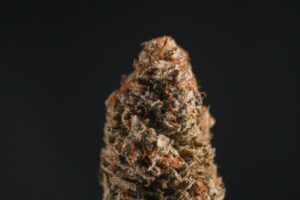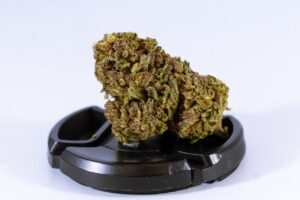

High THC strains contain genes that enable plants to produce more tetrahydrocannabinol, and high CBD strains have genes that promote cannabidiol instead. What matters here is how these genes interact with cultivation techniques such as light, soil, and water to accumulate each compound. THC imparts a potent psychoactive experience, which is why some choose it for recreational use. CBD can assist with calm and relief, so it tends to be much more common for wellness or health. Understanding the distinction helps users select the appropriate strain for their purposes, be it medicinal or recreational. In upcoming installments, A Therapeutic Alternative will dissect what makes a strain THC- or CBD-high and why it matters for consumers.
Table of Contents
ToggleKey Takeaways
- Genetics and enzyme activity in cannabis plants mainly dictate whether a strain is high in THC or CBN, and this affects the impact and applications of the plant.
- Breeding magic and controlled conditions have a lot to do with it, so the breeder’s secret sauce and the growing environment are important considerations for potency and quality.
- Knowing cannabinoid profiles, including minor cannabinoids and terpenes, is important for consumers looking for particular therapeutic effects or specific experiences.
- Because cannabinoids interact with the body’s endocannabinoid system in a way that varies from person to person, personal sensitivity and responsible dosing are imperative.
- Not just about THC or CBD product strength or efficacy. Full-spectrum formulations and the entourage effect, all of which shape the experience.
- Shoppers should arm themselves with information about cannabinoid ratios, seek out knowledgeable professionals, nd factor in their own needs and preferences when choosing products.
The Cannabinoid Blueprint
The cannabinoid blueprint serves as a guide to genetic enzymes, breeding, and growing conditions that dictate the THC ratios and CBD concentrations in different weed strains. This interaction significantly influences cannabis’ effects on the human body’s endocannabinoid system and accounts for the varied reactions observed worldwide.
1. Genetic Code
One way genetics leads in determining the ratio of cannabinoids in marijuana is through the plant’s DNA, which encodes enzymes that produce THC, CBD, or a combination. Each weed strain begins with a distinct profile, and hybridization allows breeders to create new strains with particular characteristics such as high levels of THC or CBD. These different weed strains result in varying impacts, clarifying why some strains can be calming while others are invigorating. Continued genetic research may soon enable growers to customize indica and sativa weed strains specifically for medicinal purposes, providing consistency and precision to consumers.
2. Enzyme Activity
Enzymes in cannabis convert simple molecules into cannabinoids via a series of chemical reactions. The enzyme THCA synthase produces THC, while CBDA synthase produces CBD, and their relative efficiency determines the resulting concentration levels. If the plant faces heat, drought, or other stress, enzyme action can change, shifting the THC: CBD ratio. With biotech, labs will soon be able to enhance specific enzymes to create strains with even more targeted effects or medicinal applications.
The efficiency of these enzymes is crucial. Small changes in the plant’s genetics can decelerate or accelerate cannabinoid synthesis. Environmental factors such as light cycles, likewise, influence enzyme activity, adding complexity and variability to the process.
3. Breeder’s Touch
Breeders apply their expertise to select marijuana plants with ideal characteristics, cross-pollinating them to achieve strong THC ratios or CBD levels. By observing the plant’s appearance and conducting chemical testing, they chose the top “phenotypes” to breed forward. Breeding techniques such as backcrossing allow them to stabilize specific effects such as pain relief or alertness. Buyer trust depends largely on breeder reputation, with established breeders being perceived as more trustworthy sources of quality and safety.
4. Growing Conditions
Soil, light, and water all shape cannabinoid levels.
When outdoor plants must react to changing weather, THC and CBD get to swing.
Indoor growing lets us better manage heat and dampness, and the results are consistent.
Organic methods may boost the mix of helpful compounds.

Why Cannabinoid Levels Matter
CBD ratios, particularly the THC-to-CBD ratios, significantly influence the cannabinoid levels in different weed strains, which help determine the psychoactive effects that cannabis has on you. Understanding these levels allows individuals and clinicians to anticipate effects, mitigate risks, and tailor to personal or medicinal cannabis requirements.
The Body’s Response
Our bodies contain an endocannabinoid system. This system consists of CB1 and CB2 receptors throughout the body and brain. THC attaches predominantly to CB1, producing psychoactive effects, whereas CBD impacts both receptors more subtly.
High THC strains can accelerate heart rate and reduce coordination. They can cause dry mouth, red eyes, and, in rare cases, anxiety or paranoia. CBD isn’t intoxicating and can counter some of THC’s undesired effects, like anxiety. How each individual metabolizes cannabinoids varies and depends on factors such as metabolism, weight, diet, and habitual use. For instance, an individual with a quicker metabolism could experience impacts for less time.
Hodoes know that the THC to CBD ratio impacts the body. A 1:1 ratio product often provides both relaxation and mild euphoria, making it suitable for users seeking functional relief without strong intoxication.
The Mind’s Experience
THC is famous for its psychoactive properties. It can alter perception, enhance mood, or, in large amounts, lead to disorientation. CBD, on the other hand, is different. It typically relaxes the mind, relieves stress, and is sometimes useful for anxiety.
Some individuals experience high THC as elevating or enlightening. Others say they feel anxious or socially isolated. CBD is less liable to do so. Low-tolerance individuals can be overwhelmed by low doses, while seasoned users often need high doses to produce the same effect.
Reactions can vary from euphoria and creativity to anxiety or sedation, so it’s good to know your own comfort and tolerance levels.
Therapeutic Potential
- Chronic pain: high THC or balanced ratios
- Epilepsy: high CBD (e.g., Epidiolex)
- Multiple sclerosis spasticity: mixed cannabinoids
- Anxiety: high CBD, low THC
- Appetite loss: high THC (e.g., dronabinol)
- Addiction treatment: high CBD
Cannabinoid ratios, particularly those found in different weed strains, play a key role in pain relief and symptom control. Studies show mixed cannabinoids improve spasticity in multiple sclerosis. Research is ongoing in fields like cancer, neurodegenerative diseases, and psychiatric disorders, with doctors tailoring THC ratios to each patient for the best results.
Health And Safety Concerns
- High THC use can cause anxiety, paranoia, or even psychosis, particularly with newer or sensitive users.
- Frequent high THC doses increase the risk of cannabis use disorder, which features cravings or withdrawal.
- Synthetic cannabinoids can be unpredictable and riskier than natural options.
- Mindful dosing contributes to reducing adverse reactions and promotes responsible consumption.
The Supporting Cast
Cannabis effects are influenced by more than just THC or CBD. Different weed strains, including indica and sativa weed strains, contain terpenes and minor cannabinoids that shape how a strain feels, tastes, and works, contributing to the unique experiences of each cannabis strain.
Terpene Impact
Terpenes, the oils in cannabis, can number up to 150 in a single plant, including important terpenes like myrcene, which smells earthy and has sedative qualities, and limonene, which offers a citrus aroma and mood-enhancing properties. Pinene has a piney scent and may boost alertness, while linalool contributes a floral touch with relaxing properties. These terpenes play a significant role in the effects of different weed strains, influencing how cannabinoids like THC and CBD work in the body.
For instance, some terpenes have shown pain relief in animal studies, making them essential for medicinal cannabis applications. The unique mix of terpenes in a strain, whether it’s sativa weed strains, indica weed strains, or hybrids, helps explain why effects can vary even if THC or CBD levels are similar.
The flavor of a strain, such as piercing Ghost Train Haze or sugary Blueberry, is derived from its terpenes. This is why two strains with the same THC content can taste and feel very different, showcasing the diversity of weed products.
When terpenes combine with cannabinoids, they can create more potent or balanced effects. This synergy is one reason why full-spectrum cannabis concentrates are popular among those seeking a more holistic experience.
Non-Primary Cannabinoids
Minor cannabinoids such as CBG and CBN, not as well known as THC or CBD, but they care. CBG, for instance, might assist with inflammation and mood, whereas CBN is believed to promote sleep.
These minor cannabinoids can contribute to or modify the effects of THC and CBD. While most weed strains, on more than 700 of them, have less than 1% CBD and THC at 16-21%, spiking with minor cannabinoids can make the experience smoother or more focused.
Scientists are studying what these lesser compounds might be capable of, from soothing discomfort to enhancing concentration. They’re promising, but additional research is necessary before they can be asserted.
If you’re opting for a cannabis product, it’s savvy to look beyond THC and CBD and see if the strain mentions other cannabinoids. This assists in discovering the perfect match for your desires.
Cannabinoid And Terpene Synergism
The entourage effect is when all the cannabis compounds, like THC, CBD, terpenes, and minor cannabinoids, work in harmony. The concept is that the entire plant provides a more effective impact than any one part individually.
Combining these molecules can translate into more powerful relief from pain or anxiety, or improved taste and texture. It’s why some folks choose full-spectrum oils or flower over isolated THC or CBD.
For product makers, it’s now about how to blend these compounds to achieve the desired effect, be it a surge of energy or quality shut-eye. It’s not easy, but it’s where a lot of emerging research is headed.
We still need more data to know how all these parts work together and what’s best for each use.
Choosing Your Ideal Profile
Choosing your cannabis strain is about more than selecting a moniker or taste. Each cultivar has unique characteristics, not only in scent, taste, and hue, propelled by terpenes, but in cannabinoid composition, as well. This means it can be anything from soothing to stimulating, depending on the THC ratio or the specific weed strain you choose. Knowing your health requirements and your taste is essential. The appropriate mix of THC and CBD can aid in relaxation, pain relief, or concentration. Potency counts as well, with 21% THC or higher deemed potent. THC has gotten stronger, with potency-driven health concerns if not aligned with your experience. Experiment with different weed strains, and consult dispensary personnel for recommendations.
Understanding Ratios
Ratio (CBD: THC) | Common Effect | Chemotype/Type |
0:1 | Strong euphoria, high | Type I |
1:1 | Balanced, mild effects | Type III |
2:1 | Mild relaxation, low high | Type II |
20:1 | Little to no high | Type III |
Labels indicate cannabinoid potencies in milligrams or as percentages. A “high-THC” product could be labeled as Type I, “high-CBD” as Type III, and balanced as Type II. Reading these labels lets you align the product with your requirements, be it for calm, relief, or clear-headedness. For pain or headaches, some opt for indica weed strains with a lot of CBD or consider different weed strains that suit their needs. Newbies, steer clear of the high-THC products until you know what you’re in for!
Defining Your Goal
Cannabis use varies: some want relief from joint pain, while others seek stress reduction or recreational effects from different weed strains. Well-defined goals assist in selecting the appropriate balance of indica weed and sativa weed strains. If you have a health concern such as neuropathy, a high-CBD product may be best for you. Manage your expectations; not all strains act alike on everybody. Figuring out what works for your body usually requires time, experimentation, and occasionally the help of a professional.
Personal Sensitivity
THC’s effect can vary significantly among individuals, especially when considering different weed strains. Begin with low doses, particularly if you’re a new or recent user of medicinal cannabis, as prior experience alters tolerance and the impacts you’ll experience.
From Harvest To Hand
Cannabis takes a long journey before it reaches the shelf, especially when considering different weed strains. Every process, from the field to the shop, configures the THC concentration or CBD content in the final product. Growers look out for cues such as the color of the pistil hairs on cannabis flowers. They monitor when 80-90% of hairs darken, or when 40-70% curl, as this can signify varying peaks. The plant’s cannabinoid content remains low until it flowers, where it shifts quickly. Quality control keeps these levels in check, and lab tests provide the last say on what’s inside. Every process, harvesting, drying, curing, extracting, and testing, counts for both potency and purity of medicinal cannabis.
Curing And Drying
Curing entails holding buds in airtight jars for weeks, allowing moisture to redistribute and even, and sugars and chlorophyll to degrade. This process preserves terpenes and cannabinoids like THC and CBD, enabling buds to maintain their aroma, flavor, and potency. Drying needs to occur slowly and evenly, typically at 15-21°C with humidity at 45-55% to prevent rot and preserve cannabinoids from degradation. A good two to four weeks of curing can really enhance the potency and flavorsome experience of most buds. If curing extends beyond six months, there is no additional benefit in strength.
Our carefully-controlled curing process locks in flavor and ensures that the effects are as rich as possible. If growers skimp, cannabinoids degrade, and buds lose their punch.
Extraction Methods
Method | Purity | Potency | Solvents Used | Example Products |
CO2 extraction | High | High | No | Oils, vape cartridges |
Ethanol | High | High | Yes | Tinctures, full-spectrum oils |
Hydrocarbon (BHO) | High | Very High | Yes | Waxes, dabs |
Rosin Press | High | Medium | No | Rosin, hash |
Extraction extracts cannabinoids from marijuana plants for oils, edibles, and various other weed products. Solvent-based methods, such as butane and ethanol, can produce potent cannabis concentrates but are dangerous if not properly purged. Solventless processes, like rosin pressing, bypass chemicals and are safer for certain consumers, ensuring cleaner returns.
Product Formulation
How you consume cannabis, including different weed product types like oils, tinctures, and edible cannabis, affects how much your body can absorb. Oils and tinctures soak up quickly, while edibles run slow but linger. Labels ought to specify all ingredients, including THC content, so purchasers know what they’re having. Folks should select what fits their requirement, be it fast or slow, or deep relief.
A Personal Perspective On Potency
Potency is not merely a quantity when it comes to different weed strains. Most of us find that our personal tolerance for potency rarely matches the label. Elements such as personal biology, state of mind, and even geography can alter the experience of a product. This is why it’s critical to move beyond only THC or CBD percentages and instead consider what is right for you. Community input and your own medicinal cannabis history are just as important as lab values.
Beyond The Numbers
Cannabinoid percentages are only part of the story when it comes to understanding different weed strains. A 20% THC strain could seem more powerful than a 15%, but users suggest that’s not necessarily the case. Certain individuals experience more robust effects from something with less THC, particularly if they’re newcomers to cannabis or have a relatively low tolerance. The mean THC potency today is 15%, far exceeding 1990s levels of 4%. Of course, not everyone wants or likes these high-THC cannabis concentrates.
Context is crucial. An individual in a relaxed setting might experience different effects from indica weed compared to someone taking the same dose in a high-stress environment. Mindset, health, and even the time of day can alter how potent a weed strain seems. Hemp-derived products, for instance, hold less than 0.3% THC, and some consumers discover these to be better for daytime use or for steering clear of undesired side effects.
Perhaps we should consider other properties, such as smell and flavor, when selecting a strain. A lot of folks find that certain flavors or scents make a strain more pleasant, even if the THC or CBD content is lower. Whole body consideration, taking impact, taste, and personal requirements into account, results in smarter decisions regarding medicinal cannabis products.
The Experience Myth
It’s a myth that more THC content equals better effects. In fact, different weed strains can be uniquely effective independent of THC ratios. Certain consumers may feel anxious with high-THC products, while others prefer the relaxing effects of indica weed strains. It’s about what YOU like, and experimenting with various weed products allows you to discover your personal favorites.
Trust Your Senses
Smell, look, and touch are crucial when evaluating different weed strains. Aroma can indicate freshness, while texture can suggest quality, and color or trichome coverage may hint at THC content. Notes of earthy, pine, or desired fruit or citrus enhance the experience with various cannabis flowers.

Final Remarks
If you want to identify a strain that’s high in THC or in CBD, take a look at the plant genetics and how cultivators nurture the plant. High-THC strains come from plants cultivated for powerful resin and harvested at peak ripeness. High-CBD strains are derived from plants with genetics that suppress THC and increase CBD. These characteristics change a strain’s sensation, from cerebral haze to physical relaxation. For medical use, some require the soft touch of CBD. For others, the spark from THC does the trick. Test results provide transparent evidence of what’s in. Selecting the appropriate strain has to do with what suits your objectives. Have strain questions or want to compare notes on what worked for you? Leave a comment or hop on the next thread.
Frequently Asked Questions
1. What Determines If A Strain Is High In THC Or CBD?
A strain’s genetics determine its THC concentration, influencing whether it’s a high THC weed strain or rich in CBD. Breeders create various weed strains with distinct cannabinoid profiles.
2. Why Does It Matter If A Strain Is High In THC Or CBD?
THC from marijuana gets you high, while CBD from hemp doesn’t, affecting your experience.
3. How Can You Identify A Strain’s Cannabinoid Content?
Check third-party lab tests or product labels to indicate the THC ratios, CBD content, and other cannabinoids present in the weed strain.
4. Do Other Compounds Affect A Strain’s Effects?
Certainly, terpenes and minor cannabinoids impact the effects of different weed strains as they cooperate with THC or CBD to mold the experience.
5. Can You Use High-THC Or High-CBD Strains For Medical Purposes?
Either one for medical purposes, such as a high-THC weed strain for pain relief or a high-CBD medicinal cannabis product for anxiety or inflammation.
New To Cannabis Flower? We’ll Help You Feel Confident From The First Step.
Finding the right cannabis flower shouldn’t feel overwhelming. At A Therapeutic Alternative in Sacramento, we offer personalized, judgment-free guidance to help you choose strains that truly match your needs, whether you’re easing into cannabis for the first time or refining your wellness routine.
Our experienced consultants and cannabis-trained nurses take time to understand your goals, explain how different strains and terpene profiles affect the body, and guide you toward options that fit your lifestyle. From calming indicas to energizing sativas and balanced hybrids, we’ll help you make sense of it all, no guesswork, no wasted product.
You’ll leave your consultation with clarity, confidence, and a personalized plan that grows with you.
Meet with us in person, by phone, or on Google Meet. Let’s find the cannabis flower that fits you, so you get the results you’re looking for, without the stress.