
Key Takeaways
- Cannabis edibles are metabolized differently than inhaled products, causing the effects to take longer to kick in and last longer, which necessitates both planning and patience.
- How edibles affect you personally will depend on factors such as your metabolism, liver function, age, health, and any other medications you may be taking.
- Precise dosing is essential. Beginning low and going slow reduces the risk of negative experiences, particularly for edible novices or those with existing health concerns.
- Product type should be determined by detailed research into labels, cannabinoid compositions, ingredients, and third-party testing to confirm safety, potency, and suitability for individual health goals.
- Safe storage, legal compl,iance and open conversations with your doctor are key to responsibly incorporating edibles into your medical regimen.
- By maintaining a journal of edible experiences and working with their physicians, patients can be empowered to make informed, safe, and effective choices that work best for their individual needs.
Medical patients considering edibles should understand key factors related to safety, dosing, and how the body processes them. Unlike oils or vapes, edibles are slower to take effect and produce longer-lasting results. Potency can vary significantly between products, making careful label review and gradual dosing essential. Eating or drinking alongside edibles may alter how strong the effects feel. Individual responses also differ based on medical conditions, medications, and prior cannabis experience. To support informed, responsible use in medical treatment, the sections below outline essential considerations and precautions, with guidance from A Therapeutic Alternative.

Understanding The Edible Effect
Patients reconsider how cannabis edibles, such as gummies and chocolates, function in the body before opting for symptom relief. Edibles take a slower and much less predictable course through the digestive tract, frequently generating more potent and longer-lasting sensations. The format of the edible cannabis products can influence the experience, as can each individual’s body chemistry and metabolism.
The Metabolic Pathway
Edibles, such as marijuana edibles and soft chews, get absorbed through the stomach and intestines before reaching the liver, which is responsible for metabolizing tetrahydrocannabinol (THC) into a more powerful compound known as 11-hydroxy-THC. This transformation can lead to more potent and enduring impacts than smoking or vaping, meaning the body digests THC more slowly. As a result, the reaction can be delayed, sometimes taking up to 2 hours after consumption.
Potency and duration depend on how effectively the digestive system breaks down the edible cannabis products. A faster metabolism may lead to quicker effects, while others may experience a more gradual onset. Factors such as gut health and variations in the gut microbiome could influence this process.
- Fatty components, such as butter and oil, can enhance absorption.
- Sugar content may speed up digestion
- Fibrous foods can slow absorption
- Emulsifiers (like lecithin) may enhance THC uptake
Metabolic rates vary by age, genetics, and daily nutrition, implying that two individuals can experience significantly different impacts after consuming the same cannabis edibles. Understanding the right cannabis edibles for your body can enhance your experience.
Onset Time And Effect Duration
Once you consume an edible, effects typically begin within 30 minutes to 2 hours. It’s usual to feel nothing for the first 30 m,inutes and for some to take too many too soon. The effects reach their height between 2 and 4 hours and may linger from 4 to 12 hours or even longer in rare instances.
Consuming edibles with food can delay or modify the onset. Individual tolerance plays a role in timing and intensity. Always leave a big window of tripping and altered states after eating. Never schedule anything requiring attention or cooperation.
Intensity Differences
Edible THC is usually more potent than smoked or vaped because of the 11-hydroxy-THC created in the liver. High doses above 5mg for novice users can induce intense psychoactive effects, particularlylow-tolerancerance users.
Why does it matter to choose between THC and CBD edibles, you ask? Well, because CBD can reduce or eliminate the psychoactive effects. Every edible is different in terms of cannabinoids and how it engages the brain through cannabinoid receptor 1, occasionally affecting mood or anxiety.
Your Personal Health Profile
Knowing your personal health profile is an important first step in learning about cannabis edibles as a patient. Your own personal health history, lifestyle, genetics, and well-being will all factor into how your body might respond to cannabinoids found in edible cannabis products. Medical history, such as chronic illnesses, recent surgeries, or recurring conditions, influences how your body metabolizes any foreign compound, including THC and CBD. Your diet, sleep habits, and exercise regimen factor in as well, as healthier lifestyles tend to translate to more robust metabolic and immune responses. Environmental exposures like living in high-pollution areas affect your health baseline as well. Genetic factors could modify your cannabinoid sensitivity or metabolism. Mental health, whether high stress or anxiety, can impact not only your selection of edibles but your reaction to various strains. Using regular health checkups can keep you informed of how you’re changing over time and help you make more informed cannabis use decisions.
Your Body’s Digestive Response
Metabolism dictates how your body processes marijuana edibles, impacting both the onset and potency of effects. For instance, a person with a rapid metabolism would experience its impact earlier, but it would dissipate faster than an individual with a slow metabolism. This variability usually implies that users require varying amounts of edible cannabis products to achieve equal relief. Having a meal before or after taking an edible can change the dose of THC or CBD that you absorb because fats in food boost cannabinoid absorption. Exercise habits can alter how your body metabolizes cannabinoids, with active individuals occasionally experiencing more subdued or brief effects. These variations cause dosing suggestions to differ greatly from person to person, so monitoring your personal responses and titrating up gradually is essential.
Your Medications
Make sure to bring any current medications prior to starting cannabis edibles, as drug interactions are common. Certain drugs, such as those influencing liver enzymes, like warfarin, certain antidepressants, or statins, may interact with cannabinoids, altering their efficacy or amplifying side effects. This is especially dangerous for patients with chronic conditions or who are on multiple medications.
Medication Type | Potential Interaction With Edibles |
Antidepressants | Increased sedation, altered mood |
Blood thinners | Higher bleeding risk |
Anti-seizure drugs | Reduced seizure control |
Statins | Increased side effects |
Immunosuppressants | Lowered immune response |
Please check with your healthcare provider prior to mixing cannabis in any way with medication. If your prescription impacts liver function, be extra cautious with edibles dosing.
Your Condition
Determining your major health focus is crucial when considering cannabis edibles. Varied cannabinoids treat different sym; toms, for example, while THC can relieve pain and nausea, people often select CBD for anxiety or inflammation. Not all conditions react the same way. Autoimmune or cancer patients may require different blends than those suffering from chronic pain or insomnia. When using edibles, it’s important to fit the edible dosage and type to your health objectives, whether it’s sleep, appetite, or symptom control, and adapt as your needs change.
Choosing Your Edible
Medical edibles, such as gummies, chocolates, and baked goods, come in various delivery options and ingredient compositions. Each type offers a unique flavor, texture experience, and onset time. When selecting the right cannabis edibles, patients should consider potency, edible labels, and the rbeginner’snners cannabis edibles guide to balance flavor and effects.
1. The Formulation
An edible’s formulation is not simply about flavor or t;xture, it also includes essential elements like the THC to CBD ratio that defines both the medicinal impact and the high dose. While a high-THC edible may provide powerful symptom relief, it can produce undesirable side effects for cannabinoid-sensitive patients. A balanced THC to CBD formulation in marijuana edibles can offer milder psychoactivity and enhanced relaxation. Additionally, some edible cannabis products contain organic or natural ingredients, which can be appealing for tdiet-mindedinded individuals. Other compounds, such as terpenes or flavonoids, can influence the experience by introducing nuanced shifts in mood or sensation. Just be sure to check the edible labels for any details.
2. The Cannabinoids
They contain specific cannabinoids which determine much of what the patient will feel. THC-focused edibles, for instance, tend to be favored when seeking relief from pain or a boost in appetite, making them popular among medical marijuana edibles users. CBD-dominant options might be more appropriate for anxiety or inflammation, particularly if you want to avoid buzzing. Selecting the right cannabis edibles aligned with one’s wellness objectives is essential for success, especially for beginners exploring the cannabis edibles guide.
3. Decoding Product Labels
Read your edible cannabis products’ label! Labels should provide precise dosing, including THC and CBD content per serving. For beginners, cannabis edibles, we recommend a low dose, typically 2.5mg THC or less, to minimize the risk of over-consumption. Third-party lab testing results are crucial for confirming potency and product safety. Carefully read ingredients lists that highlight allergens or additives. Standard servings are usually 10mg THC, but microdosed edibles of 2.5 to 5mg are ideal for new users. Always wait at least 2 hours before considering more.
4. The Source
Purchase from trusted, licensed dispensaries. Research brands and reviews. A Therapeutic Alternative provides reliable guidance for high-quality edibles.

Safe Medical Integration
Means consuming marijuana edibles in a manner aligned to your health condition and risk profiles. Medical patients should consider the advantages and potential side effects of various edible cannabis products. Safe medical integration involves knowing the right dose, understanding onset and duration, and keeping communication open with healthcare teams. Verify THC labels and do not combine with alcohol or other drugs without a doctor’s approval. Edibles must be stored carefully, out of reach of kids and animals, because the impact is extended and accidental consumption is hazardous. The checklist below wraps up the main steps for safe use.
- Read product labels for THC content and dosing instructions.
- Begin low (2.5 to 5 mg THC, never more than 2.5 mg for novices).
- Wait at least 1 hour before considering a second dose.
- Do not combine with alcohol or other drugs. Space out for a minimum of 1 hour.
- Store edibles securely, away from children and pets.
- Track effects and side effects in a journal.
- Share your experiences with healthcare providers.
Begin With A Small Dose
Begin low, around 2.5 mg of THC, particularly if you’re new to edibles or a sensitive cannabis user. Small doses allow you to gauge how your body responds, helping avoid intense negative side effects. Most folks discover that beginning low is just a safer way to acclimate and steer clear of strangeness or dizziness.
Once you test drive this little dose, wait and see what happens. If you’re feeling fine, you can gingerly push a little more next time. Record what you grabbed and how it felt. This straightforward journal helps you identify patterns and make safer decisions in the future.
Take It Easy
Edibles are slower acting than other cannabis products. Onset is 30 minutes to 2 hours, and duration can be up to 12 hours. If you consume more prior to the initial dose binding, you run the risk of overmedication or sickness, including vomiting, rapid heartbeat, or loss of coordination.
PATIENT MATTERS. Wait at least an hour before considering another dose. Never rush. Powerful and long-term effects are typical, and going slow puts you more in control and minimizes risk.
Track Results
Maintain a journal to log every edible variety, dose, and your responses. Keeping track of how long effects last and what side effects you experience makes finding the right dose easier over time.
Give these notes to your doctor. They can assist you in optimizing your regimen for safety and efficacy. Results tracking allows you to identify which products are clearly labeled and which brands you can trust to use again.
Edibles Vs. Other Methods
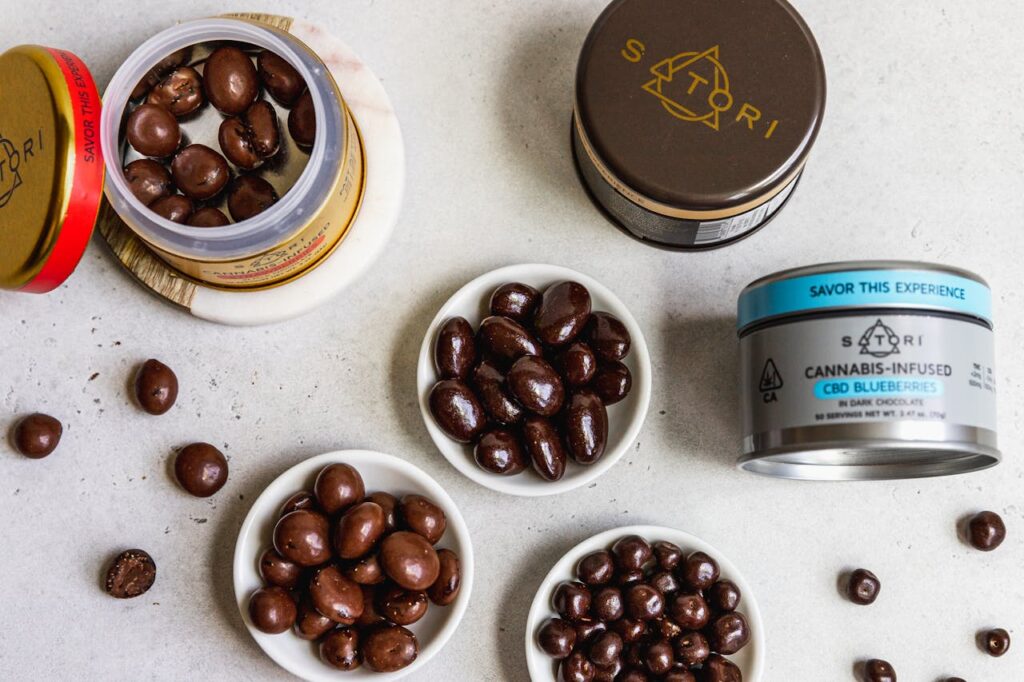
Medical patients have many options for cannabis consumption, and understanding the key distinctions between edible cannabis products and other methods is crucial. Edibles, such as chocolate, gummies, and beverages, refer to food or drinks laced with weed, offering a different experience than smoking or vaping.
- Edibles provide a smoke-free alternative, which can benefit patients with lung conditions or individuals who simply wish not to inhale anything. They can provide longer relief, ranging from 4 to 8 hours, making them a great option for those with persistent pain from arthritis or migraines. While smoking or vaping hits far quicker, its effects tend to wane in 1 to 3 hours, so it may not endure long enough for patients.
- Edibles are slower to start working. It can take 30 minutes to 2 hours before you experience any effect because the body has to metabolize them. This sluggish onset can push a few users into overconsuming, risking spiny side effects. Inhaled cannabis is fast, typically taking effect within minutes. This speed can benefit those who require speedy relief or prefer more control over their dose.
- Edibles dosing is wackier than smoking or vaping. Lab tests show that 1 mg of THC in an edible could be as much as 5.71 times stronger than 1 mg in smoked cannabis. That means patients need to begin with low doses. They recommend that most adult users begin with no more than 2.5 mg of THC in an edible. Other clinical trials with dronabinol, an oral version of THC, discovered that 2.5 mg is sufficient for some, but others require more.
- The risk profile varies as well. Edibles are associated with an increased risk of accidental consumption, primarily in kids. For instance, in Colorado, unintentional ingestion cases in children increased after edibles became more prevalent. Adverse effects from oral cannabis, such as nabixmols, are common, with the majority of reported side effects occurring in the initial month.
- Differences in taste. Some research indicates that most HIV/AIDS patients who tried both cannabis and dronabinol preferred to smoke. Still, almost 30 percent of marijuana smokers have sampled edibles or drinks, indicating that this approach does hold some merit.
Getting Started with Cannabis Edibles: What You Need to Know
Cannabis edibles 101 is about learning the dos and don’ts of safe and smart usage, especially for beginners cannabis edibles. With many countries having their own edible labels and handling guidelines, patients must tread carefully with these edible cannabis products. Below is a list of top points to keep in mind.
- Check the law on cannabis edibles in your location.
- Abide by any local regulations concerning the purchase, consumption, and storage of edibles.
- Avoiding Practicalities
- Store edibles away from kids and pets.
- Begin with the lowest dose you can and monitor your feelings.
- Never drive or use machines after eating edibles.
- Ask health experts for advice before use.
- Read packaging for ingredients, dose, and expiry date.
Legal Status
The laws on cannabis edibles, including marijuana edibles, are frequently updated. Medical cannabis is legal in many locations, but not all permit edible cannabis products. Certain jurisdictions restrict THC potency or serving size, especially for beginners cannabis edibles. If you reside in Europe, Asia, or Africa, be aware that laws can be more stringent than in North America. Always check local health departments or trusted legal sources. Purchase only from licensed sources like A Therapeutic Alternative. Medical patients should understand that despite having a doctor’s note, they are still restricted on how much they can possess or use publicly.
Proper Storage
Edibles, such as marijuana edibles and chocolate bars, must remain in sealed, air-tight containers to maintain their freshness and potency. If exposed, they lose zing and power. Always keep them in a high locked cabinet because kids and animals may consume them unknowingly, which can be dangerous. Additionally, label them plainly with edible labels to prevent confusion with regular snacks. Mark each container with the date and THC amount to ensure proper usage.
Professional Guidance
Consult knowledgeable staff at A Therapeutic Alternative before purchase. Start low (1-2.5mg THC), wait for effects, and track responses. Attend educational sessions or classes if available. Hold off on the munchies for at least 60 minutes after eating, as marijuana edibles can take 2 hours to work and last for over 8 hours. Check with your doctor if you are dealing with other health problems or medications, and consider attending local or online classes to learn more about edible cannabis products safely.
Final Remarks
To navigate edibles smartly, start with facts and a clear understanding of your health needs. Edibles act slowly but last long, so begin with a low dose and give it time. Check the dosage, read every label carefully, and look for trusted indicators of quality and safety. Consult your physician before introducing edibles into your treatment, and consider guidance from A Therapeutic Alternative to ensure you’re selecting products suited to your goals.
Choose what works for your lifestyle, not just what seems trendy or convenient. Edibles may hit hard or gently, so pay attention to your body’s responses each time. Take notes and treat each experience as a learning opportunity. Safe use begins with informed questions, open communication with healthcare professionals, and mindful experimentation.
Ready to go deeper or share your experience? Join the conversation in the comments below and explore insights from A Therapeutic Alternative.
Frequently Asked Questions
1. What Should Medical Patients Know Before Trying Edibles?
Go low and slow with your first dose of marijuana edibles, and wait at least two hours before re-dosing, as effects can take longer to hit than other methods. Consult your medical marijuana doctor to ensure that edible cannabis products are safe with your medications and health issues.
2. How Do Edibles Differ From Other Cannabis Methods?
Edibles, such as marijuana edibles and chocolate bars, are processed by your digestive system, resulting in a longer onset time but extended effects. This contrasts with inhalation or sublingual delivery methods, which act quickly but last for shorter durations.
3. Are Edibles Safe For Patients With Chronic Conditions?
Edibles, including marijuana edibles like chocolate and gummies, might be a fit, but check with your physician upfront regarding the right cannabis edibles for your health conditions.
4. What Is The Recommended Starting Dose For Medical Edibles?
A typical initial dose of marijuana edibles is 2.5 to 5 mg of THC, always start low and go slow while heeding your doctor’s advice.
5. Can Edibles Interact With Other Medications?
Yes, using edibles can interfere with certain medications like blood thinners or sedatives. Consult your physician or pharmacist before trying cannabis edibles.