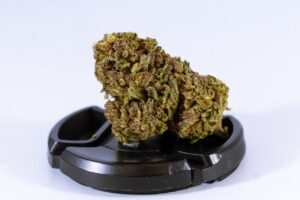

Knowing what questions to ask during a medical cannabis consultation assists individuals in receiving appropriate care and making intelligent decisions about their health. Others are curious about proper dosing, method of use, possible side effects, drug interactions, and how it might impact their condition. Others inquire about optimal cannabis consumption methods, pricing, and legal procedures as well. Straightforward responses from licensed providers assist establish actual aspirations and supply truths for safe use. Good questions help both the patient and the provider collaborate for the optimum result. The following section provides smart questions to ask and why each one is important during your medical cannabis consultation.
Table of Contents
ToggleKey Takeaways
- Developing a comprehensive overview of your symptoms, medical background and goals for treatment facilitates an effective consultation and allows for a more tailored medical cannabis strategy.
- By posing thoughtful questions about how medical cannabis might target your condition, its risks and benefits, and how it fits with current therapies, you’ll gain insight and be empowered to make an informed decision.
- Knowing the distinctions between cannabinoid profiles, product types, and consumption methods enables you to choose medical cannabis solutions that complement your specific health goals and lifestyle.
- Slow titrations and cautious monitoring of effects is the only way to maximize symptom control while remaining safe from adverse effects.
- Regular follow-up appointments and open communication with your healthcare provider are crucial for evaluating progress and making necessary adjustments to your long-term treatment plan.
- Staying abreast of legal regulations, insurance options, and support networks will guarantee that you’re using medical cannabis in a safe, compliant, and well-supported way no matter where you live.
Preparing Your Medical Profile
Your medical profile is the foundation of an effective medical cannabis appointment. It guarantees the provider has all the facts to align treatment options to your precise needs. Your profile should include your symptoms, previous treatments, medication usage, lifestyle, and treatment objectives. Armed with this information, you assist in minimizing risk, selecting optimal products and preventing side effects, such as drug interactions. Do not forget to factor in the legality of your medical cannabis consumption—such as card validity and possession limits in a particular state/city—when preparing.
Your Symptoms
Prepare a check-list with explanations for each symptom. Note the kind of pain, anxiety or other problems you experience. Give details on their frequency, duration, and severity. If you have headaches, mention whether they are daily, last for hours and how painful they are on a scale of one to ten.
Describe how it affects your day to day. If pain prevents you from working or taking care of family, communicate this. Record if symptoms vary with stress, nutrition or exertion. If bright lights or loud noises aggravate, include that.
Write down every trigger you are aware of. Even minor things, like what foods you’re eating or the weather, can assist your provider in selecting the appropriate strain or dosage. Longer symptom histories guide safe and effective treatment.
Your History
Note all the treatments you’ve attempted, from prescription drugs to herbal supplements. Note if they assisted or had side effects. If you’ve smoked before, discuss if it assisted or resulted in negative consequences.
Enumerate all of your current medications, including over-the-counter drugs and vitamins. Certain medications interact with cannabis and can lead to issues. Include family health history if you have related issues, such as anxiety or chronic pain.
A transparent medical history enables your provider to decide what to do next and identify risks promptly. It can identify which types of cannabis products to steer clear of.
Your Goals
Determine what you wish to achieve from medical cannabis. This might be less pain, better sleep, or less panic attacks. List your primary objectives and their metrics, such as hours of sleep or pain level per day.
Discuss what you anticipate regarding your turn around time and side effects you can tolerate. Include any lifestyle adjustments you’re looking forward to making, such as resuming work or social activities. Be willing to adjust your goals according to what works.
Key Questions for Your Consultation
Preparing for a medical cannabis consultation is about being able to ask direct, informed questions to get where you want to go. Zoom in on how cannabis can treat your unique health concerns, know the risks and rewards, and receive patient guidance through the process. Refer to these essential questions as you plan your visit:
- How will cannabis help my condition and daily life?
- What side effects or risks should I watch for?
- How will my progress be tracked and assessed?
- Are there legal issues or paperwork I should know?
- Will cannabis interact with my current medicines?
Your Condition
Query your provider as to how medical cannabis can alleviate your specific symptoms, such as chronic pain or insomnia. See what research or clinical evidence backs cannabis for your condition. Inquire whether other therapies—such as physical therapy or pharmaceuticals—may work with cannabis. Specify whether your diagnosis indicates you should be using a particular strain or product type (oils, capsules, etc).
Your Treatment
Request a step-by-step treatment plan: What dose should you start with? Would you test edibles, tinctures or vaporizers? Inquire how your therapy will be modified if you have special medical conditions or use other drugs. Talk about how long prior you should expect to see results, and what to do if you don’t. Get a sense of how frequent you’ll need follow-ups and how your response will be monitored.
Your Lifestyle
Talk about how cannabis use fits around work, school or driving. Request advice for handling side effects like drowsiness while maintaining your daily responsibilities. Find out if there are habits you should modify. Seek tips for discussing with family, friends, or coworkers regarding your consumption, particularly in locations where stigma or legal restrictions exist.
Your Safety
Get clear on drug interactions–especially if you take everyday drugs for heart, mental health or pain. Inquire what side effects are common, and what to do if you feel sick. Talk about what to do if there are strong or surprising responses. Revisit safe storage, dosing, and legal use rules for your location.
Your Progress
Inquire how your doctor will determine if you are getting better—should you rate your pain on a scale, or record alterations in sleep. Talk about red flags that warrant a check-in. Make clear how frequently to schedule follow-ups and how to contact your provider between visits, particularly if you have pressing questions.
Understanding Treatment Options
These medical cannabis consultations can be tricky, with every patient requiring a custom approach. The choices differ based on health objectives, past experiences, and the chance of adverse effects or interactions with other drugs. Patients should dig into questions that can help them get a grasp on cannabinoid profiles, consumption methods, and product sourcing. This guarantees a treatment plan that’s safe, effective and tailored to individual needs.
- THC: Often linked to pain relief, appetite stimulation, and psychoactive effects.
- CBD: Known for anti-inflammatory, anti-anxiety, and seizure-reducing properties, without causing a high.
- CBG, CBN, CBC: Minor cannabinoids under study for muscle relaxation, sleep, and mood regulation.
- Terpenes: Plant compounds that may boost or change the effects of cannabinoids.
- Profiles may be blended for general or specific therapeutic outcomes.
Cannabinoid Profiles
Have your provider educate you on the difference between THC and CBD, two primary cannabinoids with extremely different side effects—one can induce psychoactive symptoms, one rarely does. Talk to patients about minor cannabinoids like CBG and CBN, which might help with muscle relaxation, sleep or mood, and might be applicable depending on your condition. Terpenes, although not cannabinoids, usually influence the effect by cooperating with cannabinoids, so knowing their role may assist you in discovering a strain that aligns with your health requirements.
Learn to read labels for cannabinoid content. Product labels should display dosages of each primary cannabinoid, assisting you select strength and evade side effects. Request guidance from your provider on how to read these labels, as the absence of federal regulation can complicate the search for reliable information — particularly with hemp-derived offerings.
Consumption Methods
Vaporizing, smoking, edibles, tinctures and topicals are all options. Each method has its own onset of action, duration and side effects. For example, inhaled cannabis is fast acting but wears off quickly, whereas edibles have a delayed onset but last significantly longer. If you’re dealing with lungs, you don’t smoke – if you want topical relief, you slather on cream or ointment.
Inquire which method aligns with your objectives. If you need immediate pain relief, vaporizing may be your best bet. If you need a lasting effect for snoozing or chronic treatment, oral ingestion might be better. You should consider side effects, lifestyle fit and how each method affects your daily habits.
Product Sourcing
Safe, potent stuff typically comes from licensed dispensaries that post transparent lab results. Consult your provider for trusted sources, possible third-party lab testing and compassionate care programs available in your region. They might discount or support those with limited finances.
Talking about where to buy the product is important as unregulated sources might not ensure potency or purity and it might be unsafe! Patients should inquire regarding the risks of dependence, long-term effects, and possible interactions with other medications to confirm a responsible treatment plan.
Navigating Dosage and Effects
Navigating dosage and effects is at the heart of medical cannabis treatment. Personal variables—such as status, tolerance, and delivery—affect both the trip and consequences. A considered perspective, based on science and specific attention, helps establish achievable objectives and avoid damage.
Starting Dose
So it’s smart to inquire about what a low starting dose looks like in your case. For most, that’s approximately 5mg of THC orally, typically at dinner. Starting low mitigates undesirable side effects and allows your body to acclimate. Other conditions may necessitate lower or even THC-free products in order to be safe.
You’ll want to talk with your provider about how to adjust the dose if necessary. Each individual metabolizes cannabis at a unique pace and tolerance may develop. Common wisdom is to employ the “start low and go slow” approach, but it doesn’t suit everyone. For certain individuals, too slow an increase can postpone relief, whereas a rapid ramp-up can induce side effects.
Paths such as swallowing are slower however last longer, which is great for chronic symptoms. For quick relief, inhaled forms may do the trick, but fade sooner. Request a change-tracking plan, and log your feelings along the way. Rapid changes bury the best dose with the least risk.
Potential Effects
Therapeutic effects are a function of dose, product type, and your biology. For pain, sleep or anxiety, relief can occur in hours or days, and peak impacts take time to manifest. Inquire about wait times before adjusting.
Cannabis can have side effects, such as dry mouth, dizziness, or tiredness. Knowing these helps you catch problems at the onset. Treat them with fluids or dose adjustments. Monitor for positive and negative responses. Documenting your experience allows your practitioner to customize your regimen.
Tolerance and risk of addiction increase with higher THC concentrations. Keeping THC low can help manage this. Talk to your provider about what to know for signs of dependence and how to avoid it.
Activity Impact
Daily can change with cannabis. Some experience difficulty concentrating or feel unsteady. You’ll want to discuss how to keep up with work, school, or social life. Driving or operating machinery should not be done if you feel impaired.
Inquire about tips to manage usage and maintain alertness. Others do-split or restrict to the PMs. Talk about scheduling around critical work. Jot down your feelings at various times, and bring them to your next appointment.

The Long-Term Treatment Plan
A long-term medical cannabis treatment plan stretches well beyond that initial appointment. That means check-ins, diligent tracking, and periodic adjustments to achieve the optimal outcome with minimal risk. Medical cannabis is not one-size-fits-all, so the plan should suit your health requirements, medical history, and lifestyle. Ask about these basic steps when mapping out your care:
- Set up a schedule for follow-up visits.
- Determine what you and your provider will follow to track success.
- Discuss how frequently your plan would be reviewed and modified.
- Ask about mixing cannabis with other treatments over time.
- Discover ways to stay connected with your provider.
Follow-Up Schedule
Appointment Type | Frequency | Metrics Assessed | Preparation Tips |
Initial follow-up | 2–4 weeks | Symptom change, side effects, dosage tolerance | Track daily symptoms, note side effects, bring questions |
Routine review | Every 3–6 months | Functionality, lab results, mental health | Update symptom log, bring medication list |
As-needed check-in | Variable | New or worsening symptoms, urgent issues | Record changes, document new concerns |
Clinicians rely on symptom scores, quality of life and side effects. These help demonstrate whether cannabis is working or adjustments are necessary. Follow-up intervals are flexible—patients with more health fluctuations may require monthly visits, whereas stable patients can have longer intervals. Before visits, maintain a symptom diary and catalog new drugs or supplements. This makes the check-ins more informative for you and your provider.
Plan Adjustments
If cannabis isn’t working or you have new side effects, your plan should change. The dose or the delivery method of cannabis—oil, capsule, vapor, etc—might require fine-tuning. Sometimes a little dose performs better, sometimes we are safer using another product, particularly so we don’t build up a tolerance or dependence.
Inform your provider of any changes in how you feel. Transparent, truthful updates avoid triggering unwanted responses. Flexibility is THE KEY. A hard plan might not fit long-term needs because your body can alter its response, particularly with potential downregulation of CB1/2 receptors over time.
Medication Reduction
Pot may allow you to reduce your consumption of other drugs, but this must be a gradual and cautious process. Your provider should outline when and how you can begin reducing other medications. They’ll observe for rebound or recurrence of symptoms. Wean off medications only under stringent medical supervision.
Criteria for cutting back are stable symptoms, no harmful side effects, good lab results. Safety first, and your health provider should direct each step. Switching too fast can cause backsliding.
Beyond the Prescription
Medical cannabis consultations transcend prescription. Patients need to go beyond dosage and strain. They need to be aware of the legal environment, how to obtain products securely, and what assistance is accessible. For years, patients have turned to medical cannabis to reduce their drug use, specifically opioids. Cannabis can impact your work, your driving, and your insurance. At A Therapeutic Alternative in Sacramento, our team walks patients through safe use and assists in choosing the appropriate delivery method for cannabis, considering individual needs.
Legal Framework
In California, medical cannabis guidelines outline possession limits, valid medical cannabis cards, and rules for safe use. It is important to know if your card permits you to possess cannabis, in what quantity, and where.
Learn about your rights as a patient. In some cases, laws protect patients from employment discrimination or arrest, but cannabis remains illegal under U.S. Federal law. Always ask how to remain compliant with regulations. This includes understanding whether you can drive after use or how your employer views cannabis in your system.
Insurance Coverage
Medical cannabis is rarely covered by insurance, but there may be programs to help with costs. Always check if your insurance will cover any portion of your treatment, and ask about available cost-saving or compassionate care programs. If you must file expenses, inquire about the paperwork process and what documentation is required.
While cannabis reimbursement is uncommon, providers at A Therapeutic Alternative stay informed about pilot programs and any potential changes in regulations.
Support Systems
Support during treatment is essential. Patients need more than a provider—they often benefit from connecting with others coping with the same symptoms. At A Therapeutic Alternative, our Sacramento-based team can guide patients toward safe resources, support groups, and continuing education opportunities on cannabis use.
Educational courses and seminars on safe cannabis consumption may include dosage, methods such as oils, tinctures, or vaporizers, and how to recognize side effects.
Most importantly, maintain regular check-ins with your provider. These visits help identify side effects or drug interactions early and ensure your treatment remains effective and compatible with your evolving needs.
Conclusion
To maximize the value of a medical cannabis consultation, don’t hesitate to ask pointed questions. Bring your own notes, medical records and a list of medications. Be forthright about what you’re trying to accomplish. Inquire as to how cannabis could integrate with your other care. Discover which side effects to anticipate. Question how to monitor your advancement. Express any concerns you have. A good consultation with your doctor can prepare you for responsible treatment. Remain open and monitor your feelings. Stay current. Don’t quit educating! Want additional tips, get in touch or read further on our blog. Your health, your story.
Frequently Asked Questions
1. What information should I bring to a medical cannabis consultation?
Bring your medical history, current medications, previous treatments and symptom notes. This allows the practitioner to know what you need and to suggest the best options.
2. What questions should I ask about possible side effects?
Inquire about typical side effects, how to identify severe symptoms, and what to do in case you encounter them. Understanding this makes you use medical cannabis safely.
3. How will the healthcare provider determine the right dosage for me?
The provider takes into account your medical history, symptoms and past treatments. They might begin with a small dose, and tailor it according to your response and any adverse effects.
4. Can medical cannabis interact with other medications I take?
Yes, medical cannabis interacts with some medications. Be sure to share your full medication list with your provider to avoid such risks.
5. What types of medical cannabis products are available?
Inquire about the various forms — oils, capsules, topical creams. They all have their own advantages, onset time and duration.
6. How often should I follow up with my healthcare provider?
Consistent follow-ups ensure your progress is monitored, your treatment adjusted, and side effects managed. Your provider will recommend how frequently to return, depending on your needs.
7. Are there legal considerations I should know about?
Inquire about local laws and regulations pertaining to medical cannabis use, possession, and travel. Knowing these rules keeps you sane and out of the poky.
Looking for a Medical Cannabis Consultation You Can Trust?
For more than 10 years, A Therapeutic Alternative has been helping people find natural relief and greater balance through cannabis. We believe wellness starts with trust, and that’s why our focus isn’t just on providing access to cannabis—it’s on offering professional consultations where knowledge, compassion, and healing come together.
Located in the heart of Midtown Sacramento’s medical district, our team is here to guide you whether it’s your first time considering medical cannabis or you’re seeking deeper insight into its benefits. Our consultations are designed to answer your questions, help you explore your options, and find solutions that fit your unique health needs.
We make your visit simple and stress-free, with an ADA-accessible facility, parking right behind us, and free street parking nearby. What sets us apart isn’t just our experience—it’s our commitment to care, integrity, and making sure every person feels supported on their health journey.
Ready to learn how medical cannabis can become a trusted part of your wellness plan? Visit us at A Therapeutic Alternative today and take the first step toward a healthier, more balanced you.