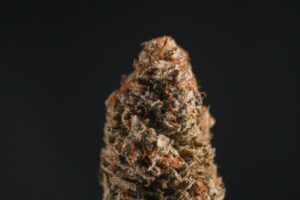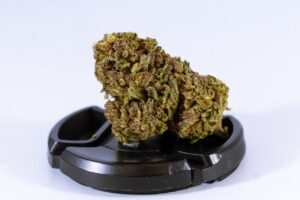

Indoor, outdoor, and sun-grown flowers are all grown differently, using different growing conditions. Indoor flower is grown in regimented environments with artificial lights, consistent temperature, and purified air that assist the plants in developing compact buds and pungent aromas. Outdoor flower grows in open fields, utilizing sun, soil, and the local climate, resulting in larger plants and typically more musky, complex scents. Sun-grown flower uses sunlight but can sometimes mix in greenhouse or light-deprivation to help control cycles. Each method evokes s different appearance, aroma, and impact in the final flower. To assist in untangling these decisions, the following sections clarify how each method influences flavor, potency, and cost.
Table of Contents
ToggleKey Takeaways
- Knowing the differences between indoor, outdoor, and sun-grown cannabis is important in making the right decision, as each has its own advantages and challenges that affect quality, price, and sustainability.
- Light sources are key to cannabinoid and terpene profiles, with outdoor and sun-grown plants absorbing all the benefits of natural sunlight for complex flavors and potency, while indoor plants benefit from precise artificial lighting that can control plant growth.
- Environmental factors like soil health, humidity, and temperature control impact yield, consistency, and the environmental footprint of cannabis cultivation, making sustainable practices imperative in both indoor and outdoor grows.
- The visual appeal, aroma, and effects of the final cannabis flower are closely linked to cultivation methods, making it important for consumers to evaluate product quality based on both appearance and cultivation transparency.
- Cost and sustainability concerns are all over the place, with outdoor and sun-grown cannabis typically demanding fewer resources and presenting lower production costs, while indoor-grown flower can command premium prices by delivering additional potency and consistency.
- Tastes still play a significant role in cannabis choices, and users should continue to try different strains and growing methods, seek advice from informed professionals, and support A Therapeutic Alternative for open and ethical standards.
The Three Cultivation Worlds
Cannabis cultivators utilize three primary methods: indoor, outdoor cannabis growing, and sun-grown (mixed light/greenhouse). Each cultivation method influences the plant’s growth, expense, quality, and environmental impact, making it essential to evaluate the key benefits of these distinct approaches.
1. The Light Source
Indoor grows utilize artificial lights, including HID, LEDs, and fluorescent lights, allowing cultivators to establish precise light cycles. This management aids in enhancing THC and terpene content, making the impact more flavorful and pronounced. In contrast, outdoor cannabis growing and sun-grown cannabis benefit from direct sunlight, which varies with the changing seasons. The sun’s full spectrum is optimal for developing rich terpene profiles and natural flavors in cannabis plants, though yields can be inconsistent due to weather conditions. Mixed light setups utilize both sunlight during the day and lamps to fill gaps, providing a balance between total control and natural growth.
2. The Environment
Temperatures, humidity, and CO₂ are held steady in controlled indoor grow facilities, leading to stable yields and fewer pests. While indoor cannabis cultivation can produce compact, dense buds, it also burns more electricity. In contrast, outdoor cannabis growing relies on natural soil conditions, local precipitation, and climate. The sungrown cannabis plants can combat pests with assistance from beneficial insects, and the soil imparts distinctive characteristics. Weather changes can damage crops, making results more volatile. Greenhouses blend the advantages of both methods, shielding crops while utilizing sunlight for sustainable cannabis farming.
3. The Final Flower
Indoor-grown buds often appear even, covered in dense trichomes with a shiny appearance. While indoor cannabis cultivation may yield smoother flowers, outdoor cannabis growing allows for a wider terpene and cannabinoid profile influenced by sun and soil. Sun-grown cannabis can provide unique flavors and experiences molded by its natural environment. Many appreciate indoor flowers for their punch, but some prefer outdoor cannabis samples for their organic notes and affordability.
4. The Cost
Indoor cannabis cultivation is more expensive due to the costs associated with grow lights, climate control, and labor. In contrast, outdoor cannabis growing and sungrown cannabis plants require less electricity and equipment, resulting in lower prices. While indoor setups may offer higher potency and appearance, outdoor farms attract cannabis fans looking for economical options.
5. The Footprint
Indoor grows consume a lot of energy, primarily for lighting and climate control, whereas outdoor cannabis growing and sungrown cannabis benefit from natural sunlight, resulting in a lower carbon footprint. Sustainable cannabis farming practices like rainwater utilization and organic soil cultivation further minimize environmental impacts.

Inside The Grow Room
Indoor cannabis cultivation shines in its control over plant growth conditions, benefiting from technological innovations of the last twenty years. Unlike outdoor cannabis growing, where weather and the elements can shift at any minute, indoor growers can dial in light, temperature, humidity, and even CO₂. This degree of control significantly influences the ultimate look, strength, and uniformity of the harvest.
Precision Control
Indoor growers deploy advanced sensors and automated controls to maintain temperature and humidity levels within tight bands, typically between 20-27°C and 50-60% relative humidity. This keeps away mold and pest problems, which are more difficult to control outdoors.
With complete control, growers can increase carbon dioxide at critical growth points, having a direct impact on THC levels, typically producing a more potent product. Since indoor facilities are closed, outside contaminants and pests are reduced. Growers can simulate sunlight with LEDs and other lights, even running them for 18 hours a day. Regular light schedules produce the same cannabinoid and terpene profiles batch after batch, allowing brands to provide dependable products to international markets.
Notwithstanding these benefits, indoor cultivation struggles to thrive over extended cycles and requires significant energy for lights, HVAC, and ventilation.
Visual Appeal
Indoor cannabis is sometimes valued for its ‘bag appeal’, dense, uniform buds with sparkling trichomes and intact structure. Thanks to the precise, controlled setting and additional care throughout drying and curing.
Outdoor buds, bathed in sunlight, can be larger and more chunky, but may appear less uniform or bear weather scars. Trichome coverage, which impacts both potency and aesthetics, tends to be more apparent under controlled lighting. Sun-grown flowers can often have a more varied-smelling and colored appearance, because of the elements.
A lot of people go by appearance, believing that a frosty, colorful flower is of better quality, even if the effects don’t necessarily vary.
Resource Use
Indoor farms consume more electricity for lighting and environmental control, whereas outdoor farms depend primarily on sunlight and rain. Water use is greater inside, but setups can reuse runoffs and reduce loss.
- Drip irrigation to cut water loss
- LED lighting for less power use
- Biological pest control
- Rainwater harvesting
- Closed-loop nutrient systems
Resource choices shape the cost, quality, and supply of cannabis.
Embracing The Elements
Outdoor cannabis farming utilizes the earth’s original equipment, such as sun, soil, and weather, to fuel plant development. These aspects influence the plant’s chemistry and directly impact aroma, flavor, and potency. Understanding how these forces affect one another highlights the advantages of sungrown cannabis, making it highly coveted by many cultivators and cannabis fans.
Natural Vigor
Being outside in the elements forces the cannabis plant to be all it can be, big and strong. Set in living earth, alive with microbes and worms, roots absorb nourishing minerals that bolster plant strength. This living system promotes plant immunity and fuels growth that can’t be replicated in synthetic media.
Sunlight provides a full spectrum of light that plants have adapted to utilize. It powers photosynthesis at its innate tempo and sustains the complete unfolding of cannabinoids. Outdoor weed still has to withstand wind, rain, and pests. This stress can toughen plants and cause them to produce protective chemicals, which can result in higher potency or resilience.
Terpene Expression
Local conditions influence the taste and smell of cannabis, its terpene profile. New months, warmer days, cool nights, and unique soils all have a hand. Certain outdoor strains develop unique flavors that you won’t see in indoor flower. These variations can be attributed to humidity, hours of sunlight, and even altitude.
Terpenes are much more diverse in outdoor-grown plants, as stress from the elements promotes a wider variety. In certain blind taste tests, outdoor weed scored higher in flavor and aroma, demonstrating the practical benefit of this diversity.
Seasonal Limits
Outdoor farming is vulnerable to the seasons. It grows in the spring, flowers in the summer, and harvests before frost. A flash storm or drought, or pests can throw off the cycle. Strategy is essential, but there’s still danger. A poor season can decimate profits or reduce quality.
Indoor grows bypass these constraints with managed light and temperature, so they reap year-round. This consistent flow aids in evening out prices and supply, whereas field crops are restricted to an annual or bi-annual season. The trade-off is that indoor growing is more expensive, and some will say it doesn’t have the character of outdoor bud.
What Is Sun-Grown?
Sun-grown cannabis refers to cannabis that is planted in the ground, exposed to natural sunlight. This outdoor cannabis growing method allows plants to adhere to the earth’s inherent light patterns and seasonal transitions, enabling them to grow more naturally. Such growth can translate into a wider terpene spectrum and distinct cannabinoid profiles. Sun-grown is one of the two main methods by which cannabis is cultivated, the other being indoor cannabis cultivation. Growers opt for this method due to its cost-effectiveness and environmental benefits, yet it does come with challenges like climate and weather limits that can curtail the growing season, especially in colder climates. As the cannabis world matures, there’s increasing interest in cannabis appellations, where specific regions become known for certain characteristics based on their distinctive climate and soil. Sun-grown supports sustainable cannabis farming practices and reduces the environmental footprint of cannabis cultivation.
Greenhouse Power
Greenhouse cultivation blends the advantages of both indoor and outdoor growing. It utilizes sunlight as the primary source of light, while the transparent structure protects plants from severe weather. This hybrid environment allows growers to regulate temperature, humidity, and pests while still benefiting from outdoor cannabis growing. Greenhouses extend the growing season for growers, even in locations with chilly winters, making them a sustainable cannabis farming option. Technology plays a big part; automated ventilation, climate control, and supplemental lighting all help boost yield and quality. By mixing these ingredients, greenhouse-grown cannabis can maintain low prices and still hit premium quality, often competing against both indoor grow facilities and clean outdoor crops.
Light Deprivation
Light dep, or light deprivation, is a method used in outdoor cannabis growing where growers cover plants to exclude light, then open the cover at predetermined schedules. This technique tricks the plant to bloom sooner or at more consistent intervals, enhancing the efficiency of cannabinoid production. With this method, cultivators can better time their harvests for optimal potency and output. The central advantage lies in extending or adjusting the growing season, allowing for multiple harvests a year or dodging inclement weather, making it an essential practice in sustainable cannabis farming.
The Myth Of “Better”
No one style of outdoor cannabis growing will always be superior. Opinions on quality often stem from myth or fashion rather than reality. For many, the belief that indoor cannabis cultivation guarantees better quality is strong. Research and real-world evidence show that the truth is more nuanced, particularly in terms of sun-grown cannabis.
Potency Vs. Profile
Indoor pot frequently measures higher in THC. It does. Potency isn’t the only thing that matters. Outdoor and sun-grown cannabis can have rich terpene profiles, which can enhance flavor and aroma. Others find that outdoor plants may actually generate more terpenes due to light and soil factors.
Cannabinoids and terpenes operate synergistically. This effect is known as synergy. A flower with balanced THC and minor cannabinoids such as CBG or CBC can provide a smoother experience than straight high-THC indoor buds.
Yes, while minor cannabinoids have a role to play in how the flower impacts the body, they assist with sleep, pain, or mood, even when THC is not as elevated. Outdoor-grown grows tend to display a broader variation in these compounds.
Potency by itself doesn’t promise a good ride. A blend of cannabinoids and terpenes can translate into more to taste, smell, and effect than THC percentage.
Your Personal Preference
Checklist for buyers:
- Decide what effects you want (relax, focus, energy, sleep).
- Choose flavors you like: earthy, citrus, floral, or spicy.
- Sample both indoor and outdoor strains and see what the differences are.
- Ask for lab results about cannabinoids and terpenes.
Experimenting with different strains from all grow styles aids in discovering what works best for each individual. Don’t simply select by statistics or appearance.
Others favor the appearance oan f indoor bud, tight and glossy. Some prefer the flavor and aroma of outdoor or sun-grown. Both can be good.
In-store consultations with trained staff at A Therapeutic Alternative can steer purchasers. We assist in tailoring effects and taste to your preferences and goals.
Check A Therapeutic Alternative’s online menu to see what’s available. Our site allows you to filter by cultivation method, strain, or effect. This saves time and helps you explore what to try next.

Finding Your Perfect Flower
Choosing the right cannabis flower involves examining how it’s cultivated, the strain, and what you desire from your high. Genetics establishes the foundation for how a flower will behave and taste, while the environment, in terms of both location and cultivation practices, refines those characteristics. Indoor grow facilities allow greater control of light, water, and air, resulting in uniformly appearing buds with compact forms and intensified coloration. For folks looking for a flower that never changes, or who are concerned with appearance, indoor cannabis cultivation is a solid choice. Outdoor cannabis growing and sun-grown plants receive full sunlight and experience more natural weather variations, which can make their buds richer in smell and flavor due to higher terpene levels. While these flowers may be sun-scorched and less neatly shaped, many claim the taste is worth the trade-off.
The setting leaves a significant impression on the quality of cannabis products. Sunlight encompasses a broader spectrum of light than indoor lamps, which can induce more complex aromas and effects. Variations in heat, moisture, and sun exposure in outdoor cultivation impact the flower’s development. Individuals who enjoy robust scents or prefer a more “natural” product generally opt for outdoor or sun-grown cannabis. If you want to experiment with flavors, exploring the terpene profile is essential, as many outdoor cannabis samples offer a wider variety. Everyone’s tastes differ, and what works for one person might not work for another, making it crucial to test small quantities of various strains.
A good budtender can help trim your search. They know what the shop carries, and can highlight options based on your preferences and requirements. Check your local dispensary’s online menu to see what’s available. Most sites allow you to filter by cultivation method, strain, or effect. This saves time and teaches you what you may want to test next.
Final Remarks
So in conclusion, each style, indoor, outdoor, and sun-grown, has its benefits. Grow rooms provide close control, so cultivators can influence the plant’s appearance. Outdoor grow allows plants to flow with nature, frequently exhibiting deeper contours and aromas. Sun-grown plants absorb the entire light spectrum, resulting in intricate aromas and solid development. There is no one way. Some adore the crisp shave and flavor of indoor crafting, others the hard spices from sun and earth.
Mix up your flowers. Ask questions at A Therapeutic Alternative or chat with our growers. Let your own nose be your guide. Each plant has its own tale. Discover what suits your vibe and requirements. Keep studying, keep experimenting. Your top breed is waiting.
Frequently Asked Questions
1. What Is The Main Difference Between Indoor, Outdoor, And Sun-Grown flowers?
Indoor flower is cultivated inside, under controlled circumstances, while outdoor cannabis growing thrives in the sun and natural elements. Sungrown cannabis, typically grown outdoors or in greenhouses, benefits from abundant sunlight.
2. Do Indoor Flowers Have Higher Quality Than Outdoor Or Sun-Grown?
Not necessarily. Quality is influenced by genetics, care, and the growing environment. While indoor grow facilities offer control, outdoor cannabis growing and sungrown cannabis can yield exceptional flowers with distinct flavors.
3. Is Sun-Grown Flower More Environmentally Friendly?
Yes, sungrown cannabis has a smaller footprint than energy-intensive indoor grow operations.
4. What Are The Main Benefits Of Indoor Cultivation?
Indoor growing offers tight control over light, temperature, and humidity, which can enhance the potency and uniform quality of cannabis plants compared to outdoor cannabis growing.
5. Do outdoor Or Sun-Grown flowers taste Different?
Yup, outdoor cannabis growing and sun-grown buds can have some pretty unique flavors and aromas. The great outdoors and sunbeams enhance terpene production, creating wild sensory experiences.
New To Cannabis Flower? We’ll Help You Feel Confident From The First Step.
Finding the right cannabis flower shouldn’t feel overwhelming. At A Therapeutic Alternative in Sacramento, we offer personalized, judgment-free guidance to help you choose strains that truly match your needs, whether you’re easing into cannabis for the first time or refining your wellness routine.
Our experienced consultants and cannabis-trained nurses take time to understand your goals, explain how different strains and terpene profiles affect the body, and guide you toward options that fit your lifestyle. From calming indicas to energizing sativas and balanced hybrids, we’ll help you make sense of it all, no guesswork, no wasted product.
You’ll leave your consultation with clarity, confidence, and a personalized plan that grows with you.
Meet with us in person, by phone, or on Google Meet. Let’s find the cannabis flower that fits you, so you get the results you’re looking for, without the stress.