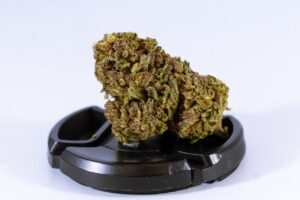

Those seeking to leverage medical cannabis to address health concerns, should book a medical cannabis consultation. Individuals with chronic pain, anxiety, insomnia or other issues frequently require this type of guidance. A medical cannabis consultation helps you know if cannabis is right for you. During the initial consultation you discuss your health, medications you take, and lifestyle with a physician. The doctor sees whether cannabis can help, discusses alternatives, and answers your questions. Confidential and designed to align your care to your needs. To assist you in visualizing what to expect, the following sections of this post will walk through every step and address frequently asked questions.
Table of Contents
ToggleKey Takeaways
- If you’re living with chronic pain, dealing with a mental health concern, in palliative care or have previously had little success with traditional therapies — a medical cannabis consultation is for you.
- In-depth consultations combine health review, goal-setting, education, and tailored treatment planning to keep you safe and legal.
- Building a case for your appointment with proper medical records, an appropriate medication list, and willingness to answer personal questions will help you receive the best evaluation and advice.
- There are great advantages to booking a medical cannabis consultation, including personalized attention, expert guidance, and added security that centers around effectiveness and wellbeing.
- Selecting a trusted source with the appropriate expertise, patient-focused approach, and strong testimonials is critical to getting effective treatment and continued guidance.
- Routine check-ups and transparent dialogue with your doctor are important aspects of refining treatment and supporting long-term wellbeing through cannabis therapy.
Who Should Book a Consultation?
A medical cannabis consultation is for people who need guidance on whether cannabis can address their health needs. The consultation offers personalized guidance considering individual health background and state laws. Booking a consultation is suitable for:
- Individuals considering medical cannabis for health issues
- Patients experiencing daily disruption from chronic conditions
- Those who have not found relief from standard treatments
- Mental health patients considering cannabis for anxiety, depression, or PTSD
- Palliative care patients seeking symptom relief and comfort
- Anyone seeking natural alternatives to traditional medicine
- Individuals unsure if medical cannabis suits their needs
Chronic Conditions
Medical cannabis could assist with chronic pain symptoms, providing a fresh alternative for those suffering persistent aches. This applies to individuals suffering from ailments such as arthritis, fibromyalgia, or chronic headaches. For others, standard painkillers don’t work or cause side effects, and cannabis may be a useful complement or alternative.
Neurological patients—such as those with multiple sclerosis or epilepsy—occasionally find cannabinoids can help mitigate spasms or seizures. Doctors tend to review the complete medical history in order to determine how cannabis can complement current treatments. In most cases, the intention is to have cannabis be a part of a broader plan, not to supplant all other medications.
Mental Health
Others rely on medical cannabis for anxiety or depression, particularly when other treatments have failed. Researchers continue to explore the impact of cannabinoids on mood and stress response.
For those with PTSD, some cannabis strains may help alleviate symptoms of flashbacks or insomnia. Because everyone’s reaction varies, a consultation assists in pairing symptoms to the appropriate formula. Patient stories tend to emphasize both the positives and the limits, so a professional opinion is helpful.
Palliative Care
For the terminally sick, cannabis can calm pain, nausea, and anxiety. It is on occasion used in hospice if comfort is the goal.
Care teams can often construct personalized plans, titrating cannabis doses to enhance quality of life. Compassionate cannabis use continues to grow, because it gives patients more control over their comfort.
Ineffective Treatments
Patients who have tried numerous medications and continue to suffer are encouraged to come in and at least discuss options with cannabis. In other cases, cannabis provides a different route for symptom relief.
Open discussions with physicians regarding previous therapies are crucial to discovering the appropriate strategy. There are real-life cases of patients who improved after turning to cannabis when all else failed.
Quality of Life
Many patients seek consultations to see if cannabis can enhance daily well-being, assist with sleep, or improve appetite. Others experience enhanced energy and mood, resulting in a better quality of life.
Patient stories are informative, but a consultation defines specific, personal objectives for cannabis treatment. These discussions examine any dangers or side effects to ensure decisions are secure and well-informed.
The Consultation Process Unpacked
They’re set up to make medical cannabis consultations safe and effective. The consultation process, medical and legal, is comprehensive and personalized. Below are the main steps in the consultation process:
- Patients begin with an initial evaluation with a licensed practitioner. We begin this consultation by discussing what are the patient’s primary health concerns and symptoms, and the broader objectives he or she has for feeling well.
- Medical records from the last 12 months are usually required, as proof of eligibility. These papers aid physicians get a concept of previous medical diagnosis and treatments.
- Patients and providers discuss how these medical conditions impact daily life and which qualifying diagnoses (such as epilepsy or MS) may make them eligible for cannabis therapy.
- The legal landscape of medical cannabis use is covered, along with state guidelines and card renewal regulations. This ensures compliance and patient safety during treatment.
Health Review
A complete health history is taken to inform treatment. This covers previous maladies, operations as well as specifics on present health problems. Providers evaluate what previous treatments have been effective and what symptoms persist. They examine lifestyle factors such as diet, exercise, and sleep. These may impact the efficacy of cannabis for the patient. Any medical conditions that may contraindicate cannabis are noted for safety.
Goal Setting
Therapists and patients collaboratively establish treatment goals. This might encompass talking about what the patient is looking to accomplish, pain relief or catch a little more sleep. Patients share their own health priorities. By laying the ground rules early, you can both set realistic expectations and scale milestones in an appropriate way.
Personalised Education
Instruction is an important component of each consultation. Patients educate themselves on various strains and their effects. Dosing and method of use (oral, topical etc.) are described. We cover potential side effects and drug interactions, particularly if the patient is on other medications. This step aids people in making decisions that align with their requirements and health.
Treatment Plan
A personalized treatment plan is constructed from this information. Dosage, frequency and method of use are charted. Follow-up visits — typically every 2–4 weeks — are scheduled to track progress. Once stable, we might suggest quarterly reviews. Schedules are optimized for compliance with laws and patient safety, and yearly card renewals are addressed as necessary.
Preparing for Your Appointment
A seamless medical cannabis consultation begins with smart preparation and open communication. Patients from all backgrounds can see the value in an intake before their appointment. Arriving with the right paperwork, symptom tracking, and targeted questions let patients and providers collaborate for personalized care. The following checklist can guide preparation: gather medical records, create a current medication list, document symptoms in a daily journal, list questions for your doctor, and familiarize yourself with common cannabis consumption methods. Employing symptom tracking instruments, like pain outcome forms or sleep scales, can likewise provide a sharper snapshot of your day-to-day struggles and strides.
Medical Records
Accurate medical records serve as the backbone of the consultation, providing context for your health journey and helping your provider understand underlying conditions. Up-to-date documents—covering diagnoses, lab results, and previous treatments—allow for a more targeted evaluation. If you have consulted other healthcare providers, request copies of those records, including imaging reports or neurologist notes, to bring to your appointment. This ensures all relevant information is available. Reliable documentation allows the physician to assess whether cannabis fits into your care plan, taking into account chronic conditions or relevant allergies. All records shared are protected by privacy laws, and clinics handling these documents are bound by strict confidentiality protocols.
Medication List
Bring an accurate list of your medications – prescription, over-the-counter, and herbal remedies. Record the dose, how often you take each and what you take them for. This assists your provider identify any potential interactions or synergies, considering that compounds like THC can interact with close to 400 medicines and CBD with more than 540. Recording your previous reactions — any allergies, side effects or lack of efficacy — can help inform future decisions. Add supplements and vitamins, like fish oil or magnesium. This visibility helps steer clear of dangerous drug interactions and facilitates safer management of care.
Personal Questions
During the consultation, anticipate being asked about your day-to-day habits, mental health, and past experiences with cannabis or other treatments. Be prepared to talk about sleep, stress, exercise and how symptoms affect your life. Speak candidly about any hesitations you have surrounding cannabis use, such as stigma, side effects, or legal issues. These conversations enable a more thorough knowledge of your requirements and contribute to forming practical treatment objectives. Your candid responses assist in customizing the strategy, making sure advice aligns with your unique context and style.
Understanding Consultation Benefits
A medical cannabis consultation provides immediate tangible benefit for anyone considering this form of treatment. When patients book a session with a licensed healthcare provider, they get expert advice specific to their health needs. They shield themselves from confusion or abuse — a frequent danger in handling THC’s mind-altering properties. A consultation isn’t simply gatekeeping — it is a process to evaluate a patient’s diagnosis, treatment history and lifestyle before determining if medical cannabis is an appropriate and safe option. This method acknowledges that cannabis is not a cure-all, and the correct strategy varies with a person’s unique demands and ailments. Patients discover the various methods of consumption, the benefits they can realistically anticipate, and how to steer clear of undesirable side effects.
Safety
Licensed providers adhere to rigorous clinical thresholds when providing care during consultation to ensure patient safety. They begin with a thorough review of medical history, symptoms and past treatment reactions. This helps identify potential medication interactions or safety concerns associated with cannabis, such as addiction potential or adverse effects.
Using only authorized healthcare professionals for cannabis evaluations is vital. They know the legal and medical guidelines and can flag red flags early. Patients get advice on safe dosing, potential side effects, and how to use medical cannabis in a way that fits their lifestyle but does not cause harm.
Close monitoring and follow up. Providers inquire about symptoms, daily behaviors, and even psychological health. Regular check-ins help identify issues early. Patients can provide feedback, which tunes the plan to keep them safe over time.
Efficacy
Robust evidence backs medical cannabis for a few conditions, such as chronic pain or specific neurological diseases. The outcomes are all over the map. These personalized plans, developed during the consultation, boost results by aligning the appropriate product and dose to the patient’s needs.
Research emerging research is broadening our knowledge. Patients are encouraged to share their experiences and outcomes, which contributes to developing additional evidence and fine-tuning treatment on an ongoing basis.
Guidance
Expert advice doesn’t end at your initial consultation. Ongoing support, regular check-ins, etc, help adjust treatment as needed. We want our patients to ask questions and express concerns at any time.
Trusted providers provide resources for additional education. Understanding more about cannabis, its effects, and safe use benefits the patient in making informed decisions.
Legality
Laws for medical cannabis are complicated and vary location. PS providers walk you through the legal process, such as how to get a medical cannabis card. They even emphasize the importance of complying with local regulations and specify what privileges and responsibilities accompany usage.

Choosing a Reputable Provider
Finding where to get a medical cannabis consultation is an important decision for anyone looking into this health avenue. The right provider not only ensures medical and legal compliance, but supports patient safety, informed consent, and continued care.
- Confirm the provider’s credentials and licensing status
- Assess their experience with cannabis-based therapies
- Check for transparent, patient-focused treatment processes
- Review patient feedback and provider reputation
- Look for ongoing education and up-to-date knowledge
- Consider appointment flexibility, including online options
Credentials
A provider’s credentials are the first place to look. Only licensed healthcare providers can legally recommend or prescribe medical marijuana. This implies the provider is medically licensed and preferably has specialized certification or experience in cannabis treatment. Be sure to inquire about their training and experience with cannabis therapy. Background treating such patients — especially those who use the same medications — provides an additional margin of confidence.
Continuing education is key. Medical cannabis is an emerging field with new research and clinical guidelines published annually. A good provider keeps up by attending workshops, reading peer-reviewed literature and engaging in professional forums about cannabis medicine. This dedication keeps their guidance both secure and efficient.
Approach
The provider’s philosophy should be patient-centered. Thorough care is more than just a prescription. Find a provider who cares enough to learn about your medical history, current prescriptions, and objectives for treatment. A professional will conduct an evaluation, where they review your symptoms and previous therapies.
It’s important to communicate. If a provider appears hurried, guarantees fast results or won’t address your queries, that’s a warning sign. You should feel at ease talking with them about your concerns or preferences–be it dosage, product type, or potential side effects. The best will answer your questions and walk you through potential risks and benefits, weaving cannabis into a larger plan for your health.
Flexible scheduling–such as online consultations–can assist patients requiring discretions or suffering from mobility restrictions. Providers that value patient time and provide digital support usually construct a more seamless care journey.
Reviews
Patient reviews and testimonials provide authentic perspective into a provider’s reputation. Reading positive and negative reviews helps you get a sense of consistency in care, professionalism and patient experience. In-depth reviews will tell you if the provider answers your questions, if the staff is helpful and if the process for obtaining a prescription isn’t hidden.
Take into account the attitude and verbiage of reviews. Repeated gripes concerning hurried visits or vague answers cannot be dismissed. Meanwhile, kudos for patient education and support bolsters faith in the provider’s care quality.
A solid reputation, based on documented patient reviews and word-of-mouth, is usually a good sign that you’ll be provided safe, effective and caring care.
Beyond the First Visit
Continuing care is an important component of medical cannabis treatment. Beyond the initial visit, follow up meetings are huge. These aren’t just check-in visits. They assist patients and providers alike to see what works and what doesn’t. At every follow-up, your provider looks at how you feel, checks your symptoms, and may adjust your plan. The objective is to tailor the therapy to your shifting needs. That’s why a lot of clinics establish a review cycle, every few months or annually.
Tracking yourself is a huge assist, as well. Patients sometimes maintain a diary of symptoms, side effects and medication usage. This history reveals what evolves. It provides the provider real information to work with. For instance, maybe someone experiences less pain after adjusting the dose or swapping how they take cannabis—from drops to capsules. Observing this assists the practitioner in observing what is effective. This implies that if side effects pop up, they can be identified and addressed sooner.
Tweaking the treatment plan is typical. Medical cannabis isn’t one-size-fits-all. Others require more, less, or a new method of administration. Or maybe someone starts with oil but switches to a vaporizer if they get better results. For others, they’re going to have to go through some trial and error with various strains/mixes. These adjustments are informed both by what patients report to their provider and what they write down in their journals. Good care is to make these changes in small, cautious increments and to check frequently for effect.
Long term is more than a handful of visits. A lot of clinics have an annual subscription. Patients have convenient access to care, support, and updates whenever they need it. Continued encouragement is important as well. A few clinics provide emails with updates, tips, or reminders to help patients stay on track. School is on this, too. Patients receive guidance on new research, safe use, and tips to optimize outcomes. This assists everyone get the maximum from their treatment.
Conclusion
Medical cannabis consult booking serves individuals with enduring pain, challenging sleep, stress, or health requirements unaddressed by standard care. Crisp processes direct you from initial call to follow-up. Doctors review health, discuss options and answer questions. You walk away with safe use information and tangible next steps. Quality clinics talk you through regulations, assist with paperwork, and follow you beyond your initial appointment. Each step prioritizes your interests. Looking for a plan that suits your lifestyle? Booking a consultation means getting real answers and real help. Game to give it a shot? Locate a trusted clinic and discover how expert care can iron the road. Your health deserves a team that listens and acts.
Frequently Asked Questions
1. Who should consider booking a medical cannabis consultation?
If you experience chronic pain, anxiety, or have trouble sleeping – or if you suffer from any other medical condition that can be treated with medical cannabis, you should book a consultation with a qualified provider.
2. What happens during a medical cannabis consultation?
A physician examines your medical background, talks about your symptoms, and educates if medical cannabis could assist. Medical cannabis experts answer your questions and guide you on next steps.
3. How can I prepare for a medical cannabis consultation?
Collect your records, make a medications list and jot down your symptoms and questions. This details the provider to understand your needs.
4. What are the benefits of a medical cannabis consultation?
You get professional recommendations, a personalized treatment plan and legal access to medical cannabis when appropriate. This consultation makes sure you use cannabis safely and effectively.
5. How do I choose a reputable medical cannabis provider?
Seek out licensed physicians with medical cannabis experience. Look at reviews, credentials, and local regulations governing medical cannabis use.
6. Do I need to bring anything to my first consultation?
Bring your ID, medical records, and medication list. This aids the provider in making educated recommendations for your treatment.
7. What happens after my first consultation?
Visit and you might be provided with a prescription or medical cannabis recommendation. Follow-up appointments can be booked to stay on top of your progress and refine your treatment.
Looking for a Medical Cannabis Consultation You Can Trust?
For more than 10 years, A Therapeutic Alternative has been helping people find natural relief and greater balance through cannabis. We believe wellness starts with trust, and that’s why our focus isn’t just on providing access to cannabis—it’s on offering professional consultations where knowledge, compassion, and healing come together.
Located in the heart of Midtown Sacramento’s medical district, our team is here to guide you whether it’s your first time considering medical cannabis or you’re seeking deeper insight into its benefits. Our consultations are designed to answer your questions, help you explore your options, and find solutions that fit your unique health needs.
We make your visit simple and stress-free, with an ADA-accessible facility, parking right behind us, and free street parking nearby. What sets us apart isn’t just our experience—it’s our commitment to care, integrity, and making sure every person feels supported on their health journey.
Ready to learn how medical cannabis can become a trusted part of your wellness plan? Visit us at A Therapeutic Alternative today and take the first step toward a healthier, more balanced you.