
Table of Contents
ToggleKey Takeaways
- How to tell the difference between indica, sativa, and hybrid cannabis strains. Indica, sativa, and hybrid cannabis strains each provide their own special experiences with the body and mind.
- Cannabinoid and terpene content is what really matters. These compounds, not simply whether a strain is indica, sativa, or hybrid, define its effects, therapeutic potential, and aroma.
- Background in cannabis’ natural history and biogeography has influenced the growth cycles, morphology, and chemistry of contemporary strains, making context relevant for educated choice.
- Hybrid strains combine the best of indica and sativa, enabling you to customize your experience based on your goal, be it recreational, creative, relaxing, or certain relief.
- Putting your faith in indica or sativa tags is a mistake. Your own biochemistry, objectives, and a close reading of lab-tested strain profiles should lead your decision.
- Start with a destination in mind, begin at small dosages, and titrate while always focusing on educated choices through detailed strain data and your personal feedback.
What’s the real difference between indica, sativa, and hybrid strains? You’ll notice indica strains frequently have broad leaves, low height, and invoke a sedating or sleepy experience. Sativa plants are tall with narrow leaves and can provide a more energetic or cerebral effect. Hybrids combine the two, so you could get characteristics from both in a single plant. As you can see, some hybrids lean more toward one type or the other, while others divide almost down the middle. If you’re selecting a strain, knowing these fundamentals aids you in aligning what you desire — be it a specific effect or plant behavior. You’ll find more specific information on each type in the sections below.
The Real Difference Between Strains
Cannabis strains are often sorted into three main types: indica, sativa, and hybrid strains. Each cannabis type refers to a group of characteristics, but it’s crucial to understand that these terms may not always be accurate predictors of impact. You might think you’re getting a specific high, but with poor oversight and genetic cross-contamination, it’s not always the same as what’s indicated on the label. The chemical composition, especially cannabinoids and terpenes, plays a far greater role in the effects you experience. Even two samples of the same cannabis strain can differ.
1. Physical Appearance
When you observe different cannabis strains, you’ll notice that indica and sativa strains exhibit very distinct growth characteristics. Indicas are typically short and bushy with broad dark green leaves, while sativa plants grow taller and leaner, sometimes exceeding two meters. Their long, slender leaves are lighter in color, which assists in identifying the differences in a laboratory or garden setting.
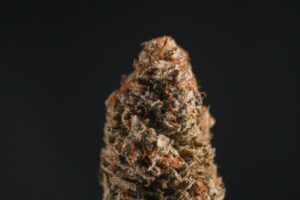
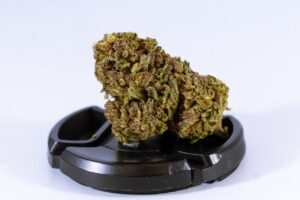
The buds tell a story of their own. Indica buds are dense and tight, whereas sativa buds are generally longer, lighter, and less compact. You might encounter deep purple or bright green hues, sometimes adorned with orange hairs. These colors can indicate both potency and cannabis type, but are not definitive indicators of the strain.
Hybrid strains often display characteristics from both parent plants. For instance, you may find a hybrid with the bushy appearance of an indica but featuring the lighter leaves of a sativa. Due to cross-breeding, many hybrid weed strains now blur these lines, making physical clues less reliable for selecting the desired high.
2. Traditional Effects
You’ll probably hear that indica strains are good for kicking back or for late-night use. They’re associated with sedated, body-heavy highs that can assist with stress or sleep. On the other hand, sativa strains are celebrated for their heady, energizing properties, making them ideal for social or daytime use. These popular sativa strains can perk up your spirits and inspire innovation.
Hybrids can swing either way, frequently mixing both impacts to provide a well-rounded experience. This is not a rule, as individual plants can react differently based on body chemistry and tolerance, even with the same strain.
Some users discover their response may change depending on the dose, freshness of the product, or even what they ate that day. This variability highlights the importance of understanding the different cannabis strains available, necessitating some trial and error.
3. Chemical Profile
The top chemicals in cannabis, THC and CBD, display significant variation between strains. Indicas tend to have higher CBD, which can mellow out the high. Sativas tend to be higher in THC and therefore result in a more psychoactive high. That’s not necessarily the case in the modern market.
Terpenes — the aromatic molecules responsible for cannabis’s distinct smell and flavor — may actually shape your high more than strain type. Hundreds of terpenes exist, and every batch can have a distinct blend. For instance, limonene can make you feel upbeat, whereas myrcene is known to relax. The combination of cannabinoids and terpenes is a much better predictor of effects.
You’ve got to seek out lab-tested pot if you want a consistent effect. Without obvious clues about chemical content, a strain name by itself can fool. This is the reason that two samples of “Blue Dream” or “OG Kush” can feel very different.
4. Growth Cycle
The real difference between strains is that Indica strains flower fast, sometimes as little as 8 weeks. Sativa plants can require 14 weeks or longer to mature. These cycles are influenced by the plant’s genetics, the climate, and the care it receives.
Growers pick hybrids to blend traits, such as speed and yield. The finest hybrids could withstand varying climates and pest resistance, making them ideal for both indoor and outdoor cultivation. Still, even with careful breeding, you can get hit or miss.
Genetics determines a lot of the plant’s size, bloom time, and yield. Soil, light, and water also play significant roles. That same strain will grow very differently in a greenhouse than it will outdoors.
Uncovering The Origins
To truly understand the differences between indica, sativa, and hybrid strains, you must explore their history, growth environments, and usage. Each strain’s specific characteristics, including size, aroma, and growth habits, evolved due to the land and the stewards who cultivated them. This exploration helps clarify why these labels are significant, even as some researchers debate their relevance in categorizing different cannabis strains.
Geographic Roots
Indicas owe their origins to the Hindu Kush mountains, a cold, harsh, and unforgiving stretch of terrain that covers portions of Afghanistan, Pakistan, and India. Plants from this region have adapted by growing bushy, with wide leaves and short flowering periods. These characteristics aided indica strains in flourishing in rocky soil and chilly nights, showcasing the physical differences between cannabis varieties.
Sativas sprouted up in warm, tropical areas near the equatorial belt — South East Asia, Central America, and parts of Africa. These locations experience longer seasons, more heat, and a greater amount of sunlight. Sativa plants developed to grow tall, with narrow leaves and extended flowering times, adapting to hot, humid environments, which is typical of popular sativa strains.
Geography defines every cannabis type. For instance, plants that originated in the Congo or Thailand became mold and pest-resistant due to their moist, warm habitats. Meanwhile, Moroccans or Nepalese had to deal with dry soil and giant temperature swings, which influenced the specific characteristics of hybrid strains.
Cannabis never remained in situ. For centuries, seeds went wherever human beings went—whether as commodities or conquests, as in the 1600s with the global dispersal of commercial slavery. This migration caused genetics to mix and create different cannabis strains on every continent, transforming the plant’s appearance, sensations, and applications.
Botanical History
Cannabis is a member of the Cannabaceae family, alongside hops and a few others. The terms sativa strain and indica date back to Jean Baptiste Lamarck in the early 1800s. He observed that cannabis from India (indica) was not the same as the different cannabis strains found in Europe (sativa). Some researchers, like Dr. Ethan Russo, wonder if these classifications really apply to what you find today, since the plant’s genetics are more hybridized than ever.
Humanity has been using cannabis for millennia for medicine, textiles, food, and spiritual ceremonies. Ancient texts from China, India, and the Middle East demonstrate how cannabis was interwoven with healing and everyday existence. In Africa, cannabis was used for its physical properties and ceremonially. In Central and South America, it entered into folk medicine.
Selective breeding was the trick. Farmers and growers selected plants that had characteristics they favored, such as more resin, faster growing times, or specific aromas. This resulted in today’s diverse collection of strains, including popular hybrid weed strains that blend characteristics of sativa and indica forebears.
Prohibition in the 20th century stagnated legal research and pushed cultivation underground. Still, growers managed to keep breeding and trading plants, resulting in the enormous gene pool you see today. The roots of indica and sativa are not fully recorded, and recent scholarship continues to shed light on their intertwined past.
Beyond The Basic Labels
Strain labels like indica, sativa strain, and hybrid frequently reduce cannabis’s actual complexity to an oversimplified level. You get more mileage than these blanket terms from taking a peek inside each of the different cannabis strains. The strong impacts arise from the unique combination of cannabinoids and terpenes, not the label. Every cannabis plant, influenced by its environment and how it’s cultivated, has its own unique blend of active compounds. Many new cannabis varieties are hybrids, so basic labels don’t always tell you the whole story. If you’re going to select the appropriate strain for your needs, you’ll need to look beyond the basic labels and into the plant’s chemical profile.
Cannabinoids
Cannabinoids are the workhorse chemicals that power cannabis’ effects, particularly in different cannabis strains. THC and CBD tend to dominate the spotlight, but there are other important cannabinoids like CBG, CBC, and CBN. Each interacts with your body’s endocannabinoid system differently, altering mood, pain, appetite, and more, depending on the specific strain you choose.
A strain’s effect on you also depends on the balance of these cannabinoids. Some users seek popular sativa strains for their uplifting effects, while others prefer indica strains for their relaxing properties. Cannabinoid ratios can be customized for your desired effect, whether that’s relieving pain, reducing anxiety, or facilitating sleep. For example, a balanced ratio of one part THC to one part CBD is often used for therapeutic purposes, as it can lessen unwanted side effects.
- THC (tetrahydrocannabinol): The main psychoactive agent can cause euphoria, hunger, or anxiety.
- CBD (cannabidiol): Non-intoxicating, may help with anxiety, pain, or inflammation.
- CBG (cannabigerol): May reduce inflammation, could help with mood.
- CBC (cannabichromene): Possible benefits for pain and mood.
- CBN (cannabinol): Mildly psychoactive, often used for sleep.
Obtaining a full-panel analysis of your cannabis allows you to see the precise blend of cannabinoids and enables you to make more informed decisions about your cannabis use.
Terpenes
Terpenes are the fragrant oils that provide each strain with its aroma and flavor. They are instrumental in the plant’s impact.
- Myrcene: Earthy, herbal scent, linked to relaxing or sedative effects.
- Limonene: Citrus aroma; may improve mood and boost energy.
- Linalool: Floral, lavender notes; known for calming, stress relief.
- Pinene: Pine scent; could improve alertness or memory.
- Caryophyllene: Spicy, peppery; may help with stress and pain.
So you can see how terpenes do more than make it smell good. For instance, lots of folks discover that high myrcene or linalool strains are best for winding down at night, while limonene-rich ones work better for daytime focus. The terpene profile, along with cannabinoid content, shapes that final effect. That’s why going ‘beyond the basic labels’ and checking lab results can be so useful when hunting for the right fit for you.
The Entourage Effect
The entourage effect is the belief that cannabinoids and terpenes perform more effectively in combination with each other than alone. If you use weed with a throng of these compounds, you could receive a more potent or well-rounded effect.
This whole-plant approach means that the full spectrum of chemicals can help target specific needs, like pain, sleep, or mood. For example, an item containing both THC and CBD, along with sedative terpenes, could be more effective for sleep than one that simply has THC. Each exclusive combination triggers a new reaction within your body. This is the reason why two strains with the same THC level can feel so different. A full-panel test will reveal these details, helping you select the perfect strain for your objectives.
Understanding Hybrid Cannabis
Hybrid cannabis strains are plants bred from both indica and sativa parents, resulting in a unique blend of characteristics from each. These hybrids can exhibit traits from different cannabis strains, such as lanky sativa-like leaves or short, bushy indica-style growth. Occasionally, hybrids are created to enhance specific effects or to combine two disparate experiences for a novel outcome. THC and CBD levels in hybrid strains can range from high-THC revitalizing types to CBD-laden sedative varieties, showcasing the diversity found within hybrid weed strains. Due to the absence of a rigorous classification system, each grower applies their own naming conventions, leading to hybrids that may not share similar effects despite having similar names.
One of the key advantages of hybrid strains is their ability to provide a balanced experience. They can deliver effects that are neither overly sedative nor overly stimulating, making them ideal for those who prefer to avoid the extremes of cannabis use. Whether you’re seeking daytime focus, social lubrication, or nighttime relaxation, a hybrid strain can cater to your needs. The terpene profile and cannabinoid ratio in each hybrid prepare the scene for your sensations, ensuring a tailored experience. If you’ve ever felt too wired from a sativa strain or too sluggish from an indica strain, hybrid varieties like “Blue Dream,” “Girl Scout Cookies,” and “Pineapple Express” might be the perfect solution, each offering unique flavors and effects.
However, the impact of any hybrid isn’t always predictable. Factors such as plant genetics, THC/CBD levels, and personal tolerance can significantly influence the experience. Two hybrids marketed under the same name can feel very different if sourced from different breeders. This variability in strain naming means you should refer to lab reports or consult knowledgeable budtenders when selecting a hybrid. Regardless, hybrids remain popular for their versatile spectrum of effects, which can be tailored to meet your specific needs, whether that involves relaxation, concentration, or pain relief.
Sativa-Dominant
Sativa-dominant hybrid strains have more sativa genetics in them, typically showcasing skinny leaves and impressive heights. The effects of these cannabis varieties are more energizing, making them popular among users seeking an uplifted mood, enhanced alertness, and heightened creativity. These flavorful cannabis strains are ideal for productivity or focusing on a project. Additionally, they serve both recreational and medical cannabis use, helping combat fatigue, alleviate depression, and overcome creative blocks. Notable examples include Super Lemon Haze and Jack Herer, both celebrated for their invigorating effects.
Indica-Dominant
Indica-dominant hybrids are cultivated for their soothing effects and typically present a shorter, bushier stature. When you consume these popular indica strains, you may sense muscles unwind and tension evaporate. Most folks stick to these hybrid strains during the evening, as they’re perfect for decompressing and inducing sleep. They’re great for alleviating pain and muscle tension, making them a go-to for those seeking a soft landing after a hectic day. Take, for example, “OG Kush” or “Purple Punch,” renowned for their relaxing effects, perfect for both recreational use and patients treating chronic pain or insomnia.
Balanced Hybrids
Balanced hybrids, often referred to as hybrid weed strains, showcase an even split of indica and sativa characteristics, providing a unique experience. The impact is typically balanced, catering to both recreational and medicinal cannabis use. Their versatility allows users to enjoy them during the day for a subtle pick-me-up or in the evening to unwind without the couch lock effect. Individuals seeking relief from stress or pain without heavy sedation often turn to these balanced hybrids. Blue Dream, a popular sativa strain, delivers a manageable, laidback high that seldom overwhelms, making it a favorite among both beginners and seasoned users.

Why The Labels Are Misleading
Cannabis strain labels such as indica strain, sativa strain, and hybrid can appear straightforward, but they can mislead you. These categories are based on antiquated 18th-century research, which contemporary science now demonstrates is inaccurately inadequate. Nowadays, the labels are based on plant shape and growth, not on the specific effects you’ll feel. The actual chemistry and genetics behind different cannabis strains are far more complicated, rendering these labels less helpful guides than broad guesses.
A Marketing Myth
Marketing in cannabis land relies on easy labels, such as indica, sativa, or hybrid weed strains, which are slapped all over the place. While these categories are convenient and marketable, they often fail to accurately explain what to expect from different cannabis strains. Almost everyone assumes that indica equals relaxing effects and sativa strains equal uplifting experiences; however, this oversimplification does not reflect how the cannabis plant affects individuals. It’s similar to choosing cereal solely on calories and fat, without understanding the other essential ingredients.
The reality is that even products with the same strain name can vary significantly in their chemical makeup. The label provides little insight into the specific cannabinoids or terpenes involved, which are the true drivers of effects. Consequently, relying solely on labels can lead to an experience that differs from what you anticipate. While these labels are familiar and marketable, they do not help you make informed choices. Your best option is to conduct your own research and explore the various cannabis products available, as labels are not a shortcut to achieving the desired effects.
The Real Predictors
What’s most important about a cannabis strain’s effects is its cannabinoid and terpene profile, particularly when considering different cannabis strains. Cannabinoids like THC and CBD, along with terpenes such as myrcene, limonene, and pinene, interact with your body’s own chemistry. This interaction is why two people can use the same strain and experience different effects based on their individual plants’ unique characteristics. Your metabolism, genetics, and tolerance all significantly influence what you feel.
When seeking a strain, your own needs and objectives should guide your choice among the various cannabis varieties. For instance, if you want to sleep better, a high-myrcene indica strain with a specific THC/CBD ratio might suit your needs. Conversely, if focus is your goal, a strain featuring limonene or pinene could be beneficial. Always prioritize understanding the full cannabinoid and terpene profile over relying on simple labels.
Factor | Example Types | What It Affects |
Cannabinoids | THC, CBD | High, relaxation, clarity |
Terpenes | Myrcene, Limonene | Aroma, mood, alertness |
Biochemistry | Individual tolerance | Strength, duration, safety |
Personal Goals | Sleep, focus, pain | Strain choice |
In summary, understanding the differences between hybrid strains, indica, and sativa strains can help you select the right cannabis type for your desired effects. By focusing on the specific characteristics of the strain, including its cannabinoid ratios and terpene footprint, you can enhance your cannabis use experience and achieve your personal objectives more effectively.
How To Choose Your Strain
So, the key to selecting your perfect cannabis strain is understanding your needs, how different cannabis varieties work, and deciphering the information that accompanies it all. Your decision is about more than just sativa versus indica; it’s about selecting a strain that complements your objective, lifestyle, and physiology.
Define Your Goal
HOW TO SELECT YOUR STRAIN First, be clear why you want to use cannabis. If it’s recreational, consider what you want to experience. Perhaps you’d like to become more social, more productive during the day, or chill in the evenings. For medicinal use, write down the symptoms you want to treat, such as pain, anxiety, insomnia, or appetite. This step informs every other decision.
Certain strains tend to be good for relaxing, typically Indicas, and sativas can assist if you need to remain awake or creative. Hybrids, like sativas and indicas, can be customized for harmony, but impact varies with the blend. If you’re new or have a low tolerance, gravitate towards lower THC or CBD-heavy strains. For instance, a CBD-forward hybrid may alleviate anxiety with little to no intoxication, whereas a high-THC sativa might overwhelm a newbie.
Pair your strain with the time of day. Sativas are suitable for daytime use because of their energizing effects. Indicas, due to their tranquilizing effects, are best reserved for nighttime use. At the end of the day, pick what you’re comfortable with, not what’s trendy.
Read The Profile
Most strain profiles serve as blueprints, giving you an idea of what’s inside various cannabis varieties. Focus on cannabinoid content first, as THC delivers the “high,” while CBD can modulate it or deliver its own effects. For beginners, start with popular sativa strains that feature 5 to 10 mg THC per session, or experiment with hybrid strains that balance THC and CBD for a more tailored experience.
Terpenes, a group of aromatic compounds, can significantly pivot your experience with different cannabis strains. Limonene might boost your mood, and myrcene will help you unwind. Each profile lists these terpenes, and knowing which ones match your objective can make your selection more informed and enjoyable.
Lab tests are crucial in assessing cannabis products. Look for potency, purity, and contaminant screening reports. Trustworthy brands make this information available, ensuring you know the THC and CBD ratios, terpene percentages, and even cultivation methods. This specificity saves you from surprises and guarantees good quality.
Strain profiles aren’t just stats; they indicate how a product is going to make you feel. For instance, for social ease, a sativa-dominant hybrid featuring pinene and low THC could do the trick, providing the relaxing effects you seek.
Start Low, Go Slow
Begin with a small dose, particularly if you’re a newbie or testing out a new strain. Just 1 to 2 puffs, then wait 10 to 15 minutes before taking more. For edibles or tinctures, 1 to 2.5 mg THC is a safe place to start, as effects can take up to two hours to peak.
Each of us has a different tolerance. Age, body weight, metabolism, and even past experience can affect your response. If you feel nothing after a few minutes, wait longer. Don’t hurry. Taking it slow prevents you from experiencing side effects such as anxiety or discomfort.
If you don’t achieve your desired effect, increase your dose incrementally. Patience is key. This systematic approach allows you to discover that magic place where benefits emerge, and adverse effects are avoided.
Checklist For Choosing Your Strain
- Define your goal: recreational, medicinal, or specific effect.
- Read the strain profile. Note THC and CBD levels, terpene mix, and lab results.
- Select your time of use, supporting day or night, depending on the strain’s type.
- Start with the lowest dose possible, especially for edibles.
- Wait and assess before increasing your intake.
- Note your experience and adjust your next choice accordingly.
Conclusion
You got a taste of how indica, sativa, and hybrid are only skimming the surface. Each strain contains a blend of characteristics influenced by its genetics, location of cultivation, and the cultivation methods used. You realize the real effects are derived from what’s in the plant, not just its strain name. You make smarter selections if you consult lab notes, learn about terpene blends, or inquire with growers about what’s special. For instance, a sweet-smelling sativa might settle you, while a pine-scented hybrid might ignite your thoughts. Your body knows what works, so trust your own instinct. Want to follow along with new tips and clear answers about cannabis strains? Subscribe and join the conversation. Your next choice might shift your entire perspective.
Frequently Asked Questions
1. What Is The Main Difference Between Indica, Sativa, And Hybrid Strains?
Indicas, known for their relaxing effects, are often contrasted with sativa strains that provide uplifting sensations. Hybrid strains blend these effects, but the specific characteristics of each cannabis plant ultimately determine the experience.
2. Are Indica And Sativa Labels Always Accurate?
No, those labels don’t always tell the truth. It’s all about the cannabis plant’s cannabinoids and terpenes, not just its label! It’s best to look for lab-tested info on each cannabis strain.
3. What Are Hybrid Cannabis Strains?
Hybrid strains are a combination of indica and sativa plants. They are bred to combine preferred effects and characteristics from both. This lets you strike an equilibrium that potentially better fits your individual needs.
4. Why Do Some Experts Say The Labels Are Misleading?
Specialists say the tags are deceptive, as the consequences of cannabis use are not a result of cannabis type in isolation. Every strain’s effect is based on its own special combination of cannabinoids and different terpenes. Indica or sativa strain, hybrid strain — these labels do not necessarily describe your actual experience.
5. How Should You Choose The Right Strain For Yourself?
Think about what you’re trying to accomplish and how you want to feel, not just the specific strain. Inquire about the different cannabis strains’ cannabinoid and terpene profiles, particularly the relaxing effects of popular sativa strains or the sedative effects of indica strains.
6. Does The Origin Of A Strain Matter For Its Effects?
Where different cannabis strains come from can affect a strain’s genetics, but the effects you experience are primarily a result of its chemical makeup. Always seek lab-tested cannabis products and trusted sources before selecting.
7. Can Two People Have Different Experiences With The Same Strain?
Sure, your body’s chemistry, tolerance, and personal health can play a role in how you experience different cannabis strains. What works for one person may not work for you, so always start low, go slow, and listen to yourself.
Choose Cannabis Flower With Confidence At A Therapeutic Alternative
Cannabis flower can be deeply personal, and understanding how it’s grown, labeled, and experienced helps you move beyond trends and into informed choice. If these articles raised questions about terpene profiles, THC levels, freshness, or how to read labels with confidence, you don’t have to figure it out on your own. Thoughtful guidance makes a real difference, especially when your goals are wellness-focused.
Our team at A Therapeutic Alternative is always here to help you connect education to real options. Feel free to contact our team with questions or stop by for an in-person conversation rooted in care and knowledge. When you’re ready, you can also browse our cannabis flower menu to explore available options at your own pace and choose what aligns best with your preferences.