
Table of Contents
ToggleKey Takeaways
- You get anatomy of cannabis flowers, as well as the basics of the cannabinoids and terpenes that make them important to medicine and wellness.
- By exploring the distinctions between strain types, the entourage effect, and choosing products based on your unique health needs and preferences, you’ll be empowered to make informed choices.
- You understand the medical and wellness applications of cannabis flower, from pain to mental health, neurology, and overall wellness, and you value responsible and tailored consumption.
- You’re prepared to select appropriate forms of consumption—inhaled, ingested, or applied topically—according to effect preferences, timing of onset, and precautions.
- Make quality and safety a priority by recognizing the characteristics of premium cannabis, dosing principles, storage practices, interactions, and legislation.
- You’re enabled to monitor your results, contribute patient insights, fill knowledge gaps, and work with medical professionals to fine-tune your cannabis journey and advocate for educated, conscientious consumption.
Getting to know cannabis flower is about learning its key components, how it interacts inside your body, and its place in medicine. You get cannabis flower in a wide variety, each providing a combination of cannabinoids and terpenes. These contour the sensations you experience, mentally and physically. For medical use, physicians consider the whole plant to tailor treatment to your condition, whether it’s pain management, relaxation, or sleep assistance. Studies reveal cannabis flower varies by strain, dose, and mode of consumption. It all comes down to your health goal and what works for your life. In this post, you get an up-close look at key facts to help you use cannabis flower in a smart, safe way.
What Is Cannabis Flower?
Cannabis flower, often referred to as marijuana flower, is the portion of the cannabis plant that users harvest, cure, and consume. These buds grow on the female plant and are loaded with cannabinoids and terpenes, which are responsible for the bulk of the plant’s effects. The cannabis flower is at the heart of both medical and personal use, with medical cannabis patients enjoying its therapeutic properties throughout history for comfort and medicinal purposes. Today, you find quality cannabis flower used in countless ways, including being smoked, vaped, or transformed into oils and edibles, each delivery method providing a unique experience and catering to varying needs.
1. Anatomy
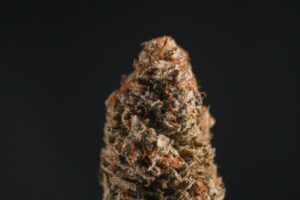
What is Cannabis Flower? It’s the buds — dense clusters where most of the actives sit. Tiny leaves, known as sugar leaves, poke out from the buds. Trichomes are little crystals that cover the buds and leaves. These trichomes hold the cannabinoids and terpenes that make the flower potent and fragrant. When you examine a quality flower, you’ll notice bunches of these sparkling trichomes.
The flower’s shape, size, and trichome coverage speak volumes about its quality. The more trichomes, the more powerful the effects and flavorful the taste. The structure of the flower influences its procession and potency.
2. Cannabinoids
You’ll find THC and CBD as the primary cannabinoids in cannabis flower. THC rearranges your thoughts and delivers the ‘high.’ CBD won’t get you high, but it can soothe you and assist with stress or discomfort. There are over a hundred other cannabinoids, each with its own effect. Some assist with sleep, mood, or inflammation.
That blend of cannabinoids varies by strain. Certain strains are higher in THC. Others have more CBD or rare cannabinoids. As a result, each flower strain can hit and function differently for you.
3. Terpenes
Terpenes are responsible for the delicious-smelling, tasty flavor of cannabis flower. There are many types. For instance, B-Caryophyllene can feel soothing, and Limonene can uplift your mood. Together, terpenes craft the entire experience, not just the taste.
They collaborate with cannabinoids to modify the experience of the flower or the assistance it provides. This blend can make effects more potent or more balanced. Choosing strains based on their terpene profiles can assist you in discovering what suits your requirements.
4. Strain Types
Cannabis plants come in three main groups: indica, sativa, and hybrid. Indicas will put you into a relaxed mode. Sativas are more for energy or focus. Hybrids blend these characteristics and can be curated for specific applications.
Selecting the appropriate strain is contingent upon your desires or requirements. Some use indica to catch some Z’s, while others select sativa for creating or hanging out. The strain you select counts toward your wellness objectives.
5. The Entourage Effect
The entourage effect is when all the compounds in cannabis work together and amplify each other. The combination of cannabinoids and terpenes provides a superior effect to one compound on its own. This is important for medical use because whole-plant products can address more needs.
When choosing cannabis, consider how the full flower can benefit you, not just a single cannabinoid. Full-spectrum products in particular are said by many to provide steadier and deeper effects.
Therapeutic Potential
Cannabis flower has attracted worldwide praise for its vast therapeutic potential, particularly in the realm of medical cannabis. If you want to enjoy the health benefits, especially where conventional medicines come up short, your knowledge of its potential is vital. Research reveals that medical cannabis penetrates pain, psychiatry, and neurology, with its compounds activating your body’s systems. Clinicians and medical cannabis patients are trying it for chronic issues, and its place in wellness regimens is expanding.
Pain Management
Cannabis flower is a powerful option these days if you suffer from chronic pain, especially when considering quality cannabis flower for medical reasons. Data shows that patients taking medical cannabis had double the opportunity to reduce pain by more than 30% compared to placebo. The therapeutic magic occurs as cannabinoids, like THC and CBD, interact with your endocannabinoid system, attaching to CB1 and CB2 receptors in your brain and immune cells. This process aids in blocking pain signals and decreasing inflammation.
Certain strains, like “ACDC” or “Harlequin,” which have high CBD levels, are typically harvested for pain management. ‘Northern Lights’ and ‘Blue Dream’ are particularly popular for managing both pain and stress. You do need to determine the appropriate dose for your body. Tailored dosing is important because too little might not assist, and too much can provide side effects.
Mental Health
Cannabis flower may have a role in alleviating anxiety and depression. Others discover cannabinoids equalize mood by working with serotonin and dopamine pathways. This occurs in your brain, where affective responses are fixed. For others, high-CBD strains like “Cannatonic” can reduce anxiety with fewer side effects, while high-THC strains exacerbate it.
Therapeutic potential: Strain selection makes a difference. Always begin with low doses. Responsible use is key, as high amounts of THC can induce paranoia, particularly if you’re anxious. More work has to be done before cannabis can be a front-line therapy, but for some, it brings tangible value to the table as part of their mental health strategy.
Neurological Support
Cannabis flower could be neuroprotective. Cannabinoids can be beneficial for issues such as epilepsy and multiple sclerosis. The US FDA has even greenlit a cannabis-derived drug for a rare form of epilepsy. CBD, specifically, has demonstrated anticonvulsant effects in model animals, which is promising if you or someone you know has hard-to-treat seizures. Cannabinoids might reduce inflammation in the nervous system, which can shield nerves from additional damage.
If you’re thinking of cannabis for neurological problems, collaborate with a doctor. Neurological conditions can be a tricky guide in searching for the right product and dose.
General Wellness
Cannabis flower can contribute to your wellness regimen in a variety of ways, especially when considering the benefits of medical cannabis. It might put you to sleep and calm your nerves, while others use quality cannabis flower to transition into relaxation from a stressful day or to increase their energy. Its soothing properties are relaxing and can alleviate tension, bringing you into a more centered state. For certain people, it’s incorporated as part of a wellness ritual—used alongside yoga, meditation, or other habits.
Consumption Methods
Cannabis flower offers versatile consumption methods, each with distinct characteristics that influence your experience with medical cannabis. Your chosen mode of consumption, whether through inhalation, ingestion, or topical application, significantly alters the onset of effects, their duration, and potential dangers. These methods are essential for medical cannabis patients seeking tailored solutions for their specific needs, lifestyle, and health conditions, as each has unique advantages and caveats.
Inhalation
Inhaling is the most prevalent way to consume quality cannabis flower. When you inhale the active compounds, they diffuse directly into your bloodstream almost immediately, making this method especially popular among medical cannabis patients seeking rapid relief for conditions like acute pain or nervousness. The effects are typically felt within minutes, which is crucial for those needing quick therapeutic intervention.
You have a variety of devices to choose from for inhalation. The classic hand-rolled joint or pipe remains a favorite, but bongs and water pipes can cool the smoke before it enters your lungs. Vaporizers are another excellent option, as they heat cannabis flower to release vapors containing active ingredients without combustion. Many prefer water-based vapor because it is smoother and less harmful compared to traditional smoking methods. Dabbing, which uses cannabis concentrates, can provide potent highs but also raises concerns about contamination and the risks associated with high THC content.
Each inhalation method comes with its own safety profile. While smoking marijuana has been linked to lung and throat cancers and can irritate airways, vaporizers are generally safer, producing less harsh vapor and fewer harmful byproducts. Caution is advised with dabbing, as impurities in concentrates can elevate health risks significantly.
Ingestion
Ingesting means eating pot-laden edibles or capsules. This path alters the way your body ingests cannabinoids. When you consume edibles, your stomach and liver metabolize the compounds, resulting in a lagging effect. Effects typically begin one to two hours after ingestion and can persist significantly longer than inhaled cannabis, lasting as long as 8 hours.
Dosing is more accurate with capsules and commercially produced edibles. Homemade products can be inconsistent in potency. That makes it convenient to overdose if you’re not vigilant. Since effects lag, you’ll want to eat more, risking overconsumption. Accurate labels and treat them wisely for a safe trip.
A lot of people opt for edibles for the ease, and if they don’t want to inhale smoke or vapor. They’re inconspicuous and require no odor or apparatus. The effects take longer to begin and last longer, so this delivery method demands patience and pre-planning, particularly for cannabis novices or medical users.
Topical Application
Topical application relies on medical cannabis products like cannabis-infused creams, balms, and lotions for direct relief on the skin. These goods focus on localized pain and inflammation without the mind-altering impact typical of other consumption methods. This makes topicals a great option if you desire therapeutic benefits but need to operate without feeling stoned.
Topicals are particularly beneficial for medical cannabis patients suffering from chronic pain or muscle aches, providing localized relief without significant cannabinoid absorption into the bloodstream. Since cannabinoids don’t affect your state of mind, product quality and specific formulation become essential. Always look for clear labeling and trusted sources, especially if you have allergies or sensitive skin.
The chart below compares these methods:
Method | Onset Time | Duration | Key Benefits | Main Risks |
Inhalation | Minutes | 1–3 hours | Fast relief, easy dosing | Lung irritation, cancer |
Ingestion | 1–2 hours | 4–8 hours | Long-lasting, no smoke | Overconsumption, delayed |
Topical | Varies | 2–4 hours | No high, local relief | Poor quality products |
Navigating Your Experience
Every step along your cannabis experience counts, especially when it comes to understanding quality cannabis flower. You want to optimize your experience, be safe, and be comfortable. Your specific needs and background will guide your flower experience. How you consume it, where you consume it, and how much you consume all make a difference in how it impacts you. By investing a little effort into educating yourself about quality cannabis, dosing, and storage, you can be sure you’re making informed decisions and maximizing your cannabis experience.
Quality Indicators
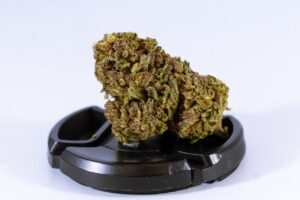
Quality is crucial for both impact and safety when it comes to selecting medical cannabis products. There’s a lot of information you can glean from the appearance of quality cannabis flower. High-quality buds will be bright green, with occasional purple or orange accents. When assessing potency, visible trichomes resembling tiny crystals are a clear indicator. If you pick a flower and it’s sticky but not wet, that’s a really good sign. Pay attention to the scent; good, fresh cannabis will smell pungent and wonderful, varying from earthy to fruity depending on the strain. However, if the flower smells musty or like hay, it may indicate that it is old or poorly cured.
Lab testing provides an additional level of confidence in medical cannabis strains. Good dispensaries will have THC, CBD, and terpene test results available. These findings guide you in selecting a bloom that suits your experience, whether you want to unwind, concentrate, or alleviate pain. A reliable lab report tests for mold, pesticides, and heavy metals, ensuring you receive quality cannabis.
Bad weed is easy to recognize if you’re aware of the symptoms. Keep an eye out for mold; it appears as a gray or white fuzz. Pits and seeds overwhelm the flavor and waste your money. Steer clear of flowers that are too dry or dusty.
Always purchase from licensed dispensaries that provide transparent source information. This minimizes your potential for cross-contamination and guarantees the freshness of your cannabis products.
Dosing Principles
Pace yourself, particularly if you’re a newcomer or experimenting with a new strain. For ingestible methods, a few tiny puffs can do it for you. With edibles, 2.5 to 5 milligrams of THC is a safe zone. Hold off for at least 15 to 60 minutes and see how you feel. Everyone is different.
Only up the dose if you’re feeling good. Factors like your weight, metabolism, and past cannabis usage play a huge role. Potency differs by strain, so review THC and CBD content prior to each use.
Journal or app you use. Just jot down the amount, timing, and how you felt. This log guides you to your optimal dose and steers you away from side effects.
Proper Storage
- Use air-proof glass jars so flowers do not dry or get stale.
- Keep your cannabis in a cool, dark place out of sunlight and heat. Temperatures in the range of 18 to 22 degrees Celsius and humidity of 59 to 63 percent maintain freshness.
- Store cannabis away from children and pets.
- Skip the plastic bags as they make trichomes stick and break down.
Appropriate storage preserves shelf life and maintains your quality cannabis flower’s potency. Fresh medical cannabis translates into a tastier and safer experience every time you light up.

The Patient-Led Perspective
Patient-led perspectives in medical cannabis therapy empower you as a user to play a significant role in shaping how these treatments are understood and utilized globally. You may be aware, as are many others, of the search for low-tech or “natural” therapies in lieu of conventional medicine. Indeed, close to half of Americans were turning to nontraditional health approaches by the late 1990s, and support for patient access to quality cannabis holds at 60 to 70 percent today. It’s a movement about empowerment, about taking back your health, about being more than a diagnosis.
Clinical Vs. Real-World
Clinical studies on medical cannabis flower typically occur in controlled environments with rigorous protocols that differ from your real-life experience. These trials can inform your understanding of safety and potential applications, but they don’t necessarily reflect the day-to-day hurdles or victories that are important to patients. What you experience, observe, and describe in your real use is termed ‘real-world evidence.’ This anecdotal data complements the findings of rigorous research and highlights how effective cannabis is for conditions such as chronic pain, cancer symptoms, or AIDS wasting that rigorous studies might overlook.
You might already meet folks who depend on quality cannabis for pain of unknown origin or nondescript symptoms that don’t have a clear diagnosis. These stories — your stories — can construct a better portrait for scientists. By sharing what works or doesn’t, you help direct future study and assist in shifting how medical cannabis products are developed or advised. Patient-reported outcomes, particularly when followed longitudinally, provide a wealth of data that a formal trial might miss.
Tracking Outcomes
One of the critical ways you can improve your flower experience is to track your own results. That is, tracking what you consume, how much, and how it impacts your symptoms. You could maintain a basic journal, a digital app, or write brief notes. Logging details such as strain, dose in milligrams or grams, and method, like smoking, vaporizing, or tincturing, will help you find patterns emerging.
By monitoring results, you discover what products work best for you. That can make a giant difference in the event you have a recalcitrant illness or haven’t hit on relief elsewhere. Providing your notes to your doctors assists them in navigating your treatment, ensuring you maximize the benefit with minimum side effects.
Bridging Gaps
We still have giant holes in our cannabis flower knowledge, and you might be worried about how the system functions or not having clear guidelines. Education is important here. The more you know about cannabis, the better decisions you can make and the quicker you can dodge misconceptions or blunders. Collaborating with physicians, fellow patients, and researchers can fill these cracks. When you enter a patient group or buyers’ club, you have support and updated information.
Advocacy makes a difference. Patient groups tend to advocate for greater access, reasonable regulations, and increased research. Your voice, along with theirs, helped build a system that works for all, not just some.
Safety And Considerations
Cannabis flower is complicated, with approximately 540 chemical compounds and a broad range of applications and impacts. If you are thinking about medical or wellness uses, you need to consider the risks, possible benefits, and legalities. Responsible practice, medical guidance, and awareness of interactions are important for safe and effective use.
A few essential safety considerations to keep in mind:
- Begin with a small dosage, particularly if you’re new to cannabis or are trying a new item. A lot of effects, such as psychoactivity and side effects, vary with dose.
- Watch for short and long-term issues. Some experience dizziness, dry mouth, memory impairment, or anxiety at even moderate doses.
- Know product inconsistency. Its strength varies greatly from batch and strain. It is not uncommon for products to have significantly more or less THC or CBD than anticipated.
- Pregnant or breastfeeding women should be cautious. THC can stay in breast milk for as long as six days after use.
- Monitor for side effects. In clinical settings, cannabinoids have shown small improvements in spasticity and pain for multiple sclerosis patients, but are linked to side effects, and effects may not always reach statistical significance.
- Understand that it might only be a short-term relief for certain conditions, like intraocular pressure from glaucoma.
- Be aware of legal status and regulations in your region. Legislation varies around the world.
- Check with your doctor before adding cannabis to your regimen, particularly if you’re on other medications.
Potential Interactions
Marijuana can interact with a wide variety of prescription medications, so you must be careful and open. Cannabinoids, including THC and CBD, can modify how your body metabolizes drugs by influencing liver enzymes, which can result in increased or decreased levels of medications in your body. For example, certain antiepileptics or blood thinners may be processed differently if ingested with cannabis, which may cause adverse effects or reduce their efficacy.
Inform your physician of your cannabis consumption. This step is important as many interactions are understudied, and your provider can help you balance risks. Combining cannabis with other substances, such as alcohol or sedatives, could increase your risk of side effects. When in doubt, always be safe and remember that it is best to avoid mixing.
Quality Control
It’s about quality control in the cannabis industry. Without procedures, product safety and consistency cannot be assured, especially for medical users. That’s the value difference between a trusted product and a non-trusted product. Lax quality control can result in impurities, incorrect dosage, and inconsistent results, all of which can be risky for patients in need of exact results.
Aspect | Verified Quality | Poor Quality |
Potency Accuracy | High | Low |
Contaminant Risk | Minimal | High |
Patient Outcomes | Predictable | Variable |
Patient Satisfaction | Higher | Lower |
Seek out laboratory-tested products with certifications or regulatory oversight. This is particularly vital if you’re dealing with chronic illness or need trustworthy symptom control. Tested products provide more consistent effects, fewer toxins, and more consumer delight.
Legal Landscape
Cannabis legality is all over the map globally. Some countries and states have medical use, some have recreational use, and others prohibit it altogether. In 2021, for instance, 35.4% of the 18-25 age group in the U.S. Said they consumed marijuana, although states have varying levels of legality. Access, product choice, and fines all vary by location.
Keep abreast of laws, as they can change fast and impact both availability and security. Compliance with the law means access to quality-tested products and medical advice. Unregulated sources have increased risks for contamination and variable potency, which can affect patient outcomes and experience.
Conclusion
So now you’ve got the fundamentals down on medicinal cannabis flower. You know what it is, what it can offer, and how people consume it. A lot of us find actual relief or peace from weed, but every person’s journey hovers a bit differently. Some people prefer tinctures or teas, others remain loyal to the tried and true bud. Side effects may emerge, so you must monitor your body and consult your physician. Keep an open mind, inquire, and let what you discover inform your decisions. Keep learning, keep inquiring, and take action that works for your life. For additional tips and stories, explore the rest of our blog. You’ve got the gear. Now, use it to navigate your own wellness journey.
Frequently Asked Questions
1. What Is Cannabis Flower?
Cannabis flower, specifically the quality cannabis flower, is the bud of the cannabis plant that is harvested and dried. You can consume it medicinally or for wellness due to its organic substances like THC and CBD.
2. How Can Cannabis Flower Support Your Health?
Study insights into the quality of cannabis flower’s pain relief, anxiety reduction, and sleep improvement potential. Its impact is influenced by your body and the medical cannabis strains used. Talk to a doctor.
3. What Are Common Ways To Use Cannabis Flower?
Cannabis flower is often inhaled through smoking or vaping, while others prepare edibles or teas from quality cannabis. Each method affects how quickly medical cannabis patients experience the effects.
4. How Should You Choose A Cannabis Flower Product?
Select quality cannabis flower based on health benefits, THC and CBD levels, and certified lab results. Consult a qualified professional to discover medical cannabis products tailored to your needs.
5. What Safety Tips Should You Follow When Using Cannabis Flower?
Go low and slow to begin with medical cannabis products. Keep track of how you feel, and avoid mixing with alcohol while keeping these quality cannabis products out of reach of kids and pets.
6. Are There Any Side Effects To Using Cannabis Flower?
Okay, side effects of medical cannabis can include dry mouth, dizziness, or mood alterations. If you feel ill, discontinue use and seek medical attention.
7. Is Cannabis Flower Legal Where You Live?
Cannabis rules differ from country to country and region to region, particularly concerning medical cannabis products. Read your local regulations before purchasing or consuming cannabis flower for any reason.
Choose Cannabis Flower With Confidence At A Therapeutic Alternative
Cannabis flower can be deeply personal, and understanding how it’s grown, labeled, and experienced helps you move beyond trends and into informed choice. If these articles raised questions about terpene profiles, THC levels, freshness, or how to read labels with confidence, you don’t have to figure it out on your own. Thoughtful guidance makes a real difference, especially when your goals are wellness-focused.
Our team at A Therapeutic Alternative is always here to help you connect education to real options. Feel free to contact our team with questions or stop by for an in-person conversation rooted in care and knowledge. When you’re ready, you can also browse our cannabis flower menu to explore available options at your own pace and choose what aligns best with your preferences.