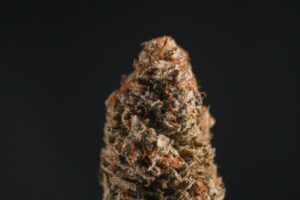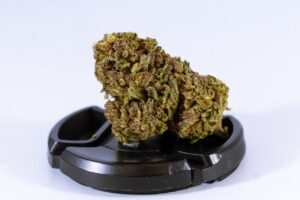

Concentrates distinguish themselves from other cannabis formats by their high cannabinoid levels, powerful potency, and diversity of textures. Most flower formats require grinding and heating, whereas concentrates exist in oils, waxes, and resins. These formats require specialized equipment such as dab rigs or vape pens and provide a faster onset and typically longer duration compared to flower or edibles. Different extraction methods, such as CO₂ and solventless presses, alter flavor, purity, and potency. Concentrates can be tricky to dose, as a little bit brings a much stronger effect. For example, flowers provide a more even, gradual experience, and edibles take longer to take effect and longer to subside. The next section compares these points side by side.
Table of Contents
ToggleKey Takeaways
- Cannabis concentrates range significantly higher than flower in potency, providing a stronger punch with less substance. This can be ideal for seasoned consumers or those looking for stronger impacts.
- The high-tech extraction techniques that go into concentrates maintain terpenes and cannabinoids that enrich and diversify the flavor profiles that flower simply burns away.
- There are various ways to consume concentrates, like dabbing, vaping, or using pens, so they’re easier to consume discreetly and on the go than flower.
- Concentrates come in many different textures and forms, such as oils, shatter, and wax, all of which suit various user preferences and affect both the usability and experience.
- The quality of concentrates is highly dependent on the starting material, extraction method, and post-processing steps. Each of these factors impacts potency, purity, and flavor.
- When choosing between concentrates and flowers, users need to take into account factors such as potency, flavor, and the consumption method they want, as well as their own tolerance, to have a safe and enjoyable experience.
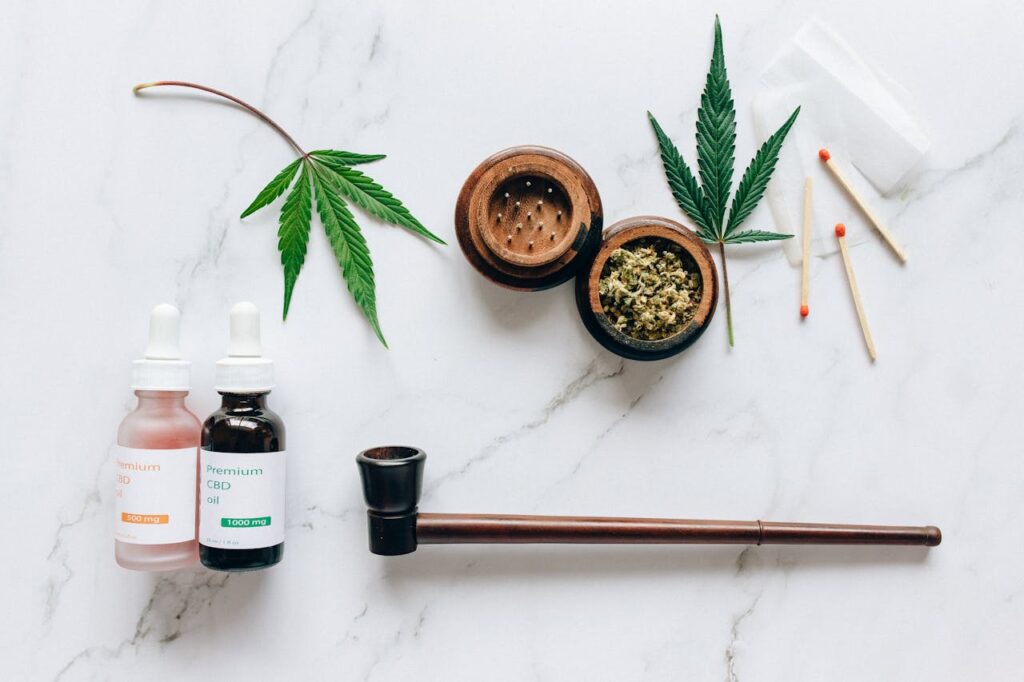
The Core Differences: Concentrates Vs Flower
Cannabis concentrates and flowers have differences in potency, flavor, method of use, experience, and cost. Each of them has unique properties that influence the consumer experience.
Potency
Concentrates generally have way more THC than flower, often in the 50 to 90 percent range. For comparison, cannabis flower typically clocks in at 15 to 25 percent THC. This indicates that you only need a little concentration to get a strong impact. High potency can develop tolerance more quickly and does not work for everyone, particularly novice users. Choosing your concentration based on the desired strength is important for your safety and comfort.
Flavor
Quite a few concentrates retain more terpenes, so the flavor can be more robust or pronounced. Certain extraction methods and high heat can remove natural terpenes, leading to a less flavorful experience. Flower, when smoked or vaporized at lower temps, frequently leaves behind a more true-to-nature, full terpene profile. Flavors range from fruity to earthy, with types like live resin and wax. This is why concentrates are alluring not only for connoisseurs who desire unique flavor, but for those who crave a heightened high.
Consumption
Dabbing and vaping are popular methods of consuming concentrates. These require their own specialized apparatus, such as a dab rig or vaporizer, which aren’t necessarily convenient. Flower is more versatile; you can smoke it in a joint, pipe, or vaporizer with minimal preparation. Concentrate pens are small and portable. Concentrates produce less smoke and odor, providing a discreet form of cannabis use, whereas flower is more conspicuous.
Experience
The impact from concentrates comes quickly, generally within seconds, and can be intense given the elevated THC levels. Flowers take longer to feel and have milder effects. Concentrates typically have a longer duration, ranging from 4 to 8 hours, compared to 1 to 3 hours with flowers. How you use them, like dabbing versus smoking, shifts the vibe. Some users want big, fast effects, and others enjoy the gradual come-on of flowers.
Cost
Concentrates are more expensive to purchase initially, but because you require less of them to achieve the same effect, over time, this can make them more economical. Flower typically has a lower cost per gram but might be consumed at a quicker rate on account of reduced potency. Both are priced on quality and brand, with top-shelf versions being more expensive. Both remain in high demand, according to market trends, but concentrates can command a premium for potency and purity.
How Are Concentrates Made?
Cannabis concentrates are created by extracting the most desirable compounds, cannabinoids and terpenes, from the plant, discarding much of the raw material. These can be solvent-based or solventless, with different techniques, yields, and impact on the final product. The quality of the starting cannabis is paramount. Higher-quality flower or trim yields more powerful, better-tasting concentrates. Producers prioritize purity, implementing processes to eliminate residual contaminants and guarantee safety. Extraction decisions, be it butane, ethanol, or mechanical pressing, don’t just dictate potency; they affect the texture and flavor of the concentrate.
Solvent-Based
Solvent-based extraction employs chemicals like butane, ethanol, or supercritical CO2 to extract active compounds from cannabis. Ane is famous for shatter and wax, while ethanol is common for oils. Supercritical CO2 is a hit for vape oils because it is efficient and can maintain a consistent terpene profile. These techniques remove potency of up to 70 to 90 percent THC, far above standard flowers.
Efficiency is a big selling point for these methods. They produce massive amounts of concentrate with great potency. Residual solvents are a major safety issue. Purging, or eliminating residual solvents through heat and vacuum, remains essential. If purging is not done properly, it can leave residual butane or ethanol, which is dangerous and undesirable in taste.
Taste can vary. Solvent-based concentrates can lose some of the more delicate terpenes in the process, leading to a less complex aroma than their solventless counterparts. Live resin and live budder, derived from plants that were freshly harvested and freeze-dried, preserve more terpenes and deliver a more robust flavor.
Solventless
Method | Typical Yield (%) | Potency (THC %) |
Solvent-Based | 15–25 | 70–90 |
Solventless | 10–15 | 60–80 |
Solventless concentrates are made without chemicals. Mechanical separation and ice water extraction are common. Rosin, for instance, is created by using heat and pressure on flowers or hash, resulting in a pure and tasty substance. Ice water hash, or bubble hash, employs only water and agitation to separate trichomes.
Among health-conscious users, solventless concentrates are often preferred, as they carry no risk of residual solvents. They retain more terpenes and cannabinoids, so the deliverables are fuller smelling and more flavorful. Yields tend to be lower, and potency can be less than their solvent-based counterparts, though that gap is closing with advanced processes.
What Types Of Concentrates Exist?
What really makes cannabis concentrates popular is their purity, potency, and range of experiences. Unlike flowers or edibles, concentrates come in a variety of different types with unique qualities. They fall into two main categories: solvent-based, using butane, propane, or CO2, and solventless with no chemical solvents involved. Common varieties include shatter, wax, budder, sugar, honeycomb, distillate, isolate, rosin, and hash. These products vary in their appearance, texture, and consumption.
- Shatter: brittle, glass-like, high potency, breaks easily.
- Wax: soft, malleable, easy to handle, ideal for dabbing.
- Oil: viscous, suited for vape pens or oral dosing.
- Rosin is made with heat and pressure and comes in jams, badder, or sift.
- Hash: traditional, pressed or sieved, often darker and crumbly.
- Kief/Dry Sift: fine powder, less potent but concentrated.
- Sauce (Terp Sauce): runny, rich in terpenes, variable structure.
- Distillate: clear, nearly pure THC/CBD, flavorless, versatile.
Texture and consistency are huge factors in the application of these products. Shatter is brittle and breaks with impact. Wax and butter are soft or crumbly, which allows them to be easily scooped or spread. Distillates and oils are liquid, perfect for cartridges or tinctures. Form influences not only the user experience but the methods in which concentrates can be consumed, from dabbing to vaping or orally.
Textures
- Smooth and glassy (shatter)
- Sticky and pliable (live resin)
- Creamy (butter)
- Powdery (kief, dry sift)
- Oily (distillate)
Texture affects both the concentration’s texture and appearance. Aesthetic appeal can attract users to a specific finish or color. Smooth, glasslike shatter catches the eye of clean break lovers, while sticky wax draws in easy-dosing users. Extraction techniques, such as hydrocarbon for shatter or heat and pressure for rosin, help mold these consistencies, altering both functionality and allure.
Forms
Concentrates can appear as oils, powders, or solids. Each type has its own advantages. Oils vape well or are good sublingually. Powders like kief or dry sift are less potent but easy to sprinkle on flowers or into food. Solids like shatter or hash are great for dabbing or old school pipes. Potency shifts with form: distillate is very strong, while kief is milder. Flavor comes through best in sauces or rosin, where terpenes are higher. Concentrates come in many forms, each with its own convenience factor.
The Unseen Influences On Quality
Quality in concentrates has a network of decisions and processes that extend way beyond the label. From the raw ingredient and extraction technique through to post-processing, these unseen forces influence flavor, potency, purity, and safety.
Starting Material
Top-shelf nugs or trim are the foundation of top-shelf concentrates. Each strain utilized contributes distinct tastes and impacts because every strain contains its own combination of cannabinoids and terpenes. When the plant is fresh, the resulting concentrate retains more of these compounds, resulting in superior flavor and potency. Utilizing stale or deteriorated anything, however, diminishes both strength and taste. The plant parts, as well as flowers, generally have the highest levels of cannabinoids and terpenes, while leaves and stems have far less, which can dilute the end product.
Extraction Method
How concentrates are made affects their quality. Solventless methods, like ice water or dry sift, preserve more of the original terpene content, frequently resulting in a richer-flavored and smelling product. Solvent-based methods like BHO or CO₂ extraction provide greater potency but might contain residual solvents when inadequately purged. The solvent itself does as well. For instance, ethanol is viewed as a safer alternative to butane, but they both have their advantages and disadvantages. Extraction efficiency from operator proficiency to equipment selection impacts both yield and purity. About the Know-How of the Maker The skill of the maker matters too. Seasoned makers can tweak the method to produce concentrates with superior taste, mouth feel, and impact.
Post-Processing
Post-processing, winterization, and decarboxylation polish concentrates by straining out unwanted fats and decarbing cannabinoids. Contaminant and residual solvent testing is a given, particularly with solvent-based extracts. Third-party lab tests help ensure these byproducts are kept below safe limits. How a concentrate is treated after it’s extracted can transform its flavor and potency. A concentrate that is poorly handled or stored will degrade. Texture and consistency, whether it’s shatter, wa,x, or oilhingees on both extraction and post-processing steps, as well as the producer’s expertise.
Beyond Potency: The User Experience
The experience of cannabis concentrates much more than potency alone. There’s something special that each of these products contributes to onset time, effect duration, and effect intensity, influenced by both product chemistry and user habits. Recognizing these distinctions is essential for all users, particularly considering the international landscape of usage and preferences. Breaking down these elements can assist consumers in choosing what suits their requirements, tolerance, and lifestyle.
Onset Time
Concentrates typically hit faster than flowers. Dabbing or vaping can deliver effects in 15 to 30 minutes. Flowers tend to take longer, especially edibles. How you consume an item influences how quickly you experience it. Dabbing imparts an instant jolt, whereas vaping or sprinkling concentrates on a joint could potentially temper the pace. It’s not just about the potency; the chemical composition matters. Because concentrates are loaded with THC, sometimes as strong as 99%, your system takes them in quicker. There is less waiting and a more potent initial surge. Users need to watch their dosage, as even a little bit can pack quite the punch. Patience and dosage control are important.
Effect Duration
The effects from concentrates tend to linger longer than flowers. It’s so potent, with THC ranging from 60 to 90 percent, that just a little bit will hold you over, keeping the effects high for hours, sometimes even all day. Each body responds differently. Metabolism, health, and even what you had for lunch can all alter how long the buzz lasts. In addition to potency, how you use the product, dabbing versus vaping,g for example, changes the experience. Knowing this is useful for planning. Say you need concentration for work or you need to sleep; you pick the appropriate product and time it.
Intensity Level
Concentrates can hit you much harder than smoking flowers. One hit from a dab rig is equivalent to a whole bowl or joint;t, being stingy is the name of the game. The variety of consistencies—wax, shatter, live resin—allows consumers to experiment with different potencies and tastes. Concentrate formats and strain selections change the experience, so it behooves you to understand what you’re consuming. Some users want the purest, cleanest stuff, so they choose things like rosin, which uses no solvents and retains more flavor. Some like it stronger and go with the higher THC levels. As always, begin slowly and be mindful of your own limits.
Choosing Your Ideal Format
Deciding on your perfect cannabis format is a subjective journey that varies based on what you seek from it. Every format, concentrate, or flower has its own set of characteristics. Potency is a key driver in consumer interest around concentrates, with some, such as wax or shatter, routinely testing north of 70% THC. This is way higher than any flower, which typically averages between 10 and 30% THC. If you desire more potent and quicker-acting effects, concentrate could be the answer for you. If you prefer a smoother onset, flowers might be the winner. Flavor is another factor. Some users appreciate the flavor and smell of their cannabis. Live resin and rosin are both known for preserving more terpenes, the aroma and flavor-shaping compounds. These are great formats for flavor-first enthusiasts. On the flip side, wax and shatter are typically preferred for their punch but can lack a richer taste profile.
How you consume it defines the experience. Concentrates can be dabbed, vaped, or added to flower, and flower is typically smoked or vaporized. Simply put, dabbing — heating a tiny bit of concentrate on a red-hot surface — hits hard and hits quickly, but it’s not necessarily for everyone. If you prefer one-click simplicity, flower or pre-filled vape cartridges could be more convenient. The brew method is important as well. Solvent-based approaches, such as BHO, can produce powerful extracts, but there is demand for solventless alternatives like rosin for their purity and reduced chemical usage.
Experimentation is essential. Sampling small quantities of various forms, like live resin or shatter, educates you as to what suits your preferences and requirements. Terpene profiles can steer your decision; some strains have sugary, dessert-like notes, and some smell pungent or earthy. Cold temperature matters. Lower temperatures tend to bring out more flavor. Higher ones amplify potency but can sacrifice taste.
Lifestyle and goals are considerations. If you want fast, discreet relief, concentrate might be your jam. If you like the ritual of smoking or prefer something lighter, flowers might be best.
Conclusion
Concentrates represent a distinct departure from other cannabis formats. They contain more active compounds, employ innovative production methods, and demand unique equipment. Some prefer potent, quick-hitting highs, so they opt for wax or oil. Others desire weaker effects, so they remain faithful to flowers. All have their place and their purpose. Definitive actions and intelligent decisions count in this arena. Concentrates are different, and potency, flavor, and consumption method can change the entire experience. To select smartly, understand your requirements and your experience. Ask others, read trusted guides, and remain inquisitive. The universe of cannabis continues to evolve, and every stage you venture into opens up new things to discover. Leave a comment or your own story below!
Frequently Asked Questions
1. What Are Cannabis Concentrates?
Cannabis concentrates are cannabis products created by extracting the most desirable compounds from the plant. They have greater cannabinoid and terpene content than flowers.
2. How Do Concentrates Differ From Cannabis Flowers?
Concentrates deliver significantly greater strength and cleanliness than flowers. They’re typically consumed in smaller amounts and can deliver a quicker, more intense impact.
3. What Methods Are Used To Make Concentrates?
Concentrates are produced with methods like solvent extraction, mechanical separation, or heat and pressure. These methods impact the final product’s purity and potency.
4. What Types Of Cannabis Concentrates Are Available?
Popular varieties include hash, wax, shatter, oil, and rosin. They all have their own textures and uses depending on how you like to consume.
5. What Factors Influence The Quality Of Concentrates?
It varies in quality based on the source material, extraction method, and refinement. Lab testing and proper storage are key to keeping it safe and effective.
6. Are Concentrates More Potent Than Other Cannabis Formats?
Yes, concentrates usually have significantly higher cannabinoid levels than flowers or edibles. They pack a more powerful punch, so consumers need to dose with care.
7. How Should I Choose Between Concentrates And Other Cannabis Formats?
Take into account your tolerance, effects, and consumption style. Newbies should stick with flowers, while veterans might want to pick up some concentrates for their potency and convenience.
Choose Concentrates And Advanced Cannabis Products With Confidence At A Therapeutic Alternative
Sometimes you’re looking for a more refined experience. Something more potent, more precise, and tailored to how you want to feel. That’s where concentrated and advanced cannabis products stand out. A small amount goes a long way, giving you the ability to fine-tune your experience with control and consistency.
But stepping into this category can feel overwhelming at first. Live resin or live rosin? Shatter, wax, or sauce? High THC or a more balanced cannabinoid profile? Then there’s terpene content, extraction method, and overall product quality, all of which shape how it looks, smells, and feels. Those details matter more than most people realize.
At A Therapeutic Alternative, we simplify the process. Our team takes the time to explain the differences, answer your questions, and guide you toward products that match your experience level and goals. No pressure, no confusion, just clear, honest guidance from people who truly know these products.
Stop by and talk with us, or browse our selection of concentrates and advanced cannabis products at your own pace. When you’re ready, we’ll help you choose something that feels right from the very first use.