
Key Takeaways
- Accurate control at the saturation point is key to squeezing the most vapor from the most material without compromising safety or consistency. We already know about vapor quality.
- By controlling liquid and vapor fractions, it is possible to customize the vapor qualities such as strength and flavor, as well as optimize vaporization technologies. Here’s what to know about temperature and vapor quality.
- Stable vaporization temperatures and maximum compound extraction, particularly with highly technical processes such as cannabis vaporization and power generation, require consistent and carefully regulated energy input.
- In industrial and consumer applications, routine monitoring and troubleshooting of vapor quality via real-time sensors, maintenance schedules, and system balancing is key to ensuring system reliability, safety, and performance.
- Whether you’re using energy as efficiently as possible or simply making smarter system tuning decisions, mastering your energy footprint is at the heart of maintaining high vapor quality while combating bottom-line and environmental costs in all applications.
What to know about temperature and vapor quality, they’re both critical in several thermal and chemical processes. Temperature indicates the amount of heat in a system. Vapor quality describes the proportion of vapor in a liquid-vapor mixture. These two things are of utmost importance in industries such as power plants, air conditioning, and food processing. Temperature changes can shift vapor quality, which frequently disrupts the degree of heat that changes state or how systems operate. For those of you dealing with boilers, heat exchangers, or chillers, these fundamentals can assist in safe and quality system operation. In the next article, the process of measuring and utilizing these values in practical environments will be demonstrated.
Optimizing Vapor Quality Through Temperature Control
The interplay between temperature and vapor quality dictates phase transitions across numerous engineering applications. In thermodynamic cycles—like the Rankine, Organic Rankine, and refrigeration systems- the quality of vapor plays a key role in determining overall system efficiency. Below is a quick outline to frame the main relationships between these concepts:
- Temperature shifts change the boiling point for each compound.
- Vapor quality is a measure of the percentage of vapor in a saturated mixture.
- Heat flux affects how fast and well vapor forms.
- Maintaining a consistent, ideal temperature assists in achieving high vapor quality.
- Both low and high temperatures change the quality of the vapor.
- Vapor quality matters most in saturated, two-phase systems.
Saturation Point
Just as the saturation point is when a liquid reaches a temperature at which it begins to become vapor, the two phases coexist. This state is key to defining vapor quality because vapor quality is only defined in this saturated mixture. Saturation is where that phase change occurs, where it switches from liquid to vapor. Delicate temperature management here creates efficient vaporization and makes the process stable. Going beyond saturated has the potential to cause safety concerns and degrade vapor quality. The system might overheat or lose efficiency in a Rankine or cannabis vaporizer, for example.
Liquid Fraction
Liquid fraction is how much of it is still liquid when the rest is vapor. When the juice is high, vapor quality falls, and that shifts the flavor of the vapor and the potency. Adjusting this ratio alters the quality of the vaporization. Less liquid leads to superior, drier vapor and stronger effects. To monitor and control liquid fraction, alternative properties such as enthalpy or entropy can be used, or instruments that detect phase transitions in real time.
Vapor Fraction
Vapor quality refers to the proportion of vapor in a mixture, typically expressed as a percentage. In cannabis vaping, a larger vapor fraction highlights more potent flavors and active compounds, but excessive amounts can harshen the vapor. Striking the correct balance enhances the experience and avoids the vapor being too weak or too intense. You can shift vapor fraction by varying the heat or airflow, or selecting the proper starting temperature.
Energy Input
Energy input propels the entire vaporization process. How energy, typically heat, is introduced determines how much vapor develops and how quickly. If you invest too little power, insufficient vapor will develop. If you invest too much, you run the risk of combusting or degrading compounds, particularly at such elevated temperatures as 190-221°C. By managing energy, you can maintain a consistent temperature and regulate the compounds released, cannabinoids or terpenes, which require different temperatures.
Pressure Influence
Pressure moves the boiling point, so when the pressure is higher, you need more heat to begin vaporization. In the industrial domain, maintaining constant pressure is crucial for ensuring that vapor appears in the expected places and that the system performs efficiently. Pressure changes impact how compounds like terpenes or cannabinoids emerge in the vapor phase. For instance, in refrigeration or two-phase systems, vapor quality and performance are linked to controlling both temperature and pressure.

Vapor quality represents the mass fraction of vapor in a two-phase flow and is essential for heat transfer across numerous industries. Accurate measurement directly impacts product consistency, energy efficiency, and operational safety. For example, in heat exchangers, the boiling heat transfer coefficient often peaks when vapor quality ranges from 50% to 85%, making correct measurement and monitoring critical. Key points include:
Measurement Approaches:
- Lab-based local measurements: Typically conducted at the outlet of a test section with a uniform wall heat flux; straightforward, but doesn’t capture changes along the flow.
- Inlet vapor quality techniques: Derived from enthalpy at the inlet, requiring precise tracking of mass flow rate, fluid temperature, and heat input calibration.
- Control and fine-tuning: Once local vapor quality is measured at the outlet, heat sources can be adjusted to ensure consistent operation.
Applications and Importance:
- Small changes in vapor quality can significantly affect heat transfer in two-phase flows.
- Consistent vapor quality is vital in sectors such as power generation, electronics cooling (e.g., microchips), and food processing.
- Maintaining vapor quality within a narrow band ensures product reliability and system efficiency.
Real-time Monitoring Tools:
- Gamma-ray scans: Measure two-phase flow density, even under transient conditions
- Coriolis meters: Allow direct pipeline density measurement in laminar and turbulent flows, enabling rapid system adjustments.
- In-situ methods: Provide on-the-fly vapor quality measurement across the system under varying heat loads.
Critical Parameters to Track:
- Mass flow rate
- Fluid temperature
- Energy input
- Two-phase density
Together, these tools and techniques provide engineers with a robust framework to maintain safe, cost-effective, and stable processes by understanding and controlling vapor quality from entry to exit.
Industrial Vapor Quality Control
Industrial vapor quality control is at the intersection of efficiency, safety, and cost. Accurate control of the vapor quality, typically expressed as dryness fraction, with 1.0 being all vapor and 0 all liquid, is essential. Bad quality, like liquid water or non-condensable gases, eats into efficiency by reducing available latent heat and spoils thermodynamic cycles such as the Rankine cycle. Even at the same pressure and temperature, two systems can perform differently if moisture or impurities alter the steam’s dryness. The consequences of neglecting to control vapor quality are real and far-reaching, affecting product performance, reliability, and safety in the workplace.
Poor Vapor Quality: Implications | Impact on Product Performance | Impact on Safety |
Presence of water droplets | Reduces process efficiency | Increases risk of equipment failure |
Non-condensable gases | Corrodes system components | Raises pressure, potential for explosions |
Low steam dryness | Lowers product quality | Causes thermal stress and mechanical wear |
Boilers
- Use feedwater treatment to cut non-condensable gases.
- Install steam separators and dryers to boost the dryness fraction.
- Maintain steady boiler pressure and temperature.
- Regularly test steam quality and adjust controls.
- Upgrade insulation to reduce heat loss.
Boiler design defines steam quality. Drum size, internal separators, and heat surface area are all important. A big surface area assists more water to evaporate, increasing dryness. Small or ineffectively designed separators allow droplets to bypass and reduce vapor quality.
Foaming, priming, and carryover are all common problems in boiler systems. Foaming is when water rises with steam, wetting the steam and causing damage. Priming is unexpected water bursts, usually caused by high load or inferior water. Carryover carries water and impurities out with steam and damages downstream equipment.
HVAC Systems
Good vapor quality leads to efficient heat transfer and stable indoor air. Bad vapor means irregular heating or cooling. Indoor air quality declines because water droplets carry rust or microbes. Moisture is heavy and can rust pipes and breed mold. Sensors and real-time monitoring assist in identifying vapor drops as soon as possible. Simple maintenance, such as cleaning coils and checking drains, maintains vapor quality. For much of the country, the shifting seasons make industrial vapor control for HVAC a nightmare, particularly when there are sudden humidity swings.
Power Generation
Vapor quality is paramount for power plants, particularly in steam turbines. Dry steam with a high dryness fraction stops blade erosion and maintains output. Wet steam slows the speed of sound, which dulls turbine response and accumulates liquid, which can crack blades. Even a 5% fall in dryness can translate into large losses in power generation.
Power plants employ moisture separators, reheaters, and continual monitoring to maintain high vapor quality. Better vapor quality means less fuel burned and fewer emissions, which is a win for cost and the planet.
Consumer Vapor Quality Control
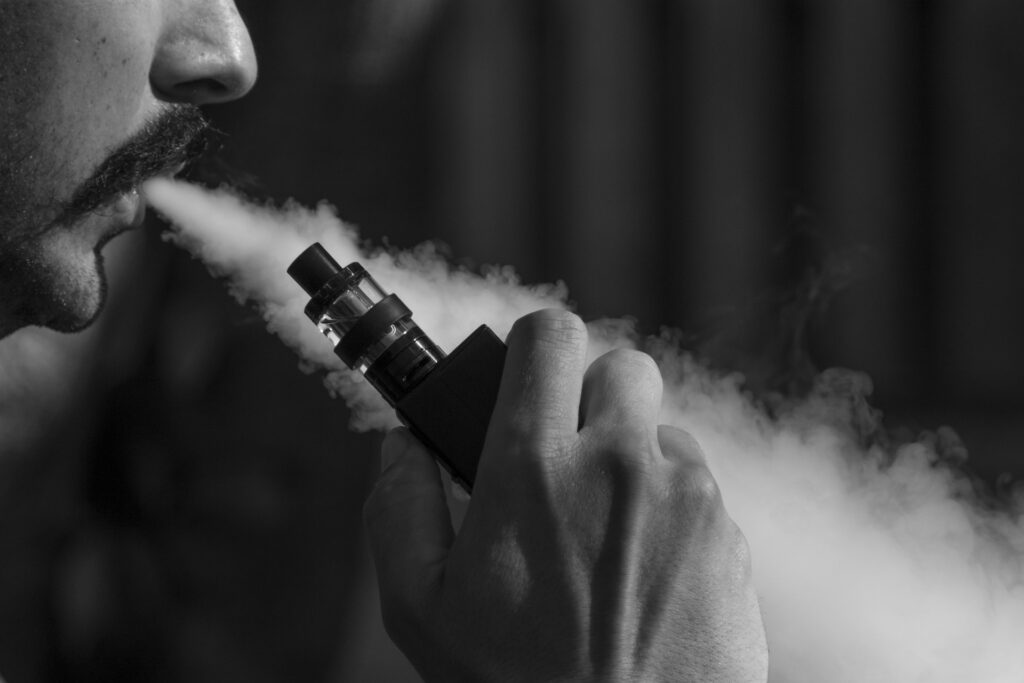
Vapor quality control is the foundation for consumers who want to experience safe, effective, and enjoyable vapor experiences. Vaporizers, whether for personal healing or cooking, are a combination of design, materials, and user expertise dictates the result.
- Temperature control is the single most important feature for consumer vapor quality. Dry herb vaping digital temperature vaporizers offer you specific ranges such as 177 to 190 degrees Celsius (350 to 375 degrees Fahrenheit), which is generally regarded as the sweet spot for dry herbs. This temperature spectrum emits the complete active profiles of flavor and cannabinoids without incinerating the plant matter.
- The vapor path material is just as important. Glass and ceramic are best because they’re inert and won’t infuse weird tastes or toxic chemicals into the vapor. Metal or plastic paths can influence purity and aroma, so they’re less perfect for flavor-conscious consumers.
- Chamber design counts. Even heating, which is usually done with convection or hybrid heating, vaporizes all the material evenly, preventing both wasted material and hotspots that can lead to harshness.
- Battery and heating element stability in portable models should not be overlooked. Reliable power output avoids temperature fluctuations and maintains vapor quality during extended sessions.
Personal Vaporizers
Much like any other consumer vapor, personal vapor quality is a function of temperature, material quality, and user behavior. Bad herbs or concentrates will give you a tasteless or even harsh vapor, no matter how good your device is. Devices with adjustable temperature allow users to customize the experience. Lower temperatures between 163 and 177 degrees Celsius increase aroma and flavor, while higher settings between 190 and 221 degrees Celsius increase potency but may irritate the throat.
In portable vaporizers, temperature swings lead to uneven vaporization. Glass and ceramic vapor paths maintain flavor integrity. Fast, deep pulls at high temperatures tend to generate harsh, irritating vapor. Regular maintenance and use of fresh, quality materials keep residue buildup and vapor quality in check.
Culinary Arts
Consumer Vapor QC Chefs are used to manage temperatures down to the degree. Herbs do best between 177 and 190 degrees Celsius because rich, nuanced vapor can add a flavor stamp to your meal. We use glass and ceramic tools to prevent undesired taints.
Just like in the culinary world, vapor quality dictates how well the flavors are extracted. The more volatile compounds and terpenes are retained at lower temperatures. If the vapor is too hot or impure, subtle food aromas are destroyed, and the experience suffers.
Techniques such as slow, regulated heating and inert materials provide optimal outcomes. Clean utensils and vigilant temperature control are imperative for both food safety and flavor.
Troubleshooting System Imbalances
Troubleshooting system imbalances in temperature and vapor quality is knowing the little steps that keep rooms comfortable and air pure. When vapor quality falls, it’s usually due to tiny details that folks forget. Use a checklist to start: check for dirty air filters, look for blocked vents, and test ducts for leaks. Clean or replace filters monthly to maintain air flow. Try something like the Fluke 62 MAX IR thermometer to locate hot or cold spots in the room. These devices pinpoint where air isn’t mixing correctly, which can translate into duct or insulation issues.
Temperature swings render vapor quality difficult to manage. If a space becomes too warm or cool, vapor can transform from dry to moist or vice versa, which can affect comfort or indoor air quality. A faulty HVAC unit can’t keep up when the weather shifts quickly. If it’s an old system, consider a tune-up or even a full check from a pro. Faulty thermostats or improper settings can result in large fluctuations. Check that the thermostat is properly set for day and night. If it misbehaves, have it repaired or swapped out.
Regular maintenance prevents minor issues from becoming major. Bad insulation allows cold or hot air to seep in, primarily in attics, rooms above garages, or additional rooms. This wastes energy and causes vapor levels to not remain stable. Schedule insulation checks and leak sealing. Check air flow at each vent. If you locate a room with weak flow, the duct may be blocked or leaking. Repairing leaks and clearing ducts keeps air flowing properly and moisture levels balanced.
Clogged ducts, filthy filter,s and subpar insulation all combine to create major vapor fluctuations. Keeping on top of these checks ensures the system performs better and lasts longer.
A Perspective on Energy Mastery
Energy mastery involves understanding how heat, energy, and vapor interact. It goes beyond raw data to grasp the actual energy flow and its impact on vapor quality within any system. This concept is relevant across engineering, medicine, and business, where energy consumption carries significant consequences. Central to this understanding is exergy efficiency—the amount of work extractable from available energy. Optimizing processes for energy efficiency reduces waste and improves output, whether in a laboratory, a power plant, or the kitchen.
Achieving optimal vapor quality requires insight into the relationship between temperature, energy input, and the vapor fraction in a mixture, known as vapor quality. In practice, monitoring these variables ensures the output—whether steam, vaporized medicine, or heated chemicals—meets the application’s needs. In industrial steam systems, even small changes in heat input can alter vapor quality and overall system efficiency. Excessive heat produces dry vapor that can damage pipes, while insufficient heat creates water droplets that reduce efficiency and may harm equipment.
Tracking energy use and learning to fine-tune it fosters control and reduces waste. Energy mastery is not only about extracting more work per unit of energy but also about understanding the broader implications—costs, system health, and environmental impact. Every joule conserved or used wisely contributes to reducing greenhouse gas emissions, supporting the fight against climate change.
Becoming proficient in energy mastery requires sustained effort, a solid grasp of thermodynamics, careful measurement of results, and experimentation with methods to minimize waste. It is a journey that combines both scientific rigor and practical intuition.
Conclusion
To maximize any heat or vapor system, understand the combination of temperature and vapor quality. Verify the figures, such as vapor quality, using appropriate equipment. In plants, quick inspections can prevent massive damage or loss. At home, small actions, such as reading gauges or changing filters, keep things safe and stable. If you notice strange heat or pressure, begin with the fundamentals. Search for leaks, bad readings, or easy fixes. Be familiar with your system to catch minor problems before they become major. Pass along tips to your peers or in the kitchen. Stay savvy.
Frequently Asked Questions
What is vapor quality in heating and cooling systems?
Vapor quality is the fraction of vapor in a vapor-liquid mixture by mass. It indicates the proportion of the mixture that is vaporized, which aids in evaluating operational efficiency.
Why is temperature important when measuring vapor quality?
Here’s what you need to know about temperature and vapor quality. Know the temperature and vapor quality.
How do you measure vapor quality in industrial settings?
Vapor quality in industry is quantified by sensors and analyzers.
What are the key benefits of controlling vapor quality for consumers?
Correct vapor quality saves energy, is safe, and prolongs equipment life. It provides reliable performance, reducing maintenance and operating expenses.
How can system imbalances in temperature and vapor quality be fixed?
System imbalances are addressed by increasing or decreasing temperature, pressure, or flow rate. Routine inspection and servicing allow you to identify and address problems early.
What problems can poor vapor quality cause?
Bad vapor quality reduces efficiency, harms equipment, and decreases safety. It tends to result in increased energy consumption and repair rates.
How does mastering energy control relate to vapor quality?
Energy control mastery leads to vapor quality mastery. Proper control results in efficient energy consumption, reduced costs, and consistent system operation.