
Key Takeaways
- By reading vape product labels mindfully, you’re able to confidently select based on nicotine strength and ingredients and verify that it’s a legitimate product. All of which impacts your safety and enjoyment.
- Always double-check the nicotine content, base ratio, and liquid volume in the metric system. These define your vapor production, throat hit, and product longevity.
- When it comes to cannabis vape products, evaluate the cannabinoid content and terpene profile to make sure the experience aligns with what you are looking for. Confirm the extraction method is safe and high-quality.
- Verify authenticity with the batch number, expiration date, and any quality seals or third-party certifications by cross-referencing with the manufacturer.
- Be aware that certain information, like coil compatibility and the veracity of flavor descriptions, might not be listed on the label. Cross-reference with other sources and user reviews when necessary.
- Become a critical, consistent label reader, curious and cautious, so that your vaping decisions support your health, preferences, and usage goals.
Reading vape product labels with confidence entails understanding essential information such as ingredients, nicotine strength, warnings, and batch numbers. New vapers have trouble reading small print and technical jargon. Clear labels assist us all in identifying potential allergens, tracing product safety, and detecting counterfeit products. For the most part, vape labels will give you the following information: type of vape, flavor, nicotine strength in milligrams per milliliter, and safety icons. A few brands even include QR codes for lab test results and country of origin. Once you know these basic parts, it is far simpler to compare brands and choose safe products. The main body below deconstructs each label section and highlights what to verify to make informed decisions, regardless of your experience level.
Understanding Your Vape Label
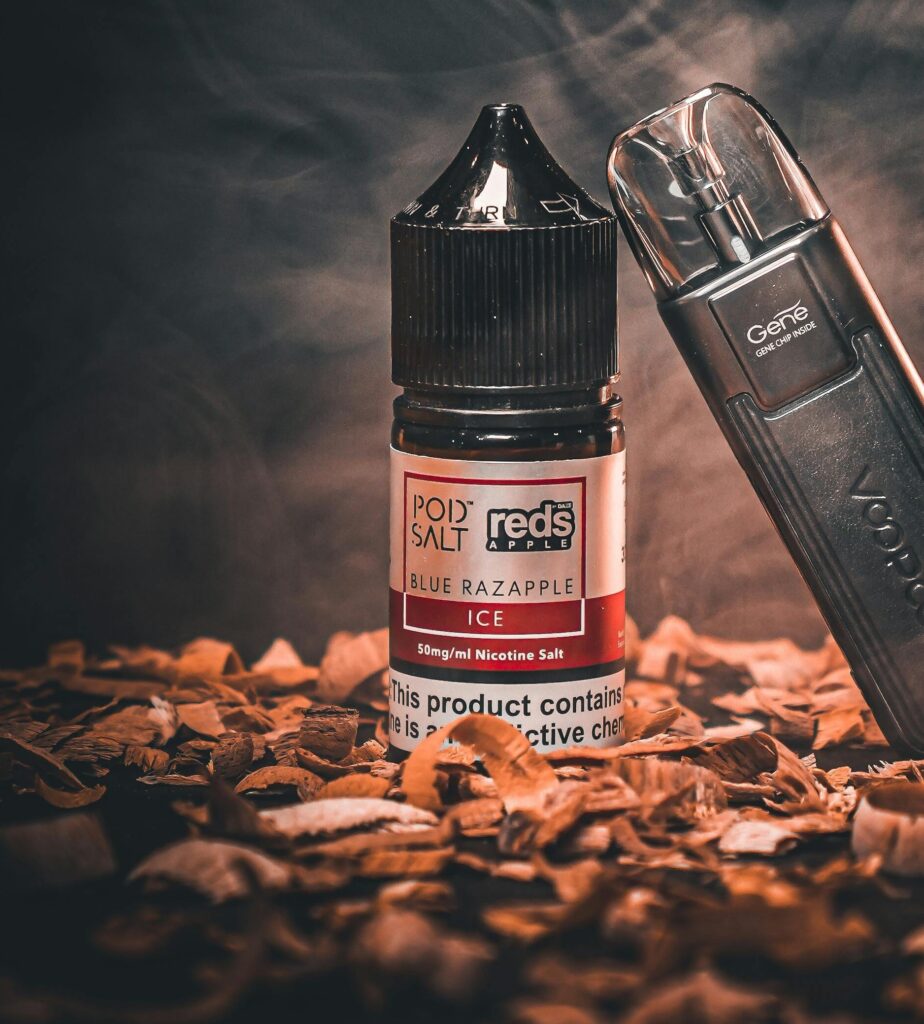
Vape labels contain essential information that assists consumers in choosing the appropriate product and consuming it responsibly. Decoding your vape label is crucial for being informed and responsible. From ingredients to nicotine levels, knowing what every part of your vape label means is important information, especially for vapers who are new to vaping or who have to manage certain preferences.
Key Components to Look for on a Vape Label:
- What the product is and what flavor it is.
- Nicotine level is indicated in milligrams per milliliter or percentage.
- Liquid volume, often listed in milliliters (mL).
- Base ratio, commonly presented as VG/PG, influences vapor production and taste.
- Ingredient list, highlighting possible allergens or additives.
- Manufacturer information, including contact details and certification marks.
- Legal warnings include nicotine addiction risk and age restrictions of 18 or 21 plus.
- Batch and expiry date for product traceability and safety.
Nicotine Level
Nicotine strength is a central piece of information. Typically, it’s listed in mg/mL, but on occasion as a percentage. In other words, just cut the mg in 10 and you have the percent. For example, 6mg/mL equals 0.6%. Typical strengths include 3mg, 6mg, and 12mg. Low amounts, like 3mg/mL, suit casual vapers or sub ohm vapers. If it’s a high strength, like 5% or 50mg/mL, it’s for heavy or pod-style users. Getting it right is crucial. Newbies should begin with 3 to 6mg/mL to avoid dizziness or scorchy hits. Don’t forget to read the nicotine warning and verify you are old enough.
Liquid Volume
Liquid volume, displayed in mL, aids in monitoring consumption and scheduling refills. Tiny bottles (10 to 30 mL) work well for light users, whereas larger ones (60 to 120 mL) cater to daily vapers. Understanding your daily or weekly dosage allows you to calculate how long a bottle will last. Decode your vape label. Compare bottle sizes and prices for the best value for your habits.
Base Ratio
VG/PG ratios define your vaping experience. VG provides thick clouds and a smooth mouthfeel, while PG enhances throat hit and flavor. VG, such as 70/30, is perfect for cloud chasers. A 50/50 ratio provides the best of both worlds. Reading the ratio helps match the juice to your device and taste.
Key Ingredients
Decode your vape label. Look for simple mixes: VG, PG, nicotine, and flavorings. Natural flavors and clear carrier oils are hallmarks of quality. Swab for extra ingredients, like sweetener or menthol, that can alter the experience. Understanding if the juice utilizes nicotine salts or freebase nicotine is critical. Salts provide higher strength without harshness.
Manufacturer Details
Reputable manufacturers provide detailed contact information, batch codes, and laboratory reports. Certification marks and transparent sourcing demonstrate product safety. It is shady when their labels lack contact information or appear unprofessional. If you don’t know the company, do some research. The good brands are transparent and accessible.
Understand Nicotine Nuances
Know Nicotine Nuances Reading vape labels involves understanding how nicotine is represented and what it implies for your well-being and experience. Labels will typically use milligrams per milliliter or percentage to note nicotine levels. These labels inform your preferences and enjoyment each time you light up.
Milligrams vs. Percentage
Nicotine in ejuice is almost always represented as mg/mL or as a percentage. For instance, 6mg/mL equals 0.6%. To translate mg/mL to percent, divide by 100. So 12mg/mL is 1.2% and 20mg/mL is 2%. This is helpful if you encounter varying units on packaging from different manufacturers or countries. A lot of new users get the math wrong at first. For reference, a product labeled “5%” refers to 50mg/mL, whereas “2%” refers to 20mg/mL.
Knowing this information allows you to make a selection that suits your needs. Low to moderate nicotine, for example, 3mg or 6mg/mL, usually works best for beginners. Ex-smokers transitioning from a pack-a-day habit often want 12mg or 18mg/mL for a stronger buzz. The VG/PG ratio has nothing to do with nicotine strength, which means just because a liquid has a high VG content doesn’t mean it has more nicotine.
Be sure to double-check the label for nicotine content, as the strength can differ even if two bottles appear identical. This is crucial for making intelligent decisions, particularly if you switch brands or experiment with new products. Even if you can’t directly compare strengths, it’s useful know-how for all vapers.
Salts vs. Freebase
There are two main types of nicotine in vape juice: salts and freebase. Nicotine salts are a different chemical form of nicotine that gets absorbed by the body quicker and is less harsh on the throat. These are typical in stronger strengths, such as 20 mg/mL or 50 mg/mL. Freebase nicotine, meanwhile, is the traditional variety present in most conventional e-juices. It provides a more intense throat hit and is normally vaped at lower strengths, like 3 mg/mL or 6 mg/mL.
Deciding between salts and freebase comes down to what you’re trying to achieve. If you want a smooth hit and fast-acting, choose nicotine salts. If you crave a sharper, more traditional sting, freebase might be your match. Many seasoned vapers blend both into their schedule, trading based on time or temper.
The nicotine type influences your vaping habits, specifically how much you vape and how frequently. Because salts can get to cravings quicker, you might not need to take as many puffs. Freebase generally requires longer sessions with less nicotine per puff. What’s right for you is a matter of your comfort, your device, and your intention to vape.
Interpret Cannabis Vape Labels
Cannabis vape labels are made to provide transparent information about what’s in each product, so you can choose wisely. These labels can be confusing, technical, and regulatory. When you know what to look for, it becomes much easier and safer. Key points to review on cannabis vape labels include:
- Product, brand, and strain name
- Total THC and CBD content (in mg or %)
- Minor cannabinoids and their ratios
- Terpene profile and potential effects
- Extraction method and process details
- Volume (mL) and potency (mg)
- Health warnings and age restrictions (usually 21+)
- QR code or link to Certificate of Analysis (CoA)
- Expiry date, batch number, and manufacturing details
Cannabinoid Content
The first thing you notice is usually the THC content, which is given as a percentage, typically 60% to 90% in vape products, far higher than in flower. Labels indicate CBD and occasionally minor cannabinoids like CBG, CBC, or CBN. This breakdown lets you interpret the full chemical profile. Knowing the THC to CBD ratio is important. For example, a 2 to 1 THC to CBD vape will feel stronger than a balanced 1 to 1 product. Some like higher CBD for less psychoactivity, some like higher THC for a punch. It’s easier to dose when the label lists the total cannabinoids in mg. Read Cannabis Vape Labels. A decent label will display more than just THC and CBD, providing you a more complete picture of the product’s impact profile.
Extraction Method
Labels should say how the cannabis oil was extracted. CO2 and ethanol extraction are common, both safe and able to maintain cannabinoid and terpene profiles. Ane or propane extraction, although less frequent, can potentially leave residues if not properly purged. Explicitly stating the method demonstrates transparency and dedication to quality. Extraction affects taste and strength. CO₂ retains more terpenes, so it tastes better. Ethanol might extract more cannabinoids but less volatiles. Always seek specific extraction information and steer clear of ambiguous phrases like “proprietary blend” with no backup information.
Verify Product Authenticity
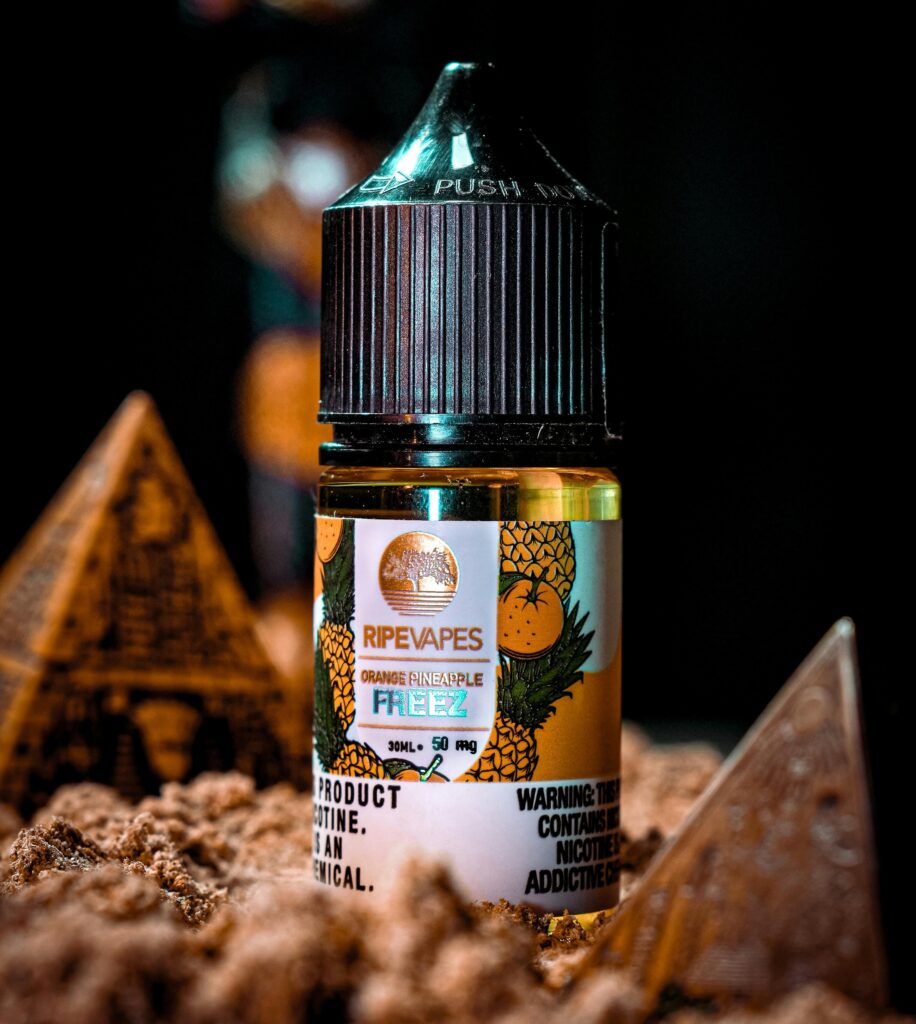
Knowing about vape product authenticity is not just a matter of the label. It’s a process that combines visual inspection, careful review of product information, and, if necessary, verification with the manufacturer. If you read the label with a skeptical eye, know what to look for, and use all the resources at your disposal, you’re the best way to avoid counterfeits and stay safe. Here are some key actions and considerations.
- Begin with a close look at the packaging and device. Authentic packaging has a sharp CH brand, correct logos, and complete specifications. Check for ingredient lists, nicotine strength, and safety warnings. Insufficient details or blurred printing are a tipoff to fakes.
- Shop only from trusted stores or official brand sites. Steer clear of unknown or third-party sellers, particularly when prices seem too low to be true, or items are sold in bulk.
- Check quality marks and safety certificates. Clear identifiers, including CE, indicate international conformance. Seals must be pristine, unbroken, and consistent with the brand’s official seal design.
- Scan QR or authenticity markers if available. Most brands provide web verification tools for additional confidence.
- If in doubt, check the manufacturer’s website or customer service. Most brands have batch verification and can confirm details.
- Make sure you always read through every line on the label. Checking online, seeing what others say about it, and hearing from other users helps you feel good about it.
Batch Number
Batch numbers are unique codes for individual product lots. They assist in tracking the background and authenticating the source of the vape, enhancing quality assurance. To spot a lot number, double-check it against the manufacturer’s records or request confirmation through customer support. Newer batch numbers frequently signify more recently produced inventory, which may impact the flavor and safety of the product. In the case of matched products, matching batch numbers across boxes or pods indicates that the batch was produced at the same time. Batch tracking is key to recalling unsafe products because it means brands can swiftly track down and rectify any problems.
Expiration Date
Always find and read the expiration date. Beyond the expiry, the hygiene and the efficacy of the product might be compromised. Longer shelf lives provide more value and flexibility, particularly if you’re an infrequent bulk buyer. Products that are out of date should be discarded safely according to local waste regulations. Don’t attempt to utilize or recycle expired vapes; the chemical composition may no longer be secure.
Quality Seals
Quality seals mean third-party testing, putting yet another brick in the trust wall. Opt for brands that prominently exhibit trusted certifications and seals on packaging. These seals indicate that safety assertions have been tested by third-party laboratories. Watch out for counterfeit seals—match them up to the brand’s official images online to identify fakes. No seals or certifications is a huge red flag and should make you doubt the product’s authenticity.
What The Label Omits
What a lot of vape product labels don’t tell you is the important bits that count for safety and enjoyment. Often, the label jumps right past the chemical list, so you’re not even aware of the specific flavor formula or which additives are thrown in. You rarely see a terpene profile, which can affect flavor as well as effect, particularly with cannabis-based products. Batch numbers are occasionally omitted, thus making it difficult to verify authenticity or trace the product in the event of problems. Certain labels fail to mention whether the product contains nicotine or THC, which is important for individuals with specific health or legal considerations. Warnings about allergens or sensitivities can be missing, leaving users vulnerable. Information about how to store or use the product for optimal shelf life may be absent. Others take clear instructions for use and leave them off, so they’re likely to be misused. Manufacturing process details, which can impact quality and safety, are seldom revealed.
Coil Compatibility
Coil compatibility is important, so always check before you buy. Improper coil usage can reduce performance or damage your device! The label might not always state whether the product works with your coil, so you’ll have to look up your device guide or manufacturer’s site for this information. Coil resistance, in ohms, alters your vapor and flavor. Low-resistance coils provide monstrous clouds but consume more power and liquid. High-resistance coils vape better at low wattages and provide a smoother flavor with smaller clouds. Match the coil type and resistance to your device’s specs for optimal performance! Look up reviews or user guides for your device to identify the appropriate coil options. This can assist in establishing a safer and more pleasurable vaping experience.
Flavor Accuracy
Vape flavor names may not be what they taste like. Producers use fun names such as “Mango Chill” or “Cool Mint” that sometimes are not indicative of an actual flavor in real life. User reviews give a better sense of how a flavor tastes, so scope out vape forums or independent sites pre-purchase. Playing with sample packs may assist you in discovering what suits your palate. Taste is very personal; what’s sweet for one person could be bland for another. Remember this as you experiment with new products.
Device Settings
Tuning your device is the secret to tasty vapes. Something the label doesn’t mention is that it might say a product has a wattage range or temperature, but it frequently doesn’t say what impact these have on flavour and vapour. See if your device allows for variable settings and begin lower to prevent burning the coil. Ramp it up gently until you discover that perfect blend of taste and smoke. Always check your device’s manual for safe settings, particularly if the label omits this info. This prevents harm and makes sure you apply the product as directed.
Your Label Reading Mindset
Adopt your label-reading mindset towards vapes, viewing every label as a roadmap to clever decisions. While label reading may feel dense at first, it is a skill that yields real rewards. Labels say a lot more than ‘brand’ or ‘design’. They display essential information like nicotine warnings, TPD compliance, manufacturer details, and expiration dates. These aren’t just formalities; they protect your health and keep you from using substandard products. Search for transparent nicotine warnings and authentic contact information on each label. If anything is missing or if the label is ambiguous, that’s a red flag. Trustworthy brands want their consumers to understand what’s in them and how to contact them.
Keep an inquisitive label-reading mindset towards your vape’s ingredients. Most labels will indicate the nicotine strength, usually in mg/mL. Reading this number correctly helps you match your tolerance and enjoy vaping more. As a general guideline, beginners should seek out lower strengths of nicotine, in the neighborhood of 3-6 mg/mL, while heavy smokers may want to seek higher levels, which are 12-18 mg/mL. If the label has nicotine as a percent, a fast conversion is to divide the percent by 100 to get mg/mL. For instance, 1.2 percent equals 12 mg/mL. This is crucial for selecting something appropriate and not overdoing it. Certain liquids utilize nicotine salts, which are silkier at higher strengths and pair most effectively with pod kits, so keep an eye out for that on the label if you’re after a gentle hit.
Create a label-reading mindset. Whenever you grab something new, look for shifts in flavor profiles, expiration dates, and updated compliance marks or cautions. Certain labels mention the flavor profile, like “berry mint, icy” or “tobacco vanilla,” which can assist you in selecting flavors you enjoy. If you see a label that doesn’t have obvious safety warnings or doesn’t describe what’s inside, skip it because good labels indicate the maker cares about safe use.
Trust your gut as you select. If a label seems hinky or if you spot something undesirable, it is fine to pass on the item. The more you read and compare, the more confidence you gain in your own picks.
Conclusion
To read vape labels with confidence, focus on the truth of the pack. They provide information on what’s in every pod, pen, or cart regardless if you’re buying a nicotine or cannabis vape. Basic language such as “mg/mL” or “total cannabinoids” appears on the majority of lawful products. Look for batch numbers and seals to identify the authentic imposters. A few details hang off the label, though, so query your shop or peruse online lab sheets if you crave the full rundown. Trust your eyes and trust what you experience. For more tips or if you want to swap stories, drop a note in the comments or reach out online. Intelligence expands when we communicate it.
Frequently Asked Questions
What information should I look for on a vape product label?
Ensure the product has information on nicotine or THC levels, ingredients, manufacturing date, and safety precautions. This information helps you decipher the product’s potency and quality.
How can I verify the authenticity of a vape product?
Check for batch numbers, QR codes, and brand seals. Genuine items usually contain sealed packaging and identifiable details. Be sure to purchase from trusted vendors.
Why is the nicotine level important on vape labels?
Nicotine concentration impacts your experience and health. Being aware of the quantity assists you in selecting a product that aligns with your preference and tolerance while minimizing the danger.
What does “PG/VG ratio” mean on vape labels?
PG and VG, or propylene glycol and vegetable glycerin, are standard vape liquid bases. The ratio impacts vapor production and throat hit. Select the ratio that fits your needs.
Are all vape ingredients listed on the label?
Not necessarily. Some labels might scrimp on listing certain flavorings or additives. Choose brands that offer full transparency for greater safety and informed choices.
How can I identify cannabis content on vape labels?
Look for THC, CBD, or other cannabinoid levels listed in milligrams or percentages on cannabis vape labels. This helps you understand potency and effects prior to use.
What should I do if the label is unclear or missing information?
Don’t use sketchy products. Reach out to the manufacturer or retailer for information. A clear, complete label demonstrates the brand’s commitment to safety and transparency.