
Table of Contents
ToggleKey Takeaways
- Let go of the basic indica-sativa dichotomy by understanding that experience, body chemistry, and hybrids all factor into your cannabis effect.
- Your preferences and goals, such as relaxation, creativity, and relief, should drive your cannabis flower selection, not trends or hype.
- You can rely on your senses — aroma, taste, visual inspection — and diligent parsing of lab-tested cannabinoid and terpene data to make informed choices that are best suited for your needs.
- It is worth journaling your cannabis experiences, including strain names, effects, and context, to help dial in your future choices and discover patterns unique to you.
- Try out different varieties, cannabinoid ratios, and intake methods, keeping an open mind and using your recorded observations as your compass.
- You will benefit from checking in on your cannabis goals and letting the budtenders know, so you can be confident that you are trying the right products for your changing needs.
Selecting cannabis flower based on personal preferences, not trends, is all about selecting for your own tastes and requirements, not what’s hot at the moment. You get better results when you shop for the strains, aromas, and effects that suit your objectives. Everyone responds differently to cannabis, so what suits one may not suit you. Some strains assist in relaxing, while others will keep you alert or focused. The look, feel, and scent of the flower contribute heavily to your experience. When you know what you like, you get the most out of every hit. Below, we’ll show you how to locate and select the cannabis flower that suits you.
Beyond Indica And Sativa
The weed world is far more intricate than just the old indica and sativa divide. For decades, these terms have guided how you select cannabis strains, but this basic split merely scratches the surface. Every cannabis flower has its own unique blend of cannabinoids and terpenes that collectively create its effects, scent, and flavor profiles. Even different strains that share a label can vary in their effects on you. To enhance your overall cannabis experience, moving beyond general types to chemovars and your personal cannabis journey gives you more power.
The Myth
The notion that all indicas chill you out while all sativas energize you is not always accurate. You’ll often hear this in cannabis shopping guides or from friends, but the science behind it is flimsy. An indica strain does not always guarantee a calm effect, just as a sativa doesn’t automatically lead to increased energy. Two different cannabis strains labeled as ‘indica’ can produce completely different sensations due to their unique chemistry.
Everyone’s body responds to cannabis differently, influencing their overall cannabis experience. For instance, one individual may find a relaxing effect from an uplifting sativa, while another may have the opposite reaction. Factors such as body chemistry, previous cannabis consumption, and mood can all alter how you perceive a strain’s effects.
Your cannabis buds might provide a light, zen effect that doesn’t align with its label. Relying solely on the variety could lead you to miss out on the right cannabis strain that suits you best. Personal testing is crucial; observe how you respond and don’t hesitate to experiment with different cannabis strains to find what works for you.
The Reality
Cannabis effects extend beyond just indica or sativa classifications. Each cannabis strain possesses a unique combination of cannabinoids, including THC and CBD, along with various terpenes like Myrcene and Limonene. These compounds interact in fascinating ways, creating distinct profiles for each cannabis flower. Terpenes do more than provide pleasant aromas; some, such as Linalool or Pinene, can assist with stress relief or enhance focus. With over 200 identified terpenes in cannabis, they significantly alter the overall cannabis experience.
The growing style, climate, and soil influence the quality of cannabis produced. Strains cultivated in different regions may deliver varying effects, even if they share the same name. Additionally, individual tolerance and health can affect how a strain impacts someone. For instance, CBD strains can soothe nerves or alleviate pain without the psychoactive effects typically associated with THC strains. Understanding your personal cannabis journey is essential for maximizing benefits.
To achieve results tailored to your needs, consider exploring different cannabis strains classified by their chemical composition, known as chemovars. This method allows for a more informed approach to cannabis consumption. Always read labels for cannabinoid percentages and terpene content, rather than simply following current trends in the cannabis industry.
Your Experience
You bring your own story to every session, especially when considering your cannabis experience. Reflect on the different cannabis strains you’ve tried. Which ones helped you calm down? Which ones were too potent or made you anxious? Take note of the flavor profiles, aromas, or effects that stand out, as these observations can guide your upcoming strain selection.
How you use cannabis is just as crucial as what you choose. Smoking, vaporizing, or consuming edibles of the same strain can yield varying effects each time. Start low and discover what suits you best, particularly when exploring new cannabis products.
Don’t overlook hybrids or emerging strains. Hybrid weed often blends characteristics from both sativa and indica strains, offering the balance you seek. Stay open to sampling chemovars with diverse cannabinoid profiles, even if they don’t fit neatly into standard classifications.
How To Choose Cannabis Flower
Choosing the right cannabis strain is a personal journey. Instead of focusing on what’s trendy, prioritize your needs and the cannabis experience you desire. The correct strain selection comes from understanding your requirements, using your sensory perceptions, and verifying information, rather than simply picking based on appearance or popularity. Each step helps you pair different cannabis strains to your lifestyle and objectives, whether you need cannabis for therapeutic benefits or recreational enjoyment.
1. Define Your Goal
Determine your goal first. What do you want from cannabis? Do you need assistance with sleep, pain, stress, or to ignite creativity? Or do you just want to unwind after a hard day? List your goals to guide your choices:
- Relaxation or stress relief
- Pain management
- Enhanced focus or creativity
- Social enjoyment
- Sleep support
Quick use is not the same as long-term wellness. If you just want to take the edge off every now and again, your pick might vary from if you require daily assistance with anxiety or physical pain. Fit your strain to your lifestyle. Sativa is ideal when you require vitality or concentration. Indica suits those looking to unwind or relax. Hybrids can provide some of both. Check in with yourself as your needs evolve. That’s a continuous process, not static.
2. Trust Your Senses
Smell the bud. Scent is usually your best hint of impact and freshness. A robust, enjoyable aroma—earthy, citrus, or fruity—usually indicates high terpene levels. If you can taste a sample, that is even better. The flavor needs to meet your desires and shouldn’t be harsh or chemical.
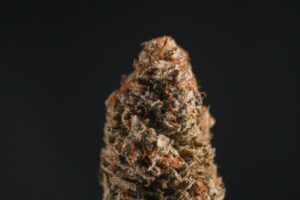
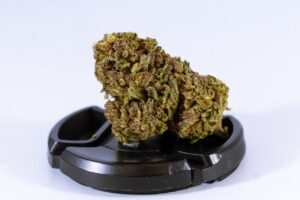
Mind the buds. Deep color and frosty trichomes usually indicate quality. Don’t select merely by appearance. See if it’s sticky but not wet, a sign of a good cure. Use your senses to judge if it’s right for you. Trust what feels and smells right.
3. Understand The Label
Know what’s on the label. Check for THC and CBD percentages. These indicate the flower’s strength. While most flowers are 15 to 30 percent THC nowadays, it’s wise to begin with lower levels, around 10 percent, then step up as you establish your tolerance.
Check for terpene profiles. Notes such as limonene (citrus), myrcene (earthy), or pinene (pine) suggest the impacts. Do some reading about cultivation practices and lab analyses. Keep in mind that not all labels are truthful. Request third-party lab certificates before you purchase.
4. Assess The Quality
Look for trichome coverage on the flower. These microcrystals contain cannabinoids and terpenes. A potent new odor equals high quality. If it smells stale, it could be old or badly cured.
Search for lab tests proving it is contaminant-free and mold-free. Compare flowers from different shops to find who has the most dependable quality product. Don’t purchase solely based on appearance unless something about it really seems amiss.
5. Consider The Context
Your selection of the right cannabis strain should suit your environment. If you’re hanging with your buddies or at a shindig, you’ll probably need a strain that’ll improve your mood. Conversely, when alone or pre-sleep, a chill cannabis strain could perform better. Consider the time of day and your activities, as well as the therapeutic benefits of different strains. Your vibe and vitality count as well.
If you take other meds, look for potential interactions. Quality cannabis can impact us all differently, so your top choice may vary with your situation.
Decoding Cannabinoids And Terpenes
Cannabinoids and terpenes play crucial roles in shaping your overall cannabis experience. While trends can influence your choices in cannabis strains, understanding the chemistry behind cannabinoids and terpenes helps you select the right cannabis strain that aligns with your needs. This informed perspective allows you to focus on the therapeutic benefits of various strains rather than merely following the latest fads.
Cannabinoid Ratios
Cannabinoids are the main drivers of your high. THC and CBD are the most popular. THC delivers the psychoactivity commonly associated with euphoric or creative energy or a “buzz.” CBD, meanwhile, is non-intoxicating, even if it’s just for some relief from stress, inflammation, or anxiety. The THC to CBD ratio of a flower shifts how it feels. THC-dominant strains tend to deliver a powerful mental high, which certain individuals utilize for social or creative endeavors. CBD-dominant options are a go-to among those seeking daytime, clear-headed relief.
When selecting a strain, consider your objectives. Use this checklist to help pinpoint the right cannabinoid blend:
- Relief from chronic pain or inflammation: Look for higher CBD with some THC in a 1:1 or 2:1 ratio of CBD to THC.
- Seeking mood boost or creativity: Moderate to high THC with some CBD to soften intensity. The ratio is two parts THC to one part CBD.
- Daytime focus and functionality: Low THC, high CBD, or balanced ratios help avoid strong intoxication.
- Anxiety reduction: Low THC, high CBD, or a strain with calming minor cannabinoids like CBG or CBN.
- Physical relaxation: Indica-leaning, moderate THC or a full-spectrum extract like Rick Simpson Oil.
Experiment with various ratios to find what suits your comfort level and objectives. Effects are sometimes different from individual to individual, so it’s wise to begin with low doses and adjust up accordingly. Watch the minor cannabinoids as well. Compounds like CBG, CBC, and CBN may be found in smaller amounts, but they can help round out the experience by imparting subtle effects. They provide each strain with its unique fingerprint.
Terpene Profiles
Terpenes are the aromatic oils that provide cannabis flowers with their unique scent and flavor profiles. These compounds can significantly alter your overall cannabis experience. For instance, limonene, found in citrusy cannabis strains, can enhance your mood, while pinene, reminiscent of pine, may assist with concentration and memory recall. Myrcene, the most common terpene, is well-known for its earthy aroma and sedative effects, making it a popular choice among those seeking relaxation.
Terpene | Aroma/Flavor | Potential Effects |
Limonene | Citrus | Uplifting, mood support |
Pinene | Pine, herbal | Mental clarity, alertness |
Myrcene | Earthy, musky | Deep relaxation, sedation |
Caryophyllene | Spicy, peppery | Stress relief, physical ease |
Linalool | Floral, lavender | Calm, soothing, sleep support |
If you have specific flavor preferences, consider exploring different cannabis strains that are rich in those terpenes. A citrus lover might particularly enjoy a limonene-heavy cannabis bud, which simplifies strain selection based on personal taste. This approach not only enhances the enjoyment of cannabis consumption but also allows users to tailor their experiences to their needs.
Terpenes play a vital role beyond just defining aroma or flavor; they work synergistically with cannabinoids in a phenomenon known as the ‘entourage effect.’ By interacting with THC, CBD, and other minor cannabinoids, terpenes can modify the therapeutic benefits of the cannabis product. For example, a myrcene-rich indica strain could provide deep relaxation, while a pinene-heavy sativa strain might help keep you alert, allowing for a more personalized cannabis journey.
Judging Flower Quality Visually
Visual cues can guide you to select quality cannabis that aligns with your preferences rather than whatever is in fashion. Most of us will only detect if a cannabis bud looks bad. Training yourself to notice quality indicators can help you select better blooms. Don’t trust appearance alone, for tags and looks are not always true. You still have to trust your own eyeballs. Different cannabis strains are categorized as Sativa, Indica, or Hybrid, and each has its distinct look and feel. What is considered “good” is often subjective. By honing in on the visual details—trichomes, color, bud structure, and freshness—you can judge for yourself what suits your needs.
Trichome Appearance
Trichomes are the little crystal-like glands on the cannabis bud’s surface. Magnified, you can see how dense and clear they are. The more trichomes, the more cannabinoids and terpenes, which correlate to potency and aroma profiles. Clarity matters: clear or cloudy trichomes usually signal peak maturity, while amber or brown ones may show age or degradation. For instance, a flower coated in thick, milky trichomes generally has a more profound effect than a flower with sparse, clear trichomes. By comparing trichome coverage between different cannabis strains, you can identify those that are probably stronger or more aromatic. If you peer closely, trichomes are one of the best visual indicators of quality cannabis—even when other signs are more ambiguous.
Color And Structure
Buds can be green, purple, or even blue, and top-shelf cannabis flowers often showcase a bright, consistent hue. However, color alone doesn’t determine the potency or freshness of the cannabis bud. Some cannabis strains naturally exhibit purples or blues, while others remain green, making it essential to understand what’s typical for each strain. Properly cured flower buds are compact and dense, enhancing the overall cannabis experience. Conversely, floppy, airy buds may indicate poor growth or curing practices. If you observe brown spots or dull patches, it typically signals an old or improperly stored flower. Uniform density and structure reflect meticulous growing and handling, crucial for quality cannabis.
Freshness Cues
Freshness and several other factors significantly influence how you judge quality cannabis. Rich, strong aromas are often a good indicator of premium cannabis, while weak or stale smells frequently provide advance notice of aged cannabis bud. Give the cannabis flower a gentle squeeze; if it is dry and crumbly, it could be too old. Excess moisture can indicate mold potential, and fading color or fragrance indicates age or improper preservation. Most buyers seek these freshness indicators because they associate them with the therapeutic benefits and overall cannabis experience, regardless of how nice the flower looks externally.

The Art Of Journaling
Journaling is an easy and effective method to monitor your cannabis consumption habits and discover the therapeutic benefits that different cannabis strains offer you. By journaling your thoughts, experiences, and observations, you establish a soul record that guides you to discover your individual reaction to various cannabis products. This habit is more than note-taking; it is a way to reduce stress, increase mental clarity, and cultivate self-awareness around your decisions. Morning journaling sets intentions, and nightly journaling reflects. This practice becomes a therapeutic outlet and source of insight for your overall cannabis experience.
Why Document
Documenting your cannabis adventures allows you to develop and become certain about what you enjoy rather than just pursuing what’s trendy. When you journal each session, you begin to notice what strains work for you and which don’t. This record, as it accumulates, becomes an invaluable resource for making wiser decisions and sidestepping errors. It provides you with an opportunity to cross-reference various strains, dosages, and methods of consumption, exposing you to trends you could otherwise overlook if you were to depend solely on recall.
Journaling enhances your connection to cannabis. You shift from consumption to construction. Reflection by writing helps you process your feelings and responses. Studies show this decreases anxiety and promotes mental health. This deep writing habit can be a lifelong asset, illuminating the evolution of your tastes and guiding you to improve your method as you discover yourself.
What To Note
Idea 2: Keep a journal. Each time you get high, jot down some key information. Note the strain name, cannabinoid content such as THC and CBD percentage, and terpenes, if possible. Map how much you used and how you consumed it—smoked, vaped, or otherwise. Record how you felt before, during, and after. This way, you can identify connections between strains and mood or effect.
- Strain name
- THC/CBD content (in percentage or milligrams)
- Terpenes present (if listed)
- Consumption method (flower, vape, edible, etc.)
- Dose amount (in grams or milligrams)
- Setting and time of day
- Effects experienced (uplifting, relaxed, focused, anxious, etc.)
- Side effects (dry mouth, paranoia, etc.)
- Mood before and after use
Context matters. Was it a quiet night in, or were you attending a party? Did that change your mood? If you experience side effects, jot those down so you can avoid those strains or delivery methods in the future. Your journal can be artsy—some folks enjoy doodling, splashes of color, or even collage, creating a more personal and reflective practice.
How To Apply
- Study your journal for patterns in strains, effects, and side notes.
- Pick new strains based on what worked or what you want to avoid.
- Bring your notes to a budtender or expert and receive focused recommendations.
- Continue to journal to monitor changes in your taste and responses.
Treat your journal as a living instrument. As you continue journaling, you’ll begin to notice new patterns in your own cannabis experience. This allows you to perfect your cannabis selections and escape the rut as the years go on. Discussing your discoveries with others, be they friends or professionals, can spark new concepts and assist you in discovering the right cannabis strain that aligns with your objectives. Journaling is not simply a habit, but a means of turning your cannabis consumption into a more mindful, personal, and effective knowledge-building practice.
Your Personal Cannabis Compass
Your own personal cannabis compass is about how you respond, think, and feel with cannabis and how you craft your decisions to align with your own objectives. Each body reacts differently to cannabis. Your tolerance, body type, and even the clock can affect how you feel afterward. Consider your cannabis compass your personal guide. It guides you in selecting the appropriate cannabis strain, potency, and dosage, ensuring you achieve the most effective effects. This is not about what’s new or what’s trending. It’s about discovering your own personal cannabis compass.
To establish a solid system for selecting the right cannabis flower, it begins with well-defined objectives. Understand why you wish to use cannabis. Seeking calm, focus, sleep, or something else? It’s easy, but it informs every other decision you make. For instance, if you’re looking to unwind in the evening, you’ll want to seek out a flower with more CBD and relaxing terpenes such as myrcene or linalool. If you need energy or focus, perhaps a cannabis strain higher in THC and pinene makes more sense. Record your objectives and observe how each bud affects you. This history aids you in identifying trends. Over the long run, you can track what strains, dosages, and combinations work and which don’t.
Nothing trumps your personal experience. What works for others may not work for you. Two individuals can sample the identical flower and experience completely different sensations. One relaxed, the other panicked. That’s why it pays to maintain a simple log. List the name of the flower, your dosage, primary effects, and if there were side effects. Add things such as the THC percentage, the CBD levels, and the terpene blend if you are aware of them. Over weeks or months, you’ll find what works for you. Some swear by a strain in the morning but not at night. Others observe their preferences evolve with tolerance or needs.
Keep yourself open to alternatives and anchor your decisions in your own standards. Amid the cannabis market’s sea of new strains and hybrids, each with varying blends of THC, CBD, and terpenes, it’s tempting to test what’s hot. Don’t forget what your own body says. Your Personal Cannabis Compass. Try new flowers carefully. Start with small doses and then monitor the effects. This keeps your approach safe and each test more helpful. As your body evolves or as you crave something different, your compass can drift. That’s natural. Check back into your notes and adjust your selections.
Your personal cannabis compass isn’t just a device. It’s a method of getting to know yourself, your body, and your mind better. Every selection, every cannabis flower, and every sesh is a stride in a grand adventure of exploration and euphoria. Take it all with your data, trust your gut, and let your own cannabis experience be your guide.
Conclusion
Selecting cannabis flower is reminiscent of picking food at a market. You know what you like, you know what vibes you best, and you know what suits your day. Avoid the hype and seek what works for you. Smell the buds, check the look and feel, and trust your own notes from previous attempts. Slow down, try new strains cautiously, and record your likes and dislikes. Your own path beats any trend or label. You make your own pace, you choose what aligns with your ambitions. Want to continue the education? Take notes, share with friends, and verify new information. Your own nose serves you best.
Frequently Asked Questions
1. Why Should I Look Beyond Indica And Sativa Labels?
Forget about indica and sativa labels; they certainly don’t completely characterize a cannabis strain’s effects. Instead, focus on the quality of cannabis and its therapeutic benefits.
2. How Do I Judge The Quality Of Cannabis Flower?
Seek out quality cannabis flowers by examining their color, scent, and trichomes for a better cannabis experience.
3. What Are Cannabinoids And Terpenes, And Why Do They Matter?
Cannabinoids, such as THC and CBD, influence your body and brain, while different cannabis strains, including sativa and indica strains, enhance your overall cannabis experience.
4. How Can Journaling Help Me Choose The Right Flower?
Jotting notes about your cannabis experience keeps you remembering which cannabis strains and effects you enjoy, guiding your strain selection.
5. Should I Follow Trends Or Choose Based On My Preferences?
Select cannabis flowers based on your own preferences, not on what’s popular. Your body is different, and the right cannabis strain might not align with trends.
6. What Is The Best Way To Discover My Personal Cannabis Preferences?
Experiment with different cannabis strains in small quantities. Keep tabs on how each cannabis flower affects you, and pay attention to patterns to enhance your overall cannabis experience.
7. How Do I Use My Personal “Cannabis Compass”?
Use your cannabis experience and notes to inform future selections. Go with your taste, not a label or trend, to maximize your overall cannabis experience.
Choose Cannabis Flower With Confidence At A Therapeutic Alternative
Cannabis flower can be deeply personal, and understanding how it’s grown, labeled, and experienced helps you move beyond trends and into informed choice. If these articles raised questions about terpene profiles, THC levels, freshness, or how to read labels with confidence, you don’t have to figure it out on your own. Thoughtful guidance makes a real difference, especially when your goals are wellness-focused.
Our team at A Therapeutic Alternative is always here to help you connect education to real options. Feel free to contact our team with questions or stop by for an in-person conversation rooted in care and knowledge. When you’re ready, you can also browse our cannabis flower menu to explore available options at your own pace and choose what aligns best with your preferences.