
Table of Contents
ToggleKey Takeaways
- You can enhance your confidence and safety as a cannabis consumer by carefully reading and understanding flower labels. These labels provide essential information about potency, cannabinoid content, and compliance.
- By considering not only major cannabinoids but also minor cannabinoids, terpenes, and the full cannabinoid profile, you get a more comprehensive understanding of a product’s effects and can make decisions more personalized to your individual needs and preferences.
- Looking at testing info, compliance seals, and contaminant results lets you verify the cannabis flower you choose provides the highest degree of safety and quality, regardless of your location.
- Reviewing the packaging dates, batch numbers, and origin information on flower labels helps you confirm freshness, trace reliability, and choose quality suppliers. These are key factors for ensuring the best experience.
- With a little practice, you will be able to glance at any cannabis flower labels and understand exactly what you are getting.
- Adding visual, aromatic, and textural evaluations to label knowledge fine-tunes your sense of what great cannabis flower looks like so you can always have a safe and enjoyable experience.
To read cannabis flower labels with confidence, you need to understand what each part means and how it assists you in selecting the optimal product for your preferences. Labels usually tell you THC and CBD content, strain or cultivation information, terpene profiles, and the harvest date. You receive visible indicators of potency, strain, and freshness. Some labels display growing methods or origin. Being aware of these facts assists you in making product comparisons and identifying quality. Trust your own decisions, identify what suits your consumption, and sidestep typical errors. These labels can seem tricky at first, but with a few simple tips, you’ll soon be reading cannabis flower labels with confidence. The following sections dissect each label component and provide you with actual tips for intelligent purchasing.
Why Labels Matter
This is why cannabis product labels are so important in helping you make knowledgeable and safe decisions. They provide the dosage information you need to compare products, find ones that meet your specific needs, and avoid nasty side effects. Labels are crucial for everyone, whether you are a new or seasoned user of medical marijuana or recreational cannabis. Each label bridges the gap between what’s in the box and what you hope to achieve in your journey, ultimately enhancing your confidence and promoting safety.
Beyond Potency
Cannabis product labels convey more than just THC potency; they also highlight the importance of minor cannabinoids like CBD, CBG, and CBC. These cannabinoids can significantly alter your experience, sometimes tempering or enhancing the effects of THC. For instance, high-CBD flower can help alleviate stress without the intense psychoactive buzz typical of high-THC strains. Understanding the THC label guide can help consumers make informed choices about their cannabis products.
Additionally, terpenes, the aromatic compounds in cannabis, are prominently featured on cannabis labels. They not only influence flavor but also affect the overall experience. For example, a myrcene-heavy strain may produce a sedative effect, while strains rich in limonene might provide an energizing sensation. Many brands include terpene profiles on their cannabis product packaging, allowing consumers to select based on desired effects or flavors.
A comprehensive cannabinoid profile on product labels, which includes THC, CBD, and other minor cannabinoids, equips consumers with the knowledge needed to anticipate their experience. This approach offers a more nuanced way to choose cannabis products beyond simply focusing on THC levels.
Your Personal Guide
Labels are important as they aid you in discovering items that align with your objectives, be it addressing pain or simply winding down. You can review THC and CBD ratios to find one that aligns with your previous experiences or your physician’s recommendations. Some choose high-CBD, low-THC flower for everyday use, while others select balanced blends for a gentler effect.
You’ll see serving size and package totals on the label. This indicates both your number of sessions and prevents overdosing or underdosing. Dosage-labeled ones let you start low and go slow, a common best practice. Knowing the onset time and duration of effects, when specified, allows you to plan your session and avoid surprises.
Ensuring Safety
Safety is at the forefront of every cannabis product label. You’ll want to check for lab test results, ensuring that the product is high quality and pure. These tests check for pesticides, heavy metals, and mold. Respectable brands showcase regulatory compliance seals or scannable QR codes linking to test reports, indicating their product adheres to health regulations.
They alert you to potential allergens or additives. This is key if you have sensitivities or want just clean flower. Legal products have the markings to show they comply with government standards, so you’re buying a safe, controlled product every time.
- Labels provide direction if you medically use cannabis, presenting definitive cannabinoid potency and dosage.
- They assist you in recreational product comparison, allowing you to identify the preferred experience or flavor.
- We label because it’s good for you, because it warns you of risks like allergens or high potency, so you can use cannabis responsibly.
- They allow you to easily monitor overly use, which keeps you out of the dreaded post-joy comedown fog.
How To Read Cannabis Labels
Cannabis flower labels can appear complex, crowded with numbers, technical words, and acronyms. These cannabis product labels are not just regulatory hurdles; they hold the essential data you need to make informed choices. Whether you’re a new consumer or an experienced user, learning how to read these labels can help you gauge product quality, dose safely, and tailor your cannabis experience. Most labels will include cannabinoid ratios, terpene profiles, essential dates, batch and origin details, compliance seals, and lab testing results, sometimes accessible through a QR code or a Certificate of Analysis (CoA) link.
1. Cannabinoid Profile
The cannabinoid profile enumerates the key players, especially THC (Tetrahydrocannabinol) and CBD (Cannabidiol), which are crucial for understanding cannabis product labels. These numbers are typically displayed as a percentage or as milligrams per serving, which can be perplexing when you’re comparing products. For example, a flower might read “THC: 18%” or “THC: 180 mg/g.” Total Active Cannabinoids represent potency and allow you to gauge the strength of the product. The higher the percentage, the more intense it is. Focus on THC and CBD values, as their balance or ratio will characterize your experience. Knowing how to decipher these cannabinoid ratios allows you to tailor your buy to your needs.
2. Terpene Content
Terpenes aren’t just about taste or scent; they can actually influence the overall effect of the cannabis product. Many cannabis product labels now display the terpene profile, listing the top 3 or 4 terpenes by name and percentage, such as myrcene, limonene, or pinene, each with its own impact profile. For example, limonene is associated with uplifting sensations, while myrcene can induce relaxation. Total terpene content can indicate freshness and quality, and elevated levels typically translate to more robust flavors and complex effects. By identifying which terpenes are present, you gain more control over the experience you’re likely to have.
3. Essential Dates
Pay attention to the packaging date and expiration date of your cannabis products. Similar to coffee beans, cannabis loses both aroma and potency as it ages. Certain cannabis product labels may also include a harvest date for added clarity. Batch numbers are important if you ever need to look up product recalls or specific lab results. While shelf life varies, most products remain most effective within a year of packaging. Use this knowledge to avoid stale items and optimize your investment.
4. Origin And Batch
Origin lets you know where and how the flower was grown—indoor, outdoor, greenhouse, or on a particular farm. Certain areas have superior or tougher regulations. Batch numbers can be used to track consistency in potency, effects, and safety. Looking up the grower or brand, particularly if the cannabis product labels include a QR code or CoA, can provide details on cultivation methods. Stick to trusted, licensed dispensaries to ensure you’re getting quality cannabis products that are legal and good.
5. Compliance Seals
Compliance seals are visual indicators of regulatory clearance, ensuring that cannabis product labels meet safety standards. These symbols signify that the product has been tested for contaminants and adheres to cannabis labeling requirements. While not every market bears the exact same seal, all legitimate cannabis products will have one displayed. These seals serve as a quick check for legitimacy, making it essential to purchase from licensed dispensaries.
Deconstructing Potency Claims
Deconstructing Potency Claims involves understanding how to interpret cannabis product labels effectively. This knowledge can help you sidestep typical pitfalls, make informed choices, and select products that align with your needs. Many myths surround THC numbers and their effects, often overshadowing important factors like cannabinoid ratios, terpene content, and the integrity of lab testing.
The THC Myth
We’re breaking down potency myths surrounding cannabis products. This assumption simplifies the science of cannabis effects. THC is the star psychoactive compound, but it’s not the only character that shapes your journey. Your own tolerance, use history, and body chemistry all factor in heavily. For example, a cannabis novice might feel potent effects from a strain with 12% THC, while an experienced user may receive all of the same from much less. Understanding the cannabinoid ratios is crucial for a balanced experience.
Cannabis flower can include other cannabinoids like CBD and CBG, as well as many terpenes. These compounds plug into your endocannabinoid system to affect the psychoactive and physical sensations you experience. A medium-THC, terpene-rich product may provide a more grounded, enjoyable ride than a high-THC, low-terpene alternative. Always verify the complete profile of cannabinoids and terpenes on your cannabis product labels or ask for a COA to see the full picture.
The potency printed on packaging is typically reported on a dry weight basis, although this doesn’t necessarily translate into how much psychoactive THC is delivered when you consume the product. Environmental factors like how the cannabis plant was grown and processed can vary these numbers. Some companies might use COAs that are old or recycled, so what they’re putting on the label might not be what’s really in the jar.
THCa VS. Delta-9 THC
THCa and delta-9 THC aren’t interchangeable, but they both make the label. THCa is the acidic, non-psychoactive form present in raw cannabis. When you heat cannabis by smoking, vaping, or cooking, THCa becomes psychoactive Delta-9 THC, a process called decarboxylation. So the psychoactive potential of a product isn’t always obvious from the label unless both forms are provided.
If non-intoxicating effects are your preference, then high-THCa, low Delta-9 THC products are something to really take a look at, particularly if you won’t be heating the product. If you’re after a more potent high, shop for products with high total THC, which typically includes a mix of both. Always check the COA for clear breakdowns and cross-reference the attach number and lab ID to verify authenticity.
The Entourage Effect
Cannabis isn’t just about THC or CBD; the entourage effect is about how cannabinoids and terpenes interact, sometimes amplifying or smoothing effects. For example, myrcene and linalool can be sedating, while limonene can be energizing, and selecting something with an interesting cannabinoid and terpene profile is often a more reliable, fun path to follow.
Full-spectrum products maintain this synergy. Isolates hone in on single compounds. If you appreciate a wide array of effects or have targeted ambitions such as sleep or pain relief, seek out products offering a full complement of cannabinoids and terpenes, backed by a validated COA. This way, you can tailor products to your needs, not THC counts. Your mileage may definitely vary, so start low, go slow, and adjust as you learn what works for you.
Analyzing Safety Information
When you examine a cannabis product label, your first step should be to review the safety information. This crucial information helps you determine whether a product is safe and of high quality. A robust label should display test results, cultivation details, and proof that a third-party lab has tested it. You’ll want to see a COA either printed, linked, or as a QR code. If it’s missing, this is a red flag, and you should probably avoid that product. The label can help you identify harmful substances, like vitamin E acetate, which has been linked to severe illnesses. Understanding the THC levels and potency keeps you informed and safe.
Contaminant Testing
Contaminant | Typical Safe Level (mg/kg) | Noted Risk | Tested By |
Pesticides | < 0.1 | Neurological issues | Third-party |
Heavy metals | Less than 0.01 | Organ damage | Third party |
Germs | Zero | Contagion | Outsider |
Solvents | Less than 0.5 | Respiratory effects | Third-party |
Vitamin E acetate | Not found | Lung injury | Third party |
You want to see these levels on a COA, not merely a stamp of approval. Third-party labs are key; they don’t have a stake in the product and give unbiased results. If you see a Q code or a link, scan it or look up the COA. Look for things like the date, the batch of the sample, and the results. This guarantees that what’s in the package is what was tested.
If it’s over the safety limits for contaminants, don’t use it. Safety studies are clean, which means they’re probably not full of anything harmful. Analyze safety info and watch out for vitamin E acetate, especially in vapes. You’d like to believe the item you select won’t endanger you. Take this info together with cannabinoid content and serving size to select what feels right for you.
Cultivation Methods
The way cannabis is cultivated speaks volumes about it. Indoor, outdoor, and greenhouse methods all have an effect on the plant. Indoor grows have greater control over light and environment, which can imply fewer pest problems. Outdoor cannabis utilizes natural sunlight and soil, potentially resulting in more robust terpene profiles but increased susceptibility to pests or contaminants. Greenhouse is a blend, leveraging both sunlight and controls.
Others seek out organic means, no artificial pesticides or fertilizers. Others don’t mind traditional farming. If you’re healthy, see if it says “organic,” “pesticide-free,” or whatever. It helps you choose a bloom that aligns with your principles. If the label is unclear, either scan the QR code for details or request the COA from the provider.
Verifying Lab Results
You have to learn to recognize genuine lab tests. A COA from a trusted, accredited lab is the gold standard. Check for specifics such as the lab’s certification, test date, and batch number corresponding to the product. An absent or ambiguous COA should be a red flag.
Good lab results are transparent, enumerating all tested substances, cannabinoid profile (Delta-9 THC, Delta-8 THC, THCA), and any contaminants found. If you encounter only partial info or an abundance of jargon, tread carefully. Utilize the 60-second COA check by scanning the QR code, verifying the lab, and checking batch numbers. If you can’t locate these, seek a different item.
Getting confirmed results increases your confidence. You know what you are getting and can use the info to guide safe and effective use.
Making Informed Choices
Cannabis flower labels aren’t just a box to tick; they serve as your primary tool for making informed choices about legal cannabis products. These labels provide strength information, cannabinoid ratios, and third-party test results. By reading them properly, you empower yourself to align with your desires, control your protection, and avoid danger. Understanding how to utilize this information puts you in the driver’s seat, allowing you to select cannabis products that work for you instead of those that merely look appealing.
Aligning With Effects
Begin with understanding cannabinoid ratios. THC and CBD, along with other cannabinoids, significantly affect us. A THC-heavy strain will be more mind-altering, while a higher CBD ratio may offer soothing effects with fewer side effects. Always review the THC to CBD ratio; this balance can help you manage your experience with cannabis products and avoid unwanted reactions.
Terpene profiles provide an additional dimension. Terpenes like myrcene, limonene, and pinene shape your experience. Myrcene may mellow you out, limonene can energize your mood, and pinene provides focus. Seek out strains that are 100% indica for chill or 100% sativa for a more energetic vibe. This assists you in selecting a strain that suits your habits, whether you consume cannabis to relax at night or keep high-spirited throughout the day.
Evaluate your own tolerance when considering cannabis product labels. If you are new, start with products marked as low-potency and avoid high-percentage THC. Labels often include dosage information and warnings about possible effects, so read these carefully. This practice helps to prevent overconsumption and reduces the risk of negative outcomes such as anxiety or other mental health concerns.
MATCH products to your needs. Some people like indica for relaxation, while others seek sativa strains that provide an uplifting buzz. Using label information, you can tweak your decisions to enhance your experience and avoid those nasty side effects.
Comparing Products
To be a savvy consumer, you need to know how to evaluate products against each other. Begin with the key details: potency, cannabinoid and terpene content, cultivation method, and price. This allows you to determine what product provides the desired effects within your budget.
- Cannabinoid percentage (THC, CBD, other cannabinoids)
- Terpene profile and dominant terpenes
- Strain type (indica, sativa, hybrid)
- Organic or synthetic cultivation methods
- Third-party lab test results and compliance seals
- Price per gram or per package
Price against quality, always. More expensive is not necessarily better stuff. Seek out seals that indicate third-party testing or organic farming. These could be indicators of premium or non-hazardous toys. It allows you to discover new strains or brands that may better suit you, giving you the opportunity to experiment with a different option still within your comfort zone.
Spotting Red Flags
Not all cannabis is created equal. Bad labels can be indicative of larger quality and safety issues. If a product does not have detailed cannabinoid or terpene content, it might be a product to skip.
- Missing or vague cannabinoid numbers (THC/CBD percentages)
- No terpene information
- Lack of third-party lab results
- No compliance or quality assurance seals
- Overly vague or generic health claims
Any product without definitive lab results or a seal of compliance is likely falling short on safety. Steer clear of products that don’t list suggested serving sizes because you might end up taking too much or experiencing side effects. Labels without this information can endanger you with nasty side effects or no results at all. Observing these red flags safeguards your well-being and guarantees more enjoyment.
The Unwritten Label
Checking out the actual cannabis product labels is only half the equation. You read a great deal from what’s referred to as the unwritten label—the drawing and sending that isn’t on the package but emanates from your senses, the hive mind, and your own history. These indicators will help you identify excellence, enter effects, and make informed decisions regarding legal cannabis products. The unwritten label is defined by word of mouth, online communities, and the feedback from those who dared try it. It shows you what you will not discover in the fine print. Understanding how to read these unwritten labels signifies that you’re not simply bringing the cannabis label with you when you shop, but also enhancing your cannabis education.
Visual Cues
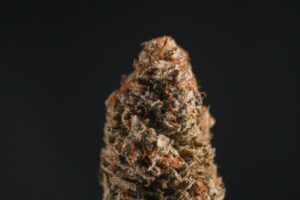
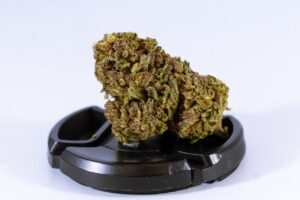
A flower in close focus can say a lot about the quality of cannabis products. The buds’ structure, whether tightly packed or loose, can indicate how the cannabis plant was cultivated and cured. Tight and slightly bouncy buds are usually a sign of good care, while airy or disproportionate buds suggest that the cannabis was grown in a hurry or under lesser conditions. Color is also crucial; healthy cannabis flowers display bright greens, dark purples, and occasionally even a hint of orange or red hairs. These colors can signal certain flavonoids and a fresh, well-cured product.
Trichomes—those little, crystal-like structures on the surface—are among the most revealing signs of quality. A dense, glistening coating of trichomes typically indicates exceptional strength and a diverse terpene profile, while sparse trichomes could signify lower THC levels and fewer aromatics. Mold or mildew appears as furry patches that are white, gray, or even brown and must be avoided. Dry or crumbly-looking flowers likely had their scent and potency compromised by improper storage, impacting their overall quality.
When you’re standing inside a licensed dispensary, these indicators assist you in making split-second decisions on which cannabis items appear to be a good bet and which ones are not worth investing in. Understanding these aspects, along with being familiar with cannabis product labels, enhances your ability to make confident cannabis decisions with each shopping experience.
Aromatic Clues
Smell is crucial in cannabis quality judgment. Good, fresh cannabis will have a strong smell to it: piney, citrus, earthy, and sweet. These smells indicate high terpene levels and a recent harvest. If you smell a pungent aroma, it often indicates that the flower is powerful, properly cured, and full of flavor-based terpenes and cannabinoids.
If they smell musty, chemical, or otherwise unpleasant, be wary. Those can indicate mold, improper curing, or chemical contamination. Nothing beats a whiff, though, even when the packaging scrimps on the terpene and freshness info. Incorporate aroma every time you shop at a dispensary or swap notes on a message board.
Web forums and tweets are covering tastes and smells not on the sticker. These collective experiences compose a piece of the unwritten label and provide a wider lens of what to anticipate.
Textural Indicators
The touch of the flower is as important as its appearance or aroma. Good weed should be sticky. This stickiness comes from the trichomes, which contain the majority of the plant’s active ingredients. Buds should be somewhat flexible under pressure, but not too moist or mushy. Damp blooms might not have cured sufficiently and pose a risk of mold.
Dry, brittle buds crumble too easily and always indicate either old product or bad storage. These flowers tend not to be fragrant or strong. If the flour feels too fluffy or spongy, it could have been mishandled on its journey from harvest to the store shelf.
Trusting your fingertips helps complete your evaluation, especially as you begin to associate particular textures with impact or enjoyment. Use all your senses—sight, smell, touch—to construct your own unwritten label from your experience and the expanding global knowledge base.
Conclusion
You now have the confidence to read any cannabis flower label. Transparent labels with big figures, small phrases, and prominent symbols inform you what is in that container or package. Labels list THC and CBD by percentage, not just fancy names. You notice safety warnings, test dates, and cultivation techniques immediately. You can figure out if a flower suits your needs before you spend. You have learned how to spot hype and skip what does not add up. Good labels let you choose safe, potent, and pure products every time. Your decisions influence your own journey. For more real talk and tips, follow us on the blog or share your label discoveries with us. Your comments influence what we post next.
Frequently Asked Questions
1. What Is The Most Important Information To Check On A Cannabis Flower Label?
ALWAYS CHECK THC and CBD percentages, cannabis product labels, LAB TESTING, and HARVEST DATE. This empowers you to interpret and infer information about potency, safety, and freshness.
2. How Can You Verify The Safety Of Your Cannabis Flower?
Search for third-party lab testing results to ensure your cannabis products are free from harmful chemicals, pesticides, and contaminants.
3. Why Do THC And CBD Percentages Matter?
THC and CBD percentages on cannabis product labels inform you about the potential strength of the effects. More THC signifies more potent psychoactive effects, whereas more CBD tends to be soothing.
4. What Is The Significance Of The Harvest Date On Cannabis Labels?
The harvest date on cannabis product labels indicates the freshness of the flower, as fresher cannabis generally results in better flavor, aroma, and effects.
5. Should You Pay Attention To Terpene Profiles On Cannabis Labels?
Indeed, terpene profiles on cannabis product labels provide you with information about taste, smell, and possible effects, guiding you towards a product that aligns with your desires.
6. What Does “Batch Number” Mean On A Cannabis Label?
The batch number assists in tracing back the origin and quality of cannabis products, ensuring safety recalls and checking lab outcomes effectively.
7. How Do You Make Informed Choices Using Cannabis Flower Labels?
Compare potency, safety info, and strain info on cannabis product labels. This enables you to pick products that fit your requirements and tastes, guaranteeing a better experience.
Choose Cannabis Flower With Confidence At A Therapeutic Alternative
Cannabis flower can be deeply personal, and understanding how it’s grown, labeled, and experienced helps you move beyond trends and into informed choice. If these articles raised questions about terpene profiles, THC levels, freshness, or how to read labels with confidence, you don’t have to figure it out on your own. Thoughtful guidance makes a real difference, especially when your goals are wellness-focused.
Our team at A Therapeutic Alternative is always here to help you connect education to real options. Feel free to contact our team with questions or stop by for an in-person conversation rooted in care and knowledge. When you’re ready, you can also browse our cannabis flower menu to explore available options at your own pace and choose what aligns best with your preferences.