Standard dose charts, measuring devices, and guidance from experienced healthcare staff assist customers in knowing how much to consume and what to expect. Most guides recommend beginning with low doses — 2.5 to 5 mg of THC — to mitigate risk and monitor impact. Keeping a record of dose and effects as they happen allows users to more easily identify patterns. If they’re going to do it safely, new users need trusted facts, safe products, and truthful guidance. The second section explores these tools and tips for safer cannabis.
Table of Contents
ToggleKey Takeaways
- New users can skip trial and error by evaluating where they stand — considering body type, metabolism, mental state, and health history — to inform first dosing decisions.
- Establishing intentions and goals for cannabis use, be it medicinal or recreational, guides dosing and expectations.
- Microdosing, with doses as low as 1–2.5 mg, eliminates the risk of overconsumption and enables users to slowly find the dose that works best for them.
- A dosing journal of strains, amounts, and effects allows users to keep track, learn from experience, and adjust with time.
- Aligning to the right dosing technique, like smoking, vaping, edibles, or tinctures, is key because each has a different potency, absorption time, and lifespan.
- Learning about cannabinoids, terpenes, and dosing aids, setting a safe environment, and turning to trusted support all further minimizes hazards and bolsters a positive cannabis experience.
Understand Your Personal Baseline
Your personal baseline is your individualized reaction to cannabis, influenced by a variety of things like your physiology, psychology, and experience. Because everyone metabolizes cannabinoids in their own way, the dose that suits one individual may inundate another. To measure and understand your baseline is to avoid unwanted effects and take back control of your trip, particularly for novices whose baseline is, effectively, zero. Knowing how your body and mind respond can put you ahead of the pack by helping you to establish your baseline and sidestep typical mistakes.
Your Body
- Weigh yourself and note your body mass index (BMI).
- Monitor how different cannabis strains make you feel.
- Record the dose (in mg) and effects each time.
- Track your hydration and nutrition before and after use.
For some 2.5 mg THC gives them the hammer, for others they might need 10 or more to notice a difference. Your body type, fat percentage, and metabolic rate all factor in how fast the cannabinoids degrade. Your endocannabinoid system, which controls how your body metabolizes THC and CBD, is entirely unique to you. Differences in this system account for why the same doses produce different effects.
If you have chronic conditions or take medications, these can alter your physiology in response to cannabinoids. Things like liver or kidney function could slow down processing of THC, so lower doses may be more sensible. Consult a doctor before experimenting with cannabis, especially if you have underlying health concerns.
Your Mindset
- Write down your reasons for using cannabis.
- Determine whether you’d like to chill, concentrate or alleviate pain.
- Check your stress or mood levels before dosing.
If you’re anxious or stressed, you might be more likely to feel overwhelmed or crash, even in small doses. A zen, clear mind teaches you to sense small shifts and identify if a dose is excessive. Try to arrange a quiet, comfortable environment that minimizes distractions and encourages a relaxed state during your initial experiences.
How to Find Your Ideal Cannabis Dose
Cannabis dosing is an exact science, the effects of which differ significantly between users based on metabolic rate, body composition, and tolerance. Accidentally discovering your dose is easy, but doing it without trial/error requires intention, tracking, patience, and methodical adjustment.
Define Your Goal
Start by identifying your primary goal for cannabis use. Pain relief, stress reduction, improved sleep or creative stimulation all require different dosing and cannabinoid ratios. If you’re aiming for a certain symptom like anxiety or chronic pain, get specific about it—how severe it is, when it strikes, how it impacts your life. Be realistic, cannabis might assist but results can be nuanced and take time. Working with medical professionals or experienced users can customize your dosing plan to your objectives and steer you away from rookie errors.
Start with Microdosing
Microdosing is a very small amount, typically 1-2.5 mg THC or 5-10mg CBD. This not only protects against overpowering symptoms but makes it simpler to notice mild advantages. Don’t feel it? Increase dose gradually by 1-2.5 mg every few days, not before. Microdosing pairs well with tinctures, capsules, or edibles, which can be measured with accuracy. A lot of them describe enhanced focus, decreased anxiety, and improved mood, but not strong psychoactivity.
Document Everything
A dosing journal is key. Take notes — log the product, dose, consumption method, and your body/mind state, pre- and post. Make a chart if it aids you in identifying patterns — like which dose or strain provides relief with a minimum of side effects. Mark any undesirable results, such as drowsiness or discomfort, so you can steer clear of them. There are digital tools and apps that can streamline this continuous process, making your data easy to analyze.
Wait Patiently
For edibles, hold off for a minimum of 2–3 hours before topping up, as effects could take 2 hours to manifest and last for 12 hours. Tinctures can require at least 45 minutes, whereas inhalation is experienced within minutes. Premature action can cause overdoing it — particularly with high-THC products. Mindfulness for the wait trains you to notice small shifts, and prevents you from stacking doses.
Adjust Methodically
If you need to recalibrate, tweak your dosage in the smallest increment possible, and hold other variables consistent. Don’t skip from a light dose (2.5–15 mg) to a moderate or high range (30–100 mg). Consult your journal for what worked or caused trouble. Only change one variable at a time—such as dose, strain, or THC:CBD ratio—to pinpoint what makes a difference. Follow dosing guidelines and professional advice if in doubt, particularly with new products.
Match Dosing to Consumption Method
There is no one size fits all cannabis dosing. Every consumption method provides different onset times, absorption rates, and potency. Matching your dose to your method can minimize risks and maximize your ability to achieve your desired effect consistently. Think about both the method and your tolerance, as effects vary greatly from person to person.
- Inhalation provides rapid effects, often within minutes.
- Edibles provide slow onset but long lasting effects, sometimes up to 8 hours.
- Tinctures allow for precise measurement and flexible use.
- Match your dosing or consumption method Always match your dose to method-specific absorption and potency.
- Experiment with different approaches to discover your optimal regimen.
Inhalation
Take one or two small hits, be it smoking or vaping. These aids measure your initial reaction. Because inhaled cannabis enters the bloodstream directly through the lungs, effects are fast—usually minutes. This quick onset lends itself to better dosing control so you can more easily limit your dose and reduce the risk of overconsumption.
Tweak your method if necessary. The potency of the strain should inform your choice: higher THC content generally requires smaller inhalations. Take your dosing style into consideration when consuming, as consecutive puffs have a cumulative effect and can sneak up on you before you know it. So decide your session length and dose ahead of time — particularly when you’re out in a social setting where it’s easy to lose track.
Edibles
Start with a low dose — preferably 2.5 to 5 mg of THC. Edibles have a delayed onset, typically 30 minutes to two hours, but their duration is significantly longer than inhalation. For this reason, it’s important to wait at least 2 hours before you even think about dosing again. The potency of edibles can surprise new users because they take a while to kick in and stay in effect for a long time.
Always choose flower products with cannabinoid content labels. This way you’re always aware of what you’re putting in your body and can alter your intake accordingly. With homemade edibles, keep an eye on your ingredients and measure to ensure consistent dosing.
Tinctures
Tinctures offer a consistent method of dosing, typically in milligrams. Begin low—1-2.5mg for beginners, up to 5mg if you’re more studied. Only up-titrate if necessary. Sublingual (under the tongue) absorption and onset will be faster than swallowing.
Experiment with different formulas, as some tinctures have different cannabinoid ratios and flavors. This lets you discover what product suits you best.
The Role of Cannabinoids and Terpenes
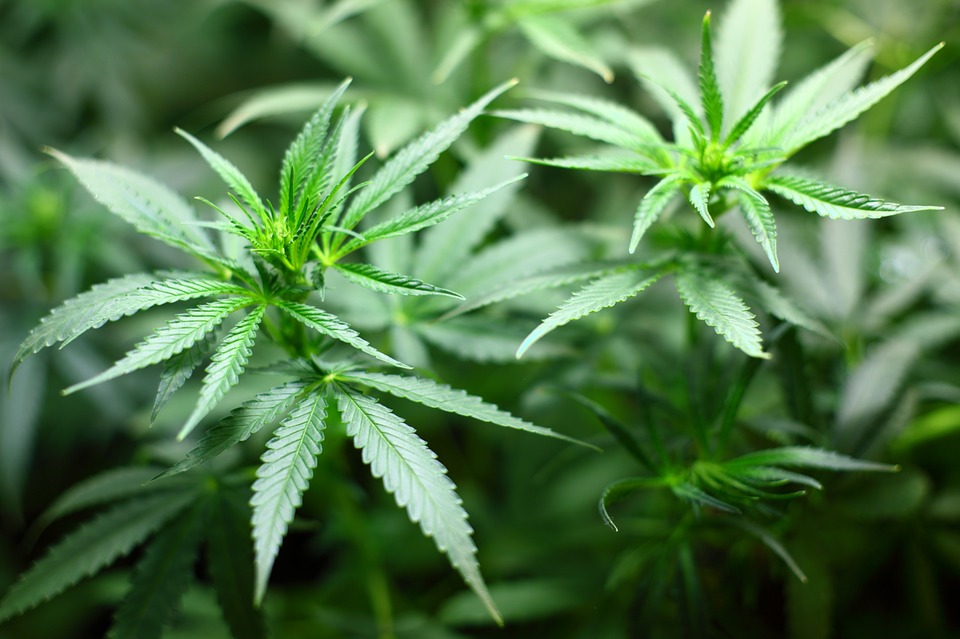
Cannabinoids and terpenes influence the primary impact and safety of cannabis products. Cannabinoids, such as THC and CBD, attach themselves to cannabinoid receptors in the body and brain. Terpenes, little organic compounds, provide cannabis with its aroma and flavor, and can modify or complement the effects of cannabinoids. Both groups work synergistically in what some refer to as the “entourage effect,” where the combination of multiple compounds produces more diverse effects than either could on their own. The table below shows a few main cannabinoids, their key effects, and some related terpenes:
Cannabinoid | Main Effects | Related Terpenes |
THC | Euphoria, pain relief, appetite, sleepiness (as 11-hydroxy-THC) | Myrcene, Limonene |
CBD | Calm, anti-anxiety, lowers seizures, non-intoxicating | Pinene, Linalool |
CBG | Possible focus, anti-inflammatory, non-intoxicating | Bisabolol, Humulene |
CBN | Sedation, sleep aid, mild intoxication | Myrcene, Caryophyllene |
Terpenes such as myrcene, limonene, pinene, and linalool can individually enhance or alter the experience of the primary cannabinoid. For instance, myrcene is believed to contribute sedative effects, whereas limonene may lighten the mood. Put another way, the same quantity of THC can feel very different depending on which terpenes are present. Bioavailability, or how much of each compound enters your system, can vary with the method you consume cannabis. Smoking, vaping, and edibles all alter both the speed and potency of effects. For instance, when ingested, the liver converts THC into 11-hydroxy-THC, a compound that can be more potent and sedating than THC by itself.
A frequent beginner’s dose is 5–20 mg cannabinoids/dose. That said, this is merely a guide – effects can still vary by body weight, metabolism and cannabis history. Long term use can cause your body to require more in order to feel the same effects as the endocannabinoid system can become desensitized. Exploring targeted cannabinoids and terpenes that align to your wellness goals, and sampling full-spectrum products—those that retain the plant’s complete range of compounds—can assist you in identifying a combination that meshes well with you. Always chat with a doctor if you’re on other medications, since cannabis can interact with certain medications.
Tools for Precision Dosing
The right cannabis dosing doesn’t have to be trial and error. Some of the new tools and approaches that enable users to select and monitor doses with greater precision, and thus do so more safely and more predictably. Common tools and their primary application are in the table below.
Tool | Functionality |
Digital scale | Measures cannabis flower or concentrate in milligrams or grams for exact dosing |
Dosing chart | Provides standard guidance on THC or CBD amounts per product and per dose |
Dosing log | Tracks amounts taken, timing, and personal effects to adjust future use |
Pre-measured edibles | Offers consistent THC/CBD per serving (e.g., 5 mg THC per gummy) for controlled intake |
Oral syringes | Measures liquid tinctures in milliliters for careful titration |
A digital scale comes in handy if you’re the type of person who wants to roll their own cannabis doses at home. When combined with a way to weigh flowers or concentrate, folks can be confident they’re consuming a fixed dose. That’s crucial when adhering to a prescription or when experimenting with new strains, as strength varies between products. Weighing out 100 mg of dried flower is a lot easier to accurately track than a ‘small pinch’.
Dosing charts are readily accessible from reputable sources and provide good starting information. Most charts indicate a new-user dose for THC as little as 1.25 to 2.5 milligrams, particularly in the case of ingestibles. Edibles, like this tin of 5mg THC gummies, make it simple to commit to the dose. Other charts recommend beginning with a tincture dose of 0.25 ml, and titrating up by 0.5 mg/kg as needed.
A dosing log, on the other hand, is helpful for keeping track of how much weed you are using, what kind, and what effects you felt. This record assists in perfecting future doses. Users can record specifics, for example, the wait between doses—say, 60 – 90 minutes after an edible, 15 minutes after every puff of flower — to prevent overdoing it. Doctors will frequently recommend ramping up your THC dosage by only 1mg every 24 hours so that the body can adapt and you can monitor effects.
Mitigating Dosing Risks
Mitigating dosing risks is the first step in understanding cannabis dosing. Certain individuals utilize cannabis for medicinal purposes, and research in palliative care for advanced cancer observed that lower doses provided effective relief with less side effects. The spectrum of impact is broad. Some will chill you out, but others will make you nervous, lightheaded, or disoriented. They tend to manifest when an individual overdoses, or the product is substantially more potent than anticipated. Potency varies greatly. A couple of decades ago, nearly all weed contained 2% THC, now many products contain 20–25%. Which is why it’s so easy to overdose by mistake.
Those looking to keep cannabis problems-free should familiarize themselves with these risks before partaking. Eating cannabis is different from smoking. Edibles can take hours to show effects—effects that last much longer. For edibles beginners, 2–5 milligrams of THC is a safe zone to start in. These products, like chocolate bars, break into 10 mg squares. This is convenient for dosing, but folks ought to reduce the dose even smaller when starting out. Standard dosing—e.g., understanding how many milligrams are in a piece—can help prevent blunders.
Mixing with alcohol or other drugs can exacerbate side effects. This goes for low doses as well. These combos can trigger stronger anxiety, nausea, or even accidents. To consume cannabis more safely, it’s best to steer clear of these mixes.
A safe place is important. If you feel bad after using weed, a tranquil and known environment assuages. It helps to have a pal or veteran cannabis user. They can provide guidance, monitor for red flags, and support if anything seems awry. Others require far less cannabis, so it makes sense to start small and wait. Lower-risk recommendations now exist, based on studies demonstrating that large doses and frequent use result in serious issues such as depression, anxiety, and psychosis.
Conclusion
If you want to find out how to dose cannabis correctly — begin with reality and easy reality checks. Understand your boundaries and requirements. There are alternatives like products with transparent labels or digital dose aides. Experiment with one method at a time — smoke, vape, or eat — so you understand how each one hits. Observe how your body responds, journal, and remain patient. Read guides and ask experts, not friends who guess. Newbies worry about messing up, but transparent dosing labels and intelligent digital dosing tools make things much safer. Because everyone’s body is different, slow steps prevail. Want to be on top of it? Stay up to date on real stories, share yours, and read new tools or studies. It becomes simpler to learn with the appropriate information and an inquisitive attitude.
Frequently Asked Questions
1. How can new users safely determine their cannabis dose?
Begin with a small amount, like 2.5 mg of THC or CBD. Wait at least 2 hours before you increase, to see what the effects are. It helps you steer clear of undesired effects.
2. Why does the method of cannabis consumption affect dosing?
Different delivery mechanisms (smoking, edibles, oils) are absorbed into the body differently. Effects may be more powerful or extend for a longer duration. Scale back your dose by method to prevent overconsumption.
3. What are cannabinoids and terpenes, and why do they matter in dosing?
Cannabinoids such as THC and CBD influence your experience. Terpenes affect effects and taste. Knowing both helps you select products that align with your needs and tolerance.
4. Are there tools to help with precise cannabis dosing?
Yes. Pre-measured products, dosing syringes, and digital scales assist you in measuring precise quantities. These tools reduce the danger of overdosing.
5. How can you reduce the risks of incorrect dosing?
Read your product labels and know your limit. Begin your doses at low to moderate levels, and keep your dosage intervals slow, and no mixing with alcohol or other substances. When in doubt, consult a healthcare provider.
6. What is a personal baseline in cannabis dosing?
Your personal baseline is the minimum dose required to feel it. Locating your baseline keeps you from overdoing it and makes dosing in the future easier.
7. Can you find your ideal dose without trial and error?
Yes. Try labeled products, begin at the lowest recommended dose, and monitor your reaction. This data-driven approach minimizes guesswork and maximizes safety.
Looking for a Medical Cannabis Consultation You Can Trust?
For more than 10 years, A Therapeutic Alternative has been helping people find natural relief and greater balance through cannabis. We believe wellness starts with trust, and that’s why our focus isn’t just on providing access to cannabis—it’s on offering professional consultations where knowledge, compassion, and healing come together.
Located in the heart of Midtown Sacramento’s medical district, our team is here to guide you whether it’s your first time considering medical cannabis or you’re seeking deeper insight into its benefits. Our consultations are designed to answer your questions, help you explore your options, and find solutions that fit your unique health needs.
We make your visit simple and stress-free, with an ADA-accessible facility, parking right behind us, and free street parking nearby. What sets us apart isn’t just our experience—it’s our commitment to care, integrity, and making sure every person feels supported on their health journey.
Ready to learn how medical cannabis can become a trusted part of your wellness plan? Visit us at A Therapeutic Alternative today and take the first step toward a healthier, more balanced you.