Older adults often benefit most from cannabis consultations because they occupy a distinct space in terms of health needs, medication regimens, and potential interactions. It provides clear tips about strains, dosage, and safe use. A number of older individuals turn to cannabis to assist with pain, sleep or stress, however individual health history, chronic illnesses, and age-related changes impact cannabis effects. With consultations, professionals can describe risks, identify potential medication clashes, and provide insights on popular preparations such as oils, edibles, or topicals. This understanding provides seniors a more secure route as they integrate cannabis into routine care. To demonstrate how these discussions promote wellness, the remainder of this blog will dissect practical advice and frequent concerns for seniors.
Table of Contents
ToggleKey Takeaways
- Because of age-related differences in metabolism, body composition and the endocannabinoid system, older adults are often the ones who most benefit from cannabis consultations.
- If older adults are managing chronic pain, inflammation, sleep disorders or other persistent conditions with cannabis, they may find that it helps reduce their reliance on more traditional medications but should always do so with holistic medical oversight.
- Dosing sensitivity is key in seniors, so starting low, titrating slowly, and closely tracking personal response is important to reduce side effects and improve efficacy.
- Safety continues to be front and center, especially when it comes to drug interactions, affecting coordination, and polypharmacy — making adequate consultation with healthcare providers imperative.
- Addressing both physical and mental wellness, cannabis may offer benefits for mood, anxiety, social engagement, and overall quality of life, but its use should be guided by evidence-based strategies and ongoing evaluation.
- The future of geriatric cannabis care lies in ongoing research, education for practitioners, and policies that embrace safety, knowledge, and destigmatization for seniors around the globe.
Why Seniors Need Cannabis Consultations
Cannabis consultations are particularly valuable for seniors. It’s for reasons that run deeper than curiosity or the buzz, but instead intersect with genuine transitions in health, body, and safety. With seniors facing specific challenges — from chronic pain to medication risks — expert guidance is essential for safe and effective use.
Unique Physiology
Aging alters the endocannabinoid system that regulates how the body responds to cannabis. This shift implies seniors won’t experience the same effects as younger adults. Metabolisms slow down with age so cannabis poops around for a longer time and can seem more potent or last longer.
Body fat rises with age and muscle mass falls. Because cannabis compounds are stored in fat, these changes impact both how long cannabis remains in the body and the potency of effects. Seniors frequently require lower doses, customized for their specific health needs and medications, to prevent adverse reactions.
Chronic Conditions
A lot of seniors suffer from long-term pain, arthritis or insomnia. Seniors are using cannabis to chill out (81%), sleep more soundly (68%) and alleviate pain (63%). Others think it provides actual pain reduction–around 69 percent in a single study.
As there are very limited alternatives for effective and safe long-term pain management, cannabis could decrease the reliance on powerful pain killers. Cannabis can accompany traditional treatments for enhanced effects. That said, every medical condition is unique, and not all seniors receive the same advantages.
Dosing Sensitivity
Seniors metabolize medications in a unique way, which means that a tiny bit can go a long way. Medical professionals advise beginning with the smallest dose and increasing gradually. Routine checks help identify adverse effects early and maintain safe dosing.
The majority of seniors are dealing with more than one health issue — so one-size-fits-all dosing does not work. Personalized plans offer more control and safety, particularly as cannabis can affect individuals in unique ways.
4. Safety First
Seeking a provider’s advice prior to starting cannabis is crucial, but 44% of regular users never consult one. Seniors face increased danger of hospital visits and drug interactions. Cannabis can similarly increase fall risk and impair driving, lingering in the body for days or weeks.
Consultations allow physicians to look out for medicine clashes and advise on safe use. Routine check-ins keep us safe over time. There’s still not a lot of research—just a handful of older adult trials—so caution is key.
Managing Multiple Medications
Seniors are especially prone to polypharmacy — taking too many medications at once. This complicates their medical care, and little things can make a big difference. When older adults take cannabis, there’s more to think about. Cannabis may alter the effects of other medications and potentiation or diminution of effects can occur. This can be dangerous, in part, because seniors may already face an increased risk for side effects such as falls, dementia or cardiac problems. For instance, combining cannabis with sedatives or blood thinners can increase the risk of drowsiness or bleeding.
Going over all your medications with a healthcare professional is an important step prior to cannabis initiation. A physician or pharmacist can look for potential drug interactions. They check the medicine list, OTC drugs and supplements. Certain seniors might already be using cannabis for pain or sleep — sometimes in lieu of opioids or anxiety pills. This is a benefit, but it requires planning. Each individual is unique, and what suits one may not suit others. A patient, for instance, might substitute cannabis for pain pills, but a second might require them both in small doses.
Providers need a strategy that considers all medications collectively. They have to consider how age affects pharmacokinetics. As we age, our bodies metabolize drugs more slowly. That is, side effects or drug build-up can occur even with low doses. Regular check-ups and reviews assist in identifying problems sooner. If a patient initiates cannabis, the provider may adjust the dose of another drug or discontinue it. If sleep gets better with cannabis, for example, the physician may reduce or eliminate a sleeping medication.
Handling multiple medications is tricky for seniors, particularly if they suffer from cognitive or mobility issues. They could miss doses or overdose. Easy systems, like pill boxes or reminders, can help. Assistance from doctors, family or caregivers is essential. We don’t yet know how safe and useful cannabis is for older adults that have multiple medications. Additional research is required to inform best practices.
Beyond Physical Ailments
Seniors encounter distinct neuropsychiatric challenges as they grow older. Cannabis consultations can provide more than physical relief. A lot of adults 50+ are turning to weed for mood or mental health, with over 50% citing this. This pivot captures a more general emphasis on care as holistic—treating health as body and mind both.
Mental Wellness
Cannabis has been highlighted as a potential support for anxiety and depression — two conditions that impact a great deal of seniors across the globe. As research shows, depression is prevalent in older adults—one found that 3.8% of patients reported being co-morbid with depression. Anxieties and stress are there, too. Cannabinoids—the compounds in cannabis—could do this by acting on brain receptors involved with mood equilibrium, helping to foster emotional calm and mental clarity. While research continues, new studies are showing that elderly folks are experiencing genuine mental health perks from cannabis use—most notably in handling mood shifts and perennial gloom. Open dialogue can shatter the stigma, allowing seniors to more easily talk about mental health and experiment with cannabis as one component of a larger wellness regime.
Sleep Quality
- Sleep problems are endemic in the elderly and while only about half of those over 65 say it’s a problem.
- Cannabinoids like CBD and CBN are being researched for their potential to enhance sleep.
- Personalized sleep plans with cannabis options can account for specific needs.
- Seniors should talk about their sleep struggles, so they can discover personalized cannabis solutions with the experts.
A targeted strategy is key since everyone’s sleep history and medical background is unique. These plans consider drug interactions, underlying health conditions and personal tolerance. This allows us to maximize cannabis’ sleep benefits while minimizing risks.
Social Engagement
Social isolation can plague older adults with health problems. Cannabis, again, for lots of people—81% of those in the 50+ bracket say they’re after it for relaxation. The relaxing effect can make socializing less stressful and more fun — it helps break down those barriers. Group events and community gatherings centered around cannabis education enable older adults to bond, exchange experiences, and cultivate supportive networks. This expanding trend alleviates isolation, which is particularly crucial as more elderly users experiment with cannabis for the first time.
Creating Personalized Cannabis Plans
Seniors have special health needs, so it’s important to craft cannabis plans that are tailored to their conditions, medications and goals. Personalized planning is still an iterative process with collaboration, patient education and flexibility to adapt as conditions change.
- Joint planning helps avoid drug interactions, addresses specific health goals, and supports open discussion about risks and benefits.
- By working with cannabis-trained practitioners you can benefit from access to the latest research and educated product selections.
- Ongoing review enables plans to stay in sync with changing health, new evidence, or product availability.
Product Selection
Product Type | Benefits for Seniors | Suitability |
Oils | Easy dosing, discreet, longer effect | High (pain, sleep) |
Edibles | No inhalation, precise dose | High (anxiety, sleep) |
Topicals | Local relief, no systemic effects | Moderate (joint pain) |
Capsules | Familiar form, slow release | Moderate (chronic issues) |
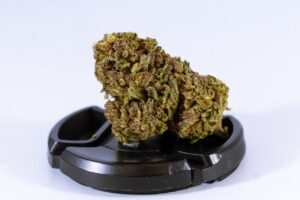
Flower | Fast onset, flexible dose | Low (lung concerns) |
Using top-quality, lab-roasted products is king for safety, as contaminants can harm. Seniors should experiment with oils, edibles or topical applications steering clear of inhaled methods if they have lung or heart conditions. The type of product has to align with the consumer’s objective, such as oils for pain, edibles for sleep or topicals for arthritis. Choosing your product enhances comfort and results.
Consumption Methods
Seniors have many options when it comes to consuming cannabis, each with its own advantages and disadvantages. Smoking and vaping hit quickly, but they damage lungs, so non-smoking alternatives like oils or edibles are usually safer. Edibles and tinctures – edibles also last longer but take more time to kick in. Tinctures can be taken sublingually for a faster onset. Understanding the onset and duration of different consumption methods allows users to integrate cannabis into their schedules. Experimenting can assist in identifying the optimal fit for lifestyle and ease.
Cannabinoid Ratios
Cannabinoid | Benefits | Risks/Notes |
THC | Pain relief, sleep | Impairment, anxiety, falls |
CBD | Anxiety, inflammation, seizure control | Few side effects, mild sedation |
THC and CBD provide some very different experiences. Lower THC with higher CBD is generally safer for older adults, who can be sensitive to THC’s psychoactive effects. Reading the labels and understanding the ratios helps you avoid an unwanted effect. Experimenting with ratios and tracking results with a provider’s assistance can improve relief and minimize side effects.

A Safe Space for Questions
Seniors come to cannabis consultations with a special blend of curiosity, apprehension, and experience. A safe space for questions, letting them speak up without the fear of judgement or stigma. It’s in this environment where open communication thrives and where even the shyest of public questioners receive the courage they need. This allows seniors to address uncertainties, discover new knowledge and develop confidence — critical when learning about a topic as nuanced as cannabis.
Deconstructing Stigma
The historical shame of pot still informs how a lot of aging adults think about it. For generations, scare-tactic ads and harsh prohibitionist laws have depicted cannabis as a forbidden or perilous substance, instilling ingrained apprehension in the elderly. So many of us were raised on one truth, and now that we’re testing out weed, it’s like we’re being rebellious.
Teaching seniors about evolving legislation and evolving public opinion is critical. As countries update regulations and new research emerges, more people view cannabis as a valid health option. When seniors discover these shifts, they can begin to challenge outdated prejudices and embrace alternative perspectives.
By fostering open dialogue, in group settings and one-on-one, we can help normalize cannabis as a legitimate option for wellness or symptom management. These talks can be concrete, centered on real-world anecdotes or hard truths. Neighbour groups, peer support are important. When the larger community is accepting, it helps dismantle stigma and makes it easier for seniors to inquire and reach out.
Clarifying Misinformation
There’s misinformation abound, with myths like ‘weed is forever addictive’ or ‘it’s got no medicinal value’. It’s important to confront these head on. Trusted sources, such as trusted healthcare providers or reputable organizations, provide science-backed guidance on safety, side effects, and how cannabis functions for conditions prevalent in older adults.
A safe space allows seniors to fact-check what they’ve been hearing from friends, family, or the media. They should not hesitate to pose simple or intricate questions, none too minor. This transparency assists them in sifting through the hype for reality, making more assured decisions.
Building Confidence
To empower seniors is to begin with honoring their health goals and preferences. Everyone’s needs and reaction to cannabis can vary. Health professionals can help them evaluate risks, benefits and appropriate options, while peer sharing fosters trust and connection.
As seniors, we can often learn best from each other’s stories. Group conversations allow them to listen to how others make similar decisions. Under regular supervision from wellness professionals, seniors acquire the courage to act independently and communicate freely.
The Future of Geriatric Cannabis Care
The population is aging and more seniors are trying medical cannabis than ever before, with this number increasing more quickly than any other demographic. As studies continue to advance, the spotlight is turning on the potential for cannabis to assist seniors in navigating age-related health concerns. Unlike younger users, most seniors use cannabis to address chronic pain — the primary reason for medical use in this demographic. A lot opt for high-CBD oils they can take orally — easier, less likely to get them stoned. Others even note that approximately half of the geriatric medical cannabis patients find their moods improve. There are indications that even brief use can lend some assistance to cognition and memory, particularly as it induces slumber or reduces pain.
Even so, it’s not a black and white story. Although acute use appears safe, research suggests that chronic recreational use slows the brain. They might have increased difficulty with making quick decisions or short-term memory recall. Which is why new science is advocating for cannabis choices crafted specifically for seniors, with safer and more beneficial dosing and blends for aging physiology. For instance, products with more CBD and less THC can aid pain while reducing the likelihood of adverse effects.
Physicians and nurses have to stay up to date with new realities of cannabis for older people. Most health workers weren’t taught cannabis in school and need training to identify side effects, understand the proper dose, and assist patients with safe use. Emergency visits associated with cannabis in those 65 and over have increased more than 1800% since 2005, indicating more education is required to avoid overdoses or confusion with other medications.
Access is a huge component of the future. Policies must shift for seniors to access safe, tested cannabis at an affordable cost. Currently, the price is steep and public health plans don’t cover medical cannabis, which can prevent some from receiving essential treatment. Laws and rules need to keep pace with real-world cannabis use, prioritizing safety and access for older adults.
Conclusion
Old age brings new health challenges, more medications, and lots of adjustment. Cannabis consultations provide a highway to honest answers and informed decisions. These discussions assist individuals in managing medications, alleviating pain, improving sleep, and identifying the appropriate dosage. Every session delivers practical guidance—no speculation. Doctors and nurses listen carefully, talk in layman’s terms, and take every question seriously. In numerous clinics, older adults are exchanging stories and educating each other. Each incremental step in these discussions could translate into healthier days to come. To find out more, or get a session going, contact a nearby clinic, or inquire with a trusted provider. Getting legit guidance leads to truthful transformation and calm.
Frequently Asked Questions
1. Why do older adults often need cannabis consultations?
Older adults might be on multiple medications and have specific requirements. Cannabis consultations ensure safe use, minimize risk of side effects, and provide expert guidance specific to their needs.
2. How can cannabis consultations help manage multiple medications?
A consultation helps to review current medications and supplements. Qualified professionals can determine any potential interactions with other medications being taken, ensuring safety and preventing health risks.
3. Are cannabis consultations useful for non-physical health issues?
Yes. Consultations can address non-physical concerns like sleep issues, anxiety and mood. Experts suggest cannabis varieties that can bolster emotional and cognitive health as well as physical health.
4. What are the benefits of a personalized cannabis plan for seniors?
A customized plan takes into account your medical history, lifestyle, and objectives. This tailored strategy optimizes dosage, product, and delivery method, producing better outcomes with less adverse effects.
5. Why is it important for seniors to have a safe space to ask questions about cannabis?
Seniors could have questions or be uninformed about cannabis. Consultations offer a judgement-free space to ask questions and receive trustworthy answers from experienced practitioners.
6. How do cannabis consultations support the future of geriatric care?
Consultations encourage responsible, science-driven cannabis use in older adults. They foster continued study, learning, and individualized attention, assisting medical systems in adjusting to evolving demands from seniors.
7. Can cannabis consultations improve quality of life for seniors?
Yes. Under professional supervision, elderly individuals can find solace in chronic ailments, obtain better rest, and elevate their spirits, together fostering a superior quality of life.
Looking for a Medical Cannabis Consultation You Can Trust?
For more than 10 years, A Therapeutic Alternative has been helping people find natural relief and greater balance through cannabis. We believe wellness starts with trust, and that’s why our focus isn’t just on providing access to cannabis—it’s on offering professional consultations where knowledge, compassion, and healing come together.
Located in the heart of Midtown Sacramento’s medical district, our team is here to guide you whether it’s your first time considering medical cannabis or you’re seeking deeper insight into its benefits. Our consultations are designed to answer your questions, help you explore your options, and find solutions that fit your unique health needs.
We make your visit simple and stress-free, with an ADA-accessible facility, parking right behind us, and free street parking nearby. What sets us apart isn’t just our experience—it’s our commitment to care, integrity, and making sure every person feels supported on their health journey.
Ready to learn how medical cannabis can become a trusted part of your wellness plan? Visit us at A Therapeutic Alternative today and take the first step toward a healthier, more balanced you.