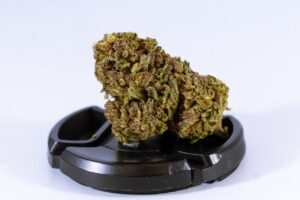

Medical cannabis tends to respond best to symptoms associated with chronic pain, nausea, muscle spasms, poor appetite, and certain sleep disturbances. Individuals suffering from ailments like MS, cancer, epilepsy and even certain psychiatric disorders may benefit from medical cannabis. Research has the most evidence for relieving nerve pain, seizures, and the side effects of chemotherapy. For those with chronic pain that doesn’t improve, cannabis support might provide a reprieve. Others try it for anxiety or PTSD, but outcomes vary. So to understand which symptoms or diagnoses respond the best, health care teams frequently monitor the patient’s trajectory and modify support as necessary. The primary categories below indicate more specifics.
Table of Contents
ToggleKey Takeaways
- Scientific research confirms that medical cannabis can effectively address chronic pain, nausea and vomiting (especially in cancer care), muscle spasticity in neurological disorders, and certain seizure conditions, providing legitimate alternatives to conventional therapies.
- Medical cannabis for neuropathic pain: clinical evidence Recent studies have documented the benefits of cannabinoids in relieving acute and chronic symptoms — frequently with less adverse effects than other pharmaceuticals — however, dosage and strain-selection remain key.
- Because each human’s response to medical cannabis will be different based on genetic and biological factors, personalized treatment plans, continuous monitoring, and consultation with a knowledgeable healthcare provider are important.
- Newer research highlights the effectiveness of medical cannabis in treating anxiety, appetite loss, inflammation, sleep disruptions, and PTSD, but more studies and regulatory advancements are necessary to substantiate these applications.
- This includes selecting the right consumption method (inhalation, oral, sublingual) for your symptoms, as the onset and duration of symptom relief can vary markedly from one method to another.
- Try to be as specific as possible in tracking your symptoms, side effects, and results with cannabis, and keep your healthcare providers in the loop to help safely coordinate with other treatments and avoid adverse reactions.
Understanding Medical Cannabis Efficacy
Medical cannabis has been garnering attention for its ability to assist with various symptoms and diagnoses. The primary chemical constituents, called cannabinoids, function in the body by binding to specific cells in the brain and other organs. These cells make up what is known as the endocannabinoid system. This helps keep such things as pain, mood, sleep and hunger in equilibrium. When a person consumes medical cannabis, the cannabinoids can alter this system’s function, potentially bringing relief to certain ailments. For instance, some experience reduced pain, improved sleep, or relaxation. That’s why medical cannabis is being considered for a number of reasons, not only for pain.
Much of the evidence for the effectiveness of medical cannabis is from systematic reviews. These reviews examine multiple studies to determine if cannabis is effective in reducing specific symptoms. For mental health, a survey found anxiety and insomnia to be the most prevalent reasons for medical cannabis use in a population, surpassing chronic pain. As a matter of fact, as many as 49% for anxiety, 47% for sleep and 42% for pain. When queried, 82.6% claimed it aided pain, 70.6% said it helped them snooze, and 55.6% said it helped them unwind.
Certain health issues appear to respond more favorably to medical cannabis than others. For epilepsy, one study observed that seizures decreased from a median of 30 per month to 15.8 following 12 weeks of treatment. For instance, with such diseases as multiple sclerosis, oral cannabis extracts and THC pills may alleviate a patient’s muscle stiffness after a year’s time, yet are not effective in the immediate or short term. For cancer and HIV patients, it can assist with symptoms such as poor appetite or weight loss. In a single study, 77% of individuals using dronabinol, a form of THC, continued use at the study’s conclusion, versus 61% with a placebo. A few found cannabis reduced anxiety (79% believed it to be helpful) and depression (67%), but the results were not consistent across all participants. Approximately 11% of individuals in a study put on 10% or more weight with medical cannabis.
Symptoms With Strongest Evidence
Medical cannabis has been researched for multiple conditions, but the most compelling evidence exists for a select few symptoms. Worldwide studies and patient feedback point to obvious advantages in these domains, however outcomes are contingent on the cannabinoid type, dosage and the specific patient.
Chronic Pain
Medical marijuana stands out as an option for chronic pain. It works for people with nerve pain, arthritis, or pain after injury. Many patients turn to cannabis when prescription opioids or NSAIDs cause unwanted side effects or fail to help. Cannabinoids such as THC and CBD act on pain pathways in the body and brain, lowering both acute and chronic pain signals. Nabiximols, oral extracts, and synthetic cannabinoids have shown pain relief, especially in multiple sclerosis. Switching to cannabis may let some patients use less opioids, which helps lower risk of addiction and overdose. In real-world settings, people often report better pain control and being able to get back to everyday tasks.
Nausea and Vomiting
Cannabis controls vomiting in cancer patients on chemotherapy. THC and dronabinol are the primary cannabinoids for this. Clinical trials show it can halt emesis and increase appetite, even when other medications can not. Among HIV/AIDS patients, research identified dronabinol increased appetite and weight gain. In one trial, 75% of patients on dronabinol had more appetite vs. 49% with placebo. This appetite and nausea effect assists many patients in maintaining nutrition and quality of life.
Muscle Spasticity
Muscle spasms in multiple sclerosis respond well to cannabinoids. Nabiximols and oral extracts may ease pain and stiffness. Cannabis works on CB1 and CB2 receptors in the brain and spine, calming nerve signals that cause spasms. Short-term effects on spasticity are mild, but longer use—over one year—brings more relief. Some studies show patients walk better and have less discomfort. Adding cannabis to other medicines can give extra help for those not getting enough from standard drugs.
Seizure Disorders
For seizure disorders — particularly rare types of epilepsy — CBD-heavy cannabis has transformed treatment. Cannabidiol has reduced seizures by 50% in studies. Epidiolex, a CBD-based drug, is FDA-approved for Lennox-Gastaut and Dravet syndromes. Studies the impact of cannabis on seizures over years, but existing evidence is robust for short-term safety and efficacy. Families and patients alike tell of reduced seizures and improved quality of life.
Sleep Disruption
Cannabis may aid people in falling asleep and remaining asleep, particularly if they have pain or MS. THC and CBD both have a place—THC to fall asleep, CBD to soothe the mind. Picking the right strain and dose is key — too much THC can be groggy! Research discovered higher sleep scores in individuals with chronic pain and MS. A lot of my patients say medical cannabis helps them sleep when nothing else will.
Symptoms With Emerging Evidence
Medical cannabis is attracting scientific attention as research expands across neuropsychiatric, pain, and inflammatory conditions. A number of symptoms and diagnoses have emerged as areas of focus for cannabinoid interventions. Medical marijuana laws are changing in many places, opening doors to research and availability. Patient accounts, while varied, have offered firsthand observations that motivate additional investigation. Below are some emerging areas where medical cannabis shows promise for symptom relief:
- Chronic pain management and reduction of opioid use
- Anxiety and mood disorders
- Appetite loss and weight management in chronic disease
- Sleep disturbances, including insomnia
- Neuropsychiatric symptoms in neurodegenerative disorders
- Inflammatory conditions such as Crohn’s disease
Anxiety
Medical cannabis, particularly specific cannabinoids such as cannabidiol (CBD), are being researched for their potential to reduce anxiety symptoms. Unlike THC, the psychoactive component of cannabis, CBD is not intoxicating, and therefore has become a popular candidate for anxiolytic treatment. A few pilot studies indicate CBD might ease anxiety, one showing a small mean difference versus common antipsychotics. New evidence points to cannabinoids’ benefits in anxiety disorders, which are among the most common on the planet. Patients frequently describe better mood and fewer anxious thoughts, but personalized regimens are necessary given the different reactions and dangers.
Appetite Loss
If you have a chronic illness, particularly cancer or HIV/AIDS, medical cannabis can restore your appetite. THC is the primary component that induces appetite and benefits the wasting patient.
- While studies indicate medical cannabis may help people eat more and maintain weight, the outcomes may vary. There are patients who experience actual increases in appetite and weight when they use cannabis, but this is dose-dependent and disease-dependent. It’s most compelling for individuals who have lost weight from cancer or chronic illness.
PTSD
- Future work seeks to determine the true effect of cannabis for addressing PTSD, including variation in response based on dose, cannabinoid profile and patient background.
- Cannabinoids can help stabilize mood and stress by acting on critical brain pathways, potentially reducing nightmares, flashbacks, and hyperarousal symptoms.
- Numerous individuals suffering from PTSD have reported cannabis has reduced their symptoms. Rigorous research is still required.
- Research is nascent, and more evidence will help demonstrate if cannabis truly aids PTSD.
Inflammation
Cannabinoids can help ease inflammation from diseases such as Crohn’s, arthritis, and certain gut issues. They do this by altering immune function. A few symptoms with emerging evidence. Some research indicates less inflammation and discomfort following cannabis use. Other research reports cannabinoids may assist those with bowel issues by reducing inflammation in the gut. Patients have reported to their physicians that cannabis helps tame their pain and inflammation when other medications fail.
The Personal Response Factor
The personal response factor is all about how individuals respond to cannabis. It’s not a cookie cutter approach–everyone’s biology, genes and health history come into play. Some find great relief from medical cannabis, some don’t notice much difference or may even experience side effects. Age, weight, medical conditions and even your day can all tip the scales on how cannabis affects you. That implies there’s no easy response to what works best, and why continued tracking and consciousness are important.
Your Biology
Everyone has an endocannabinoid system, however, it doesn’t operate identically in everyone. As this system controls pain, mood, and sleep, cannabis’s effectiveness can vary from person to person. Genes may modulate cannabinoid sensitivity. Certain folks have genes that make them metabolize THC at a faster or slower rate, increasing or decreasing the potential intensity or duration of effects. Health background layers on top of that. Chronic pain, anxiety, or epilepsy sufferers might experience different effects with cannabis than the average person. Knowing your own responses, how you feel post-smoking, and tracking what shifts with time assists in honing what’s optimal.
Administration Method
Cannabis consumption habits matter, too. Smoking or vaping brings immediate relief, but the effects fade faster. Edibles are slower to kick in, but last longer. Tinctures are simpler to dose and titrate. Each has its advantages and disadvantages, so it’s wise to sample the various styles to figure out what suits you and best reacts to your life.
Dosage Nuances
Begin at a low dosage, then gently supplement if necessary. Everyone’s tolerance is unique, and what’s right for one individual may be over or underdoing it for someone else. Observe your physical response and journal it. A journal assists in monitoring how much you used, what type, and how it impacted your feelings, aiding in refining your strategy.

Comparing Cannabis to Conventional Treatments
Medical cannabis is prescribed in dozens of states for a variety of symptoms, often when traditional pharmaceuticals either perform poorly or produce difficult side effects. The biggest use is pain, where research shows plant-based cannabinoids increase the likelihood of pain reduction by roughly 40% over placebo. This is crucial for individuals with chronic pain from neuropathy, cancer, or other chronic illnesses. By comparison, painkillers such as opioids present the risk of addiction and other dangers. Many use medical cannabis for muscle spasms, loss of appetite, or insomnia, with research noting a 40% increase in calories consumed among those who needed it — such as cancer or HIV/AIDS patients.
Cannabis tends to cause less common side effects than typical medications. Opioids and even certain muscle spasm medication, for example, can induce drowsiness, gastrointestinal problems or even life-threatening risks. Though medical cannabis is not risk-free, its side effects are often milder and less dangerous for the majority of patients. Several trials observed no significant difference in cognition between cannabis and conventional drugs, and in some instances, such as with nabilone, an improvement in mood/behavior compared to standard treatments. One observed no difference in mood between CBD and a top prescription antipsychotic after a month’s use, suggesting cannabis could be just as safe for mental health in certain instances.
In chronic care, conventional drugs might not address all symptoms, or their side effects might cause patients to abandon the drugs. Medical cannabis can occasionally fill in where these drugs leave off, particularly for individuals with chronic pain or wasting disease. It has its own dangers. Cannabis use is associated with an increased risk of psychotic disorders, and the potential for drug-drug interactions is not insignificant for those on blood thinners, antidepressants, or heart drugs. While a few states have passed laws that protect medical cannabis users from being denied organ transplants, indicating increased acceptance of cannabis, it still requires further scientific exploration to understand its effects in the organ transplant world globally.
Advantages of Medical Cannabis vs. Prescription Drugs |
Lower risk of addiction than opioids |
Can boost appetite by up to 40% in some cases |
Shows fewer severe side effects for many users |
Helps when standard drugs are not enough |
May improve mood or neuropsychiatric symptoms |
Navigating Potential Side Effects
Medical cannabis can address pain, sleep or movement, but side effects can arise and shift with dose, strain or a patient’s condition. Users experience reduced pain — one analysis found cannabinoids might provide approximately 40% more likelihood of pain relief than controls. Others experience shifts in their mood, appetite, or cognition. In a weight gain study, 11% of megestrol patients and 3% of dronabinol patients gained >10% over their starting weight. ALS patients on dronabinol had improved symptoms but increased appetite and weight gain. Sleepy patients occasionally crash harder, but some can become anxious or paranoid — so it’s important to monitor for these changes.
Checklist for minimizing side effects:
- Go low, go slow. This acclimates the body to cannabinoids, and can reduce harsh side effects. Take the pilot study for ALS using delta 9-THC for example — it showed some effect, but these slow starts can help to identify potential side effects early.
- Choose the appropriate strain. THC-dominant strains can pack a stronger psychoactive punch, including mood swings or feeling ‘high’, demonstrated in studies involving movement disorders. CBD-dominant strains might reduce these risks.
- Monitor for alterations in appetite and weight. Some might put on weight quickly, so monitor diet and weight.
- Monitor mood and sleep carefully. If anxiety or paranoia hit, notify your doctor immediately, or experiment with a new strain or dosage.
- Watch for drug interactions. In studies, patients treated with cannabinoids slashed opioid use by 64%, showing promise but still posing risk of drug-drug effects.
Patient education is crucial. They have to be informed about potential side effects, such as alterations in appetite, mood or cognition. They need to know how cannabis might interact with other substances. For instance, replacing opioids with cannabis is a noble aim, but it has to be navigated. A few, such as in traumatic brain injury, demonstrate higher survivability for THC consumers, but the majority are small or preliminary. Which means users need to obtain transparent information and communicate with their care team.
Candid conversations with doctors count. If someone experiences side effects or notices new symptoms, they should notify their doctor immediately. This aids in early detection of problems and allows the care team to adjust the treatment strategy as necessary.
Conclusion
Most helpful for pain, sleep, muscle spasm as supported by medical cannabis. Some individuals with chronic pain, neuropathy or muscle spasms from MS experience pronounced improvements. Others with sleep problems discover genuine respite. Preliminary evidence points towards use for anxiety, PTSD, and GI troubles, but additional quality research is necessary. Not everyone experiences the same effect, therefore individuals need to consult with their physician and monitor their symptoms. Side effects can rear up, keep an eye out. Truthful conversations and collective planning with a care team are what count. Stay on top of new research and share your own experience. If you have a question or want to learn more, contact us or read more on the blog.
Frequently Asked Questions
1. What symptoms have the strongest evidence for medical cannabis support?
Medical cannabis responds best to chronic pain, chemotherapy-induced nausea and multiple sclerosis-related muscle spasms. These applications are most backed by clinical research.
2. Can medical cannabis help with anxiety or depression?
There are certain conditions — namely, anxiety and depression — where some individuals say it’s been helpful. Research still is limited, and results may differ. As always, speak to a healthcare professional before use.
3. How does personal biology affect response to medical cannabis?
Every one of our bodies responds to cannabis in its own unique way. Genetics and health, as well as tolerance, contribute to how effective cannabis can be.
4. Is medical cannabis better than conventional treatments?
Medical cannabis can assist when other treatments are ineffective or produce side effects. As an adjunct, not a replacement.
5. What are common side effects of medical cannabis?
Frequent side effects are dry mouth, dizziness, appetite changes and fatigue. Others might get mood changes or anxiety.
6. Are there emerging uses for medical cannabis?
Preliminary studies show promise for sleep disorders, epilepsy and inflammation. Additional research is required to validate these applications.
7. Is medical cannabis safe for everyone?
Medical cannabis isn’t for everyone. It could interfere with other medications, or make some conditions worse. ALWAYS consult with a licensed medical professional.
Looking for a Medical Cannabis Consultation You Can Trust?
For more than 10 years, A Therapeutic Alternative has been helping people find natural relief and greater balance through cannabis. We believe wellness starts with trust, and that’s why our focus isn’t just on providing access to cannabis—it’s on offering professional consultations where knowledge, compassion, and healing come together.
Located in the heart of Midtown Sacramento’s medical district, our team is here to guide you whether it’s your first time considering medical cannabis or you’re seeking deeper insight into its benefits. Our consultations are designed to answer your questions, help you explore your options, and find solutions that fit your unique health needs.
We make your visit simple and stress-free, with an ADA-accessible facility, parking right behind us, and free street parking nearby. What sets us apart isn’t just our experience—it’s our commitment to care, integrity, and making sure every person feels supported on their health journey.
Ready to learn how medical cannabis can become a trusted part of your wellness plan? Visit us at A Therapeutic Alternative today and take the first step toward a healthier, more balanced you.