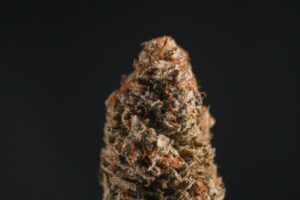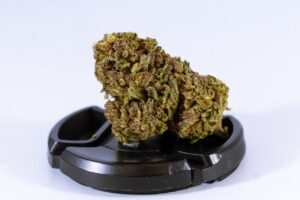

So, how do you find the right cannabis dose for anxiety or pain? Begin with a low dose and increase it incrementally while monitoring your sensations. Every individual responds to cannabis differently, which means that the ideal dose will typically be based on your physiology, experience, and product type. Some opt for oils or edibles for a consistent impact, while others select vaporizers for rapid assistance. The strain matters too. Certain individuals are relaxed by CBD-heavy strains, whereas others require a blend with THC. Ask a health worker who knows about cannabis if you don’t know. In the next section, discover how to identify your ideal dose and remain safe when sampling new items.
Table of Contents
ToggleKey Takeaways
- Everyone reacts to cannabis differently because of unique endocannabinoid systems, body type, and objectives, so personalized dosing is critical to safe, efficacious relief.
- Because of the biphasic effect, if you’re using cannabis for anxiety or pain relief, it’s best to keep the dose as low as possible, as higher doses m, ay worsen symptoms.
- Knowing what you’re trying to accomplish and matching your cannabis to clear, identifiable goals, which you check in on, over and over, with your physician, makes for an effective and safe dosing regimen.
- Things like product potency, cannabis experience, consumption method, and the symptoms you’re targeting should influence your dose selection and adjustment.
- Meticulous tracking of your cannabis, its product type, dose, and effects enables you to continue fine-tuning your regimen and uncover patterns that enhance therapeutic benefits.
- Be safe — speak with your doctor about potential drug interactions, know the symptoms of an overdose, and your tolerance to not develop a habit or long-term health consequences.
Why Your Dose Is Unique
No two people have the same response to cannabis. Age, weight, sex, and health all change how your body uses THC and CBD. What helps one person may not help another, even if the amount seems right. How you eat or inhale cannabis—edible, oil, or vape—changes how fast and strong it feels. Your endocannabinoid system, how much cannabis you’ve used before, and what you want out of it all matter. Some people feel better with 5 mg, while some need 20 mg. The effects of cannabinoids and terpenes can shift things more. It may take a few weeks before you feel the full result, so start slow and watch how you react.
The Biphasic Effect
Low doses can alleviate pain or anxiety, while high doses could exacerbate symptoms or introduce new issues. That’s what’s known as the biphasic effect. What works at one dosage might stop working if you take more.
If you’re new, begin low and see how you feel. Attempt 2.5–5 mg initially, and then be patient for the results. Record whenever you sample a new dose or product. Describe what had occurred and what your emotions were.
You’ll notice a trend in your body’s response. Others less, others more. Tweak your dose little by little, and allow your body a few days, or even two weeks, to acclimate to an alteration.
Your Endocannabinoid System
Your ECS balances stress, pain, and mood. It’s composed of receptors, chemicals, and enzymes throughout your body and brain.
Gene,s too—some have more sensitive cannabinoid receptors. That translates to you may require more or less THC or CBD than your buddy. Diet and exercise modify your ECS as well. A healthy lifestyle can upregulate your natural cannabinoids, making you less or more sensitive to cannabis.
Customize your dose to how your ECS responds. Observe if little doses do the trick or if you require a bit extra. If you experience side effects, reduce your pace and reduce your dose.
Your Personal Goals
- Ease daily pain
- Cut down on anxiety
- Sleep better
- Improve mood
- Boost focus
Pair your dose to what you desire most. If your objective changes, adjust your scheme. Talk with your doctor or specialist about your goals.
Key Factors Influencing Dosage
There is no magic cannabis dose for anxiety or pain. A few factors play a major role in determining how your body processes cannabis and how potent it is for your requirements. Knowing these factors will enable you to make smart, safe, and efficient dosage decisions.
Your Body
Body weight and composition are factors in cannabinoid absorption and metabolism. Heavier people sometimes require more to get high, but not necessarily. Pre-existing health conditions, like liver or kidney issues, may alter your metabolism of cannabis, so it’s important to consult a medical professional before modifying your dosage.
It’s a good idea to monitor and log your physiological and psychological responses to various doses. Some individuals feel the impacts at 1 mg THC edibles, while others require more. Physical transformations, like weight gain or loss, can alter your perfect dose, so continuing self-examination is crucial.
Your Experience
Your cannabis history is important. Newbies are typically tripped on a small amount, whereas experienced users will have to dose up to get there. Tolerance develops, so if you’ve been using cannabis daily over the last month, your requirements may significantly differ from those of a novice. Looking back on what strains and products have performed in the past, and marking side effects or benefits, can direct future selections.
Your Condition
List of Symptoms:. Chronic pain (eg, Joint, muscle, nerve) underlying anxiety or panic attacks. Difficulty sleeping from pain or anxiety. Stiffness or spasms from chronic illness
Investigate how marijuana affects your specific problem. For pain, a CBD-first approach is occasionally safer, but the data for THC in chronic pain is more robust. The method of use changes onset and duration: smoking gives fast relief, edibles last longer but act more slowly. Titrate dosage to symptom severity, and as always, consult your healthcare provider.
Product Potency
The potency of your weed is a very important factor. THC-heavy products require lower doses, while CBD-rich products are generally used in higher dosage amounts with less potential harm. Monitoring your THC or CBD dosage, nature of consumption, and timing allows you to fine-tune your dose. Watch out if combining with other drugs, as this may change the impact.
How To Find Your Cannabis Dose
Learning to find your cannabis dose for anxiety or pain is a delicate procedure that demands patience and listening closely to your body’s cues. Dosages are very personal. A measured approach is necessary to be safe and effective.
- Set your intention for cannabis use.
- Choose a type that suits your needs and preferred method.
- Start with a very low dose — say, 1–2.5 mg THC or 5–10 mg CBD.
- Wait for the effects and only increase if needed.
- Track your doses, effects, and symptoms for ongoing adjustment.
Define Your Purpose
Understanding your primary goal, be it for anxiety, pain, or other symptoms, establishes the direction of your cannabis experience.
Begin by identifying specifically what you want to alter or experience. Somebody dealing with anxiety might seek tranquility, and somebody with pain might seek less pain. Jot down your aim, e.g., ‘reduce back pain by 50%’ or ‘get to sleep faster at night’. This directs you to select the appropriate strain and format, such as high-CBD oils for calm or balanced THC/CBD for pain. Return to your goal every couple of weeks to check if your dose still aligns with it.
Choose Your Product
Try oil, edibles, or flowers. Each type hits at different speeds and has varying durations. For instance, smoking or vaping tends to provide relief in minutes, but the effects dissipate within a few hours. Edibles take 30 minutes to 2 hours to kick in, but can persist for 6–8 hours. Pay attention to THC and CBD content—some opt for CBD because it’s less psychoactive, while others require THC for pain relief. Test out a couple of brands, as the quality and consistency will differ. Your best method might be microdosed edibles or a familiar oil with clear CBD: THC ratios.
Start Very Low
Start low, something like 1 mg THC or a single puff if you’re inhaling. Microdosing—1–5 mg THC—can provide discreet relief without intense effects. For edibles, exercise a minimum two-hour wait — their effect can be both delayed and prolonged. Write down how you feel after each attempt. This keeps side effects low as you gauge what works.
Adjust Slowly
Increment your dose in small steps, like 1–2.5 mg THC or 5–10 mg CBD every 2–3 days.
Give yourself a day or two in between adjustments to allow your body to acclimate. Be on the lookout for negative symptoms. This gradual approach ensures you discover the most effective dose without going too far.
Stay patient.
Track Everything
Take notes on what you try, the dosage, and how you feel.
Update your log with every change.
Utilize this information to optimize your regimen and discuss it with your practitioner.
Choosing Your Consumption Method
When it comes to finding the right cannabis dose for anxiety or pain, that means looking at how you consume it. There’s no one-size-fits-all method. Each method alters the speed of cannabis effects, their duration, and the practicality of monitoring your intake. Understanding the advantages and limitations of inhalation, oral, sublingual, and topical use enables you to select what works best for you.
Inhalation
A lot of people smoke or vaporize for the immediate effect. This can provide relief within minutes and, therefore, is the typical selection for acute anxiety or pain. The key advantage is the rapid onset and the ability to abort or decline during a session. A couple of puffs, then a pause, allows you to decide what you need in the moment.
Inhaling does have lung risks, particularly in people with respiratory problems. Vaporizing, which heats without burning, might be easier on your lungs than smoking. Both are worth experimenting with to find a happy medium where you’re fast but comfortable. Never mix cannabis with other drugs or alcohol, as this can result in unknown and sometimes risky effects.
Oral
Edibles and capsules are easy and linger in the system, often, 4-12 hours. Excellent for those seeking extended relief throughout the day or night. Edibles take time—most experience them within 20 minutes, but some up to two hours. Begin with a small dose—say, a quarter or half of a gummy—and don’t increase your intake until you understand the sensation. Even veteran users should steer clear of high doses (15+ mg THC) initially. Oral dosing demands patience and precise arithmetic, as products can range widely in potency. Consult an expert.
How your body processes food matters. Fast metabolism = quicker effects, slow = a longer wait. It’s another argument for small beginnings and slow pacing.
Sublingual
Tinctures/sprays = sublingual – goes under the tongue.] That way, the body absorbs the cannabis more rapidly than if ingested. Most select this for quicker action, though not as quick as inhaling. The dose is simple to adjust by counting out the drops. Sublingual use is discreet–no smoke, no strong smell–and it’s perfect for those who want to keep things more under wraps.
Topical
Creams and balms act on the skin for localized pain. They do not go into the blood, so engagers do not get ‘high.’ These are good for joint or muscle pain when you desire localized relief. Experiment with different brands to find what helps most. Topicals can be layered with other methods, assisting in controlling symptoms throughout the day.

Navigating Cannabinoid Profiles
Each profile provides distinct effects. Here’s a summary:
Profile | Main Cannabinoid(s) | Typical Effects | Common Uses |
THC-Dominant | THC | Psychoactive, pain relief | Pain, sleep |
CBD-Dominant | CBD | Non-intoxicating, calming | Anxiety, stress |
Balanced THC: CBD | THC & CBD | Mild psychoactive, balanced | General Relief |
Terpene-rich | Varies | Enhanced effect, mood control | Tailored effects |
THC-Dominant
THC-heavy strains tend to provide the most pronounced psychoactive effects and can pack a punch medicinally for pain relief. They’re best if you require rapid, profound relief, but carry the risk of intoxication or anxiety if you’re susceptible.
Dose control is crucial. They recommend beginning with 2.5 mg THC daily, then increasing by 2.5 mg every 2–7 days, but never exceeding 40 mg daily without consulting a professional. Sampling various THC strains allows you to discover which ones align with your symptoms and overall tolerance.
CBD-Dominant
CBD-dominant products are good for anxiety, as they pacify without a “high.” Start with 5 mg a day, add 10 mg every 2–3 days, up to 40 mg a day. If symptoms are not improved, low-dose THC (2.5 mg) can be integrated and titrated slowly.
CBD is available in oils, capsules, and edibles. Experiment with a few different types and dosages to find what suits you best. A lot of folks use CBD as daily support because it’s non-intoxicating and works quietly.
Balanced Ratios
Balanced THC: CBD products offer a mix that helps many users manage symptoms while lessening unwanted effects. Begin with 2.5–5 mg of each cannabinoid one or two times per day. Increase doses by 2.5–5 mg of each every 2–3 days, up to 40 mg THC.
Balanced profiles tend to be more forgiving for new or effect-wary consumers. You’ll have to observe closely, though, as the optimal ratio is individual. Some find a 1:1 balance works, while others want less THC.
Terpenes
Terpenes are plant compounds that boost or change how cannabinoids work. Look for products rich in calming terpenes like linalool or pain-relieving ones like myrcene.
Experimenting with terpene profiles allows you to customize your experience. Their impact is understated but can be powerful.
Terpenes can also change taste and smell.
They’re worth exploring.
Important Safety Considerations
Finding the appropriate cannabis dose for anxiety or pain is a matter of balancing efficacy with caution. Things such as interactions with other medications, overdosing, tolerance, and chronic effects all count. Knowing these gives you a basis for responsible use.
Medication Interactions
Combining cannabis with other medications can produce unforeseen consequences. For instance, certain antidepressants or sedatives may become more sedating when used concurrently with cannabis, and the combination of the two can both decelerate thinking or coordination. Always consult with a healthcare professional before mixing cannabis with prescription medications. If your medications change, change your cannabis dosage too—minor changes make an impact.
Medication Type | Potential Interaction | Effects |
Antidepressants | Amplification of sedation | Drowsiness, slowed reflexes |
Sedatives | Increased CNS depression | Sleepiness, confusion |
Anticonvulsants | Unpredictable synergy | Mood or cognitive shift |
Blood thinners | Possible metabolic competition | Bleeding risk |
Recognizing Overconsumption
Excessive cannabis can cause paranoia, anxiety, or confusion. Overconsumption is easier with powerful products, such as edibles, which can have up to 1000mg of THC per package. Sweating, increased heart rate, or panic. If you overdose, hydrate and sleep it off. To prevent this, begin with a small amount—2.5mg to 5mg THC—and don’t consume any additional doses for at least one to two hours. At least know your boundaries, and write them down!
Long-Term Tolerance
With frequent cannabis use, tolerance accumulates. Your body gets used to it, so the same dose might feel weaker after a while. This is typical of daily cannabis users, creating neuroadaptive modifications. To maintain effective doses, re-evaluate your requirements monthly. Take tolerance breaks if you’re experiencing less relief from the same amount. Observe any alterations in your sensations and reactions, and be willing to reduce your dosage if you resume following a pause. Some individuals require 20mg per day, and others do okay with 5mg; it just depends.
Conclusion
Getting the right cannabis dose for anxiety or pain requires some trial and care. Everybody needs to do their own thing. Go slow and low, observe, and take notes. Little shifts can make a huge difference, so don’t be in a hurry. Edibles, oi, and flowers all hit in their own time and way, so test your reaction first. Select strains in accordance with your needs. Consult a health pro if you’re unsure or have health concerns. Have faith, be careful, and hear your body as you progress. For additional advice or communal anecdotes, peruse the blog or hop into the chat! Your comments and inquiries allow us both to learn more.
Frequently Asked Questions
1. How Do I Determine The Right Cannabis Dose For Anxiety Or Pain?
Start low, go slow. Record how you feel after each dosage. If you can, talk to a healthcare professional.
2. Why Does Cannabis Dosage Vary From Person To Person?
Each body reacts differently due to genetics, metabolism, and past cannabis experience. Your own health issues factor in, too.
3. What Factors Affect How Much Cannabis I Need?
Body weight, age, health, and tolerance all play into dosage. The strain and mode of consumption matter as well.
4. Which Consumption Method Is Best For Dosing Accuracy?
Edibles and tinctures provide accurate dosing, but they take longer to work. Inhalation offers faster relief, but dosing is less precise.
5. What Should I Know About Cannabinoid Profiles?
Different THC: CBD ratios can have different effects. CBD is non-intoxicating and might even reduce anxiety, while THC certainly can elevate mood but could trigger some unwelcome side effects.
6. Is It Safe To Mix Cannabis With Other Medications?
Never mix cannabis with other medicines without consulting a healthcare provider first. Interactions can impact efficacy or induce side effects.
7. How Can I Avoid Unwanted Side Effects From Cannabis?
Begin with a small dose, seek out products that are clearly labeled, and don’t increase too often. Discontinue if adverse effects occur and consult a physician.
Not Sure Where To Start With Cannabis? We’ll Help You Find The Right Dose.
Getting the benefits of cannabis starts with using the right amount, and that’s different for everyone. At A Therapeutic Alternative in Sacramento, we offer personalized Cannabis Dosage Guidance to help you feel confident, informed, and supported every step of the way.
Whether you’re new to cannabis, exploring it for a specific condition, or just want to fine-tune your current routine, our expert consultants and cannabis-trained nurses are here to guide you. We’ll walk you through what THC and CBD do in your body, help you choose the right products and methods based on your goals and preferences, and develop a safe, effective dosage plan that adapts as your needs change. You’ll also avoid common pitfalls, like overdoing it or wasting money on products that don’t work for you.
We take the guesswork out of cannabis use so you can focus on feeling better.
Consultations are available in person, by phone, or via Google Meet. Let’s find your ideal dose—so you get the results you’re looking for, without the stress.