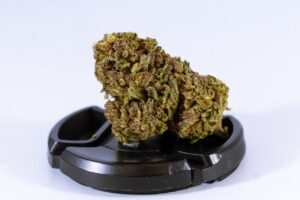

Microdosing cannabis involves consuming minimal doses to induce subtle shifts, as opposed to standard dosing, which utilizes larger quantities for pronounced results. Microdosing tends to assist with concentration or mood, without getting you high. Standard dosing, more typical for pain or sleep issues, may alter the user’s cognition or mood. Microdose users might turn to products such as oils or gummies that have transparent, low doses. Standard dosing could be taken or cake on some of the usual products with higher THC. Understanding the dose effect allows individuals to select the option that best suits their lifestyle and needs. This post will highlight key, practical differences to know about each style of cannabis usage.
Table of Contents
ToggleKey Takeaways
- Understanding the distinction between microdosing and standard dosing is essential, as microdosing typically involves very low amounts of THC (1 to 2.5 mg) for therapeutic benefits, while standard dosing uses higher amounts (10 mg or more) for pronounced psychoactive effects.
- Microdosing, on the other hand, is preferred by users looking for enhanced daily functioning, stress relief, or minimal symptomatic relief without strong intoxication, such as working professionals or wellness enthusiasts.
- Standard dosing is preferred by recreational users or those seeking psychedelic-level experiences, but it’s more likely to induce negative side effects like anxiety or paranoia, particularly for novice users.
- Accurate dosing and THC potency awareness are key in both strategies for efficacy and risk reduction, highlighting the importance of conscientious product choice and dose management.
- Ultimately, your personal goals, tolerance, and lifestyle should dictate whether micro or standard dosing is right for you, and continued self-reflection and experimentation can help create an evolving strategy that remains effective and healthy.
- Thoughtful dosing, undergirded by experience tracking and self-respect for individual limits, is crucial to maximizing positives and reducing negatives as a cannabis user ages.
Defining The Approaches
Microdosing and standard dosing of cannabis function differently, separated by intention, outcome, and THC dosage. Microdosing is consuming low THC — typically to address everyday stress, clarity, or pain — without feeling “high.” Standard dosing employs significantly larger quantities of THC, and its primary objective is a potent psychoactive effect, frequently for recreational or social purposes.
The Standard Dose
Standard dosing is intended to provide a sharp, pronounced impact. Folks often consume these larger amounts to catch the classic cannabis “high”—a combination of euphoria, sensory distortion, and occasionally intense relaxation or giggling.
- Standard THC dose: 10 mg to 25 mg or more
- Effects: pronounced psychoactivity, altered perceptions, high energy, or deep calm
It can create a powerful change in one’s perception, mood, and body feel. Normal dosing is for parties, creative type stuff, or simply kicking back from a hard day. For others, the high can seem too powerful, resulting in nervousness, delusions, or zealousness. These side effects tend to be more common in novice users, particularly with high-potency strains or edibles.
The Microdose
Microdosing focuses on tiny, targeted THC doses—typically 1 to 2.5 mg—to yield advantages without a pronounced euphoria. The concept is to assist your body’s endocannabinoid system to function more optimally for pain, anxiety, or sleep. Most begin at 2.5 mg for three treatments, then increase by 1 mg every few days, recording their results. Some require even less—like 0.5 mg or 1.25 mg—while still others find that 5 mg or more works better. Studies demonstrate that these microdoses may assist with anxiety and stress just as well as larger doses, but with less potential for harm.
Microdosing is all the rage for wellness seekers, not stoners. It allows them to regulate any pain or stress without becoming ‘fuzzy’ and unfocused at work or in their social life. This method is catching on in health and tech communities, where attention, emotional equilibrium, and output are highly valued. It’s simple to customize—individuals can experiment and tune their microdose to accommodate their preferences, leaving it applicable to numerous lifestyles.
Comparing Cannabis Dosing Strategies
Cannabis dosing strategies vary in technique and impact, influenced by the consumer’s desires and their dose. Microdosing and standard dosing cater to different requirements, exhibiting distinct effects on user experience, frequency, and long-term health.
Intended Outcome
The key with microdosing is to access some of the plant’s health benefits—like less stress or a more stable mood—without feeling euphoric or foggy. In this manner, individuals can stay on top of daily work or school activities while still consuming cannabis. For instance, a mini 1 to 2 mg dose of THC could help someone hyperfocus or relieve some nervousness, without a hard buzz.
Standard dosing seeks to provide a distinct psychoactive punch. The goal here may be to unwind, mingle, or pursue a more intense, psychedelic buzz. Such a style is in vogue for fun, not for those who smoke to remain alert. Deciding between these is simply a matter of individual objectives. If you only need mild relief or assistance with anxiety, microdosing is logical. If you’re looking for a bigger bang for recreational or relaxing purposes, regular dosing is the typical choice. Knowing what you want is key before choosing a method.
Dosage Amount
Microdosing employs far smaller doses—typically 1 to 2.5 mg of THC. They talk about a 2.5 mg dose that enhances thinking without being debilitating. Some even experiment with doses as small as 0.5 mg for anxiety reduction. Standard dosing, by comparison, has a lower bound of 10 mg and can go significantly past it. The larger the dose, the more powerful the impact, but the greater the potential for things like anxiety or feeling too “out of it.
Nailing the dose is key. Too little can be ineffective, and too much can have bad side effects. Maintaining a log and gradually increasing the dose by 1 mg every few days is a safe method for determining an ideal dosage. Most begin with 1–2 mg, then scale up or down as necessary.
Psychoactive Feel
Standard dosing induces the archetypal cannabis experience—intense euphoria, sensory enhancement, time distortion, and, typically, couch-lock relaxation. To others, it’s a chance to relax or think inventively, but some find themselves paranoid or distracted. Microdosing is the reverse. You may feel a little more clear-headed or calm or productive, but there’s no ‘high.’ The effects aren’t hard-hitting; they’re designed to enhance, not disrupt.
Individual variability counts, as well. Some folks are more attuned to THC, so a little bit goes a long way. Others require a greater amount to sense anything. Tolerance with regular use, so the same dose may begin to feel less and less potent. Knowing your response is key when selecting a dosing strategy.
Consumption Frequency
Microdosing typically involves dosing a few times per day—perhaps morning, lunch, and bedtime. This helps maintain a constant impact without large spikes or declines. Standard dosing is less frequent, perhaps only on weekends or evenings, and not as a daily habit.
Dosing cannabis more frequently, even at low levels, can alter your body’s response over time. The trick is to establish a regimen that works for you and doesn’t build high tolerance or bad habits.
Long-Term Effects
Microdosing may bolster long-term well-being by controlling stress and aiding some with mood while reducing risks associated with heavy use. Elevated, standard dosing regularly increases the risk of addiction and tolerance. Keeping note of what you feel over weeks and months is crucial, particularly for mental health.
Who Benefits From Each?
Microdosing or standard dosing of cannabis, depending on your needs, health, and desired effect. Each dosing strategy suits a different user, molded by differing objectives, tolerances, and circumstances. Knowing who benefits from each approach allows users to make more informed, safe, and effective decisions about cannabis use.
Individuals who benefit from micro-dosing:
- People managing chronic pain, PTSD, anxiety, or neurodegenerative diseases
- Professionals and students seeking focus, clarity, or productivity
- New cannabis users or those with low THC tolerance
- Individuals wishing to avoid strong psychoactive effects
- Individuals seeking symptom relief with minimal disruption to daily life
Individuals who benefit from standard dosing:
- Recreational users seeking pronounced psychoactive effects
- Social users in group settings or events
- Experienced consumers familiar with their limits
- Medical patients requiring higher doses under clinical supervision
The Microdosing Candidate
Microdosing is for those who want consistent relief without overwhelming psychoactivity. It’s frequently selected by those with chronic pain, PTSD, or anxiety. Research reveals that low doses can relieve pain, reduce stress, and promote mental wellness. For those with neurodegenerative diseases like Parkinson’s or Alzheimer’s, studies show consistent low doses could assist brain function and revive gene expression.
Microdosing plays nicely for professionals and students. Most desire to remain sharp, alert, and clear-headed throughout the day. Low-THC strains can optimize mental clarity, reduce distraction, and induce calm without sedation. New users, low tolerance, or THC-sensitive users usually begin microdosing. This slow method allows them to find the balance point where they are comfortable without experiencing side effects.
The Standard Dosing Candidate
Others are fans of standard dosing, particularly for recreation. They want a more powerful, evident impact and frequently consume cannabis to chill, have a good time, or laugh. At parties or in communal situations, larger doses are the norm because they can elevate mood, generate discussion, or deepen connection.
Experienced users who are familiar with their tolerances can go with standard dosing for a stronger effect or to control symptoms that aren’t responsive to microdosing. Higher THC doses can introduce risks — anxiety, confusion, or impaired function — so judicious use is essential.

Choosing Your Cannabis Product
Depending on your goal–for microdosing or standard dosing–choose your cannabis product. Every method requires a unique strategy, with elements such as THC potency, product form, and dosing precision guiding choice. Product safety, quality, and third-party lab testing are important to even the most avid users. Here is a table contrasting strains commonly used for microdosing and standard dosing.
Product Type | Typical THC Content | Dose Precision | Example Uses |
Tinctures | 1–2.5 mg/dose | High | Microdosing, fast onset |
Gummies | 1–2.5 mg/piece | High | Microdosing, slow onset |
Vape Pens | Variable | Moderate | Microdosing, flexible dosing |
Edibles | 5–10 mg/piece | Moderate | Standard dosing, lasting effect |
Joints/Bongs | 10–25% THC/gram | Low | Standard dosing, quick effect |
Concentrates | 50–100% THC | Low/Varies | High dosing, strong effects |
For Microdosing
- Checklist for microdosing products: * Select low-THC products (1–2.5 mg/dose).
- Verify third-party testing and certifications.
- Seek out specific, simple-to-divide choices such as gummies or tinctures.
- Opt for clearly labeled products.
- Stick to the same products to monitor the impact.
Tinctures are the best for microdosing because they allow you to count out doses as precisely as individual drops. With most tinctures, you can dose as low as 1 mg THC, combine with food or drink, or take sublingually for rapid effect. This allows you to dial in your dose.
Vape pens, although less precise than tinctures, enable small inhales. A lot of users find vape pens useful for calibrating intake on the fly. Keep in mind that consistency is contingent on the device and the oil’s potency.
Begin with the lowest dose possible—typically 1 mg—and maintain it for a few days. Tweak if necessary. This enables you to discover your optimal effect, with minimal danger.
For Standard Dosing
There are potent cannabis concentrates, like waxes or shatter, that provide high THC content, sometimes approaching 100%. These types of products fit those looking for potent effects. Make sure you check labels for THC% and lab testing.
Old-school joints/bongs are the tried and true standard dose. This mode provides cannabinoids quickly but complicates accurate dosing, particularly for beginners.
High-THC edibles, such as chocolates or baked goods, attract those desiring more intense or longer-lasting psychoactive effects. These tend to begin at 5 mg THC per piece, so dosing consciousness is critical.
Pay attention to your dosage. When it comes to potency, too much can shake even the most experienced smokers. Read the THC per serving, and if you’re unsure, start low.
Navigating Your Dose
Finding your cannabis dose is not a ‘one size fits all’ approach. Everyone’s body, objectives, and tolerance levels contribute to the appropriate THC dosage. Experimentation, tracking, and adjustment lead users to a dose that controls symptoms and fits into life.
Finding Your Threshold
Begin with a low THC dose, like 1-2 mg, and give your body time to respond. This slow approach prevents users from falling prey to side effects and allows them to concentrate on their subjective sensations.
Journal your sessions. Record any shifts in mood, attention, or unease. This log reveals what dose is most effective, and when to tweak. I discovered that 2.5mg of THC is sufficient for anxiety or aches, while others experience outcomes at a mere 0.5mg. Staying under the point where you feel “high,” you can get relief without losing clarity. Always mind your threshold to stay safe and optimistic.
The Role Of Tolerance
With consistent cannabis use, your body’s reaction to THC evolves. This is known as tolerance—it signifies that the identical dose has an increasingly diminished impact.
With tolerance, users may find themselves requiring increasing doses to achieve the same effect. This can make locating your dose a bit tricky. To prevent this, take time off from THC, called “tolerance resets.” Even a couple of days off can help. By that, I mean checking in with yourself and your routine — you keep your experience enjoyable and effective.
Dosing responsibly means not pursuing harder effects. Instead, direct your attention to what you require for your current objectives.
Adjusting Over Time
I need a shift. Stress, sleep, work, or health can change how much THC is beneficial. Be willing to adapt your habits as your life shifts.
Regular self-checks are crucial. If a dose that used to feel just right now feels too strong or too weak, adjust it gradually. Increment in small amounts, like 1-2.5mg, and stabilize at a dose for a few runs before adjusting again.
Patience is the ace in the hole. Don’t rush to higher doses and always let your body lead the way.
The Mindset Behind Dosing
Knowing why you’re using cannabis informs the decision between microdosing and regular dosing. Microdosing tends to seek subtle changes in mood, concentration, or relief from everyday stress and discomfort, whereas the standard dose taker is more apt to pursue a profound impact. That’s the mindset behind dosing. This purpose directs the approach and the result.
Mindset is the dosing of cannabis. Whether you’re microdosing or following a regular dosage, knowing your own needs and thresholds keeps you clear of unwanted consequences. With microdosing, individuals frequently begin with 1 to 2.5 milligrams of THC, monitoring their sensations very carefully. Certain users, for example, discover that just 0.5 mg can alleviate anxiety, whereas others favor the top of the microdose spectrum to combat pain or aid sleep. Standard doses — usually 10 milligrams of THC or above — can induce a stronger high and larger changes in perception and mood but can induce side effects or impairment.
The frame of mind you carry into your session colors the experience. If you want to remain clear-headed and keep grinding, then microdosing can keep you out of the strays but on the trail. For example, a student could dose with 2.5mg edible before a study session to attempt to enhance concentration without sacrificing lucidity. On the other hand, if you want complete chill or relief from intense pain post-work, then you’d pick a regular dose and deal with more acute effects.
Dosing responsibly is about more than just the math. It means taking a low dose, titrating up in increments, and allowing each step to do its thing. With edibles, though, you need patience, as it could take 30 to 120 minutes for the effects to kick in. Tracking your dose and how you feel, taking occasional breaks from THC, and being honest with yourself about your needs help cultivate a healthy relationship with cannabis. This mindful dosing mindset not only reduces risk-driven, excessive consumption but can save you money and maintain your tolerance.
Conclusion
In short, microdosing refers to using small quantities of cannabis for light effects and a clear head. We use standard dosing with higher amounts for more powerful effects, generally for pain or deep sleep. Both styles serve different purposes. Microdosing is perfect for consistent focus or lighter day hours. Standard dosing might assist with major pain or sleep. Each body responds differently. Check-in with your objectives, hear your body, and select what works for your lifestyle. No one method fits all. Experiment, take notes, and chat with others who know. To read or share your own story, come chat with us in our blog comments or contact us for assistance.
Frequently Asked Questions
1. What Is Microdosing Cannabis?
Microdosing cannabis is taking very small doses, typically less than 2.5mg of THC. This strategy is meant to provide perks sans hard-hitting psychotropics.
2. How Does Standard Dosing Differ From Microdosing?
Standard doses utilize larger quantities of THC, generally 5 milligrams or more. It can cause obvious psychoactive effects and is selected for robust relief or play.
3. Who Should Consider Microdosing Cannabis?
Microdosing is perfect for novices, THC sensitivities, or anyone looking for gentle relief without the buzz. It can assist with stress or concentration without the heavy side effects.
4. What Are The Benefits Of Standard Dosing Cannabis?
Standard dosing could deliver more robust symptom relief, like for pain or sleep. It’s selected when a significant impact is required, but it heightens the risk of side effects.
5. How Do I Choose The Right Cannabis Product For Dosing?
Search for products with obvious THC and CBD content. Opt for oils, capsules, or edibles that allow for precise dosing. Almost always start with a small amount and work up gradually.
6. Is It Safe To Experiment With Cannabis Dosing On My Own?
So, certainly, consult with a healthcare provider prior to beginning. Start low and see how you respond. Everyone’s magic number varies, so err on the side of slowness and tweak accordingly.
7. Does Mindset Affect Cannabis Dosing?
Yes, the mindset matters. Dosing with clear intention and an open mind will yield the best results.
Not Sure Where To Start With Cannabis? We’ll Help You Find The Right Dose.
Getting the benefits of cannabis starts with using the right amount, and that’s different for everyone. At A Therapeutic Alternative in Sacramento, we offer personalized Cannabis Dosage Guidance to help you feel confident, informed, and supported every step of the way.
Whether you’re new to cannabis, exploring it for a specific condition, or just want to fine-tune your current routine, our expert consultants and cannabis-trained nurses are here to guide you. We’ll walk you through what THC and CBD do in your body, help you choose the right products and methods based on your goals and preferences, and develop a safe, effective dosage plan that adapts as your needs change. You’ll also avoid common pitfalls, like overdoing it or wasting money on products that don’t work for you.
We take the guesswork out of cannabis use so you can focus on feeling better.
Consultations are available in person, by phone, or via Google Meet. Let’s find your ideal dose—so you get the results you’re looking for, without the stress.