
Tinctures vs edibles are two typical methods of cannabis consumption, both having distinct applications and impacts. Tinctures are liquid extracts that are placed under your tongue, allowing your body to absorb the active compounds quickly, frequently in under 30 minutes. Edibles are cannabis-infused food or drinks, which need to be digested, hence the delayed onset, anywhere from 30 minutes to two hours. Tincture dosing is more immediate and flexible, whereas edibles are less precise and tend to have a longer duration. To assist in selecting the perfect match, this article breaks down the primary differences between tinctures and edibles, from onset timing to duration of effects.
Table of Contents
ToggleKey Takeaways
- Tinctures and edibles provide unique cannabis experiences. Tinctures offer quick onset and accurate dosing, while edibles impart prolonged effects through delayed digestive system absorption.
- Knowing how they’re absorbed and metabolized is essential. Tinctures are absorbed sublingually and provide quicker relief, while edibles undergo first-pass metabolism, which influences potency and duration.
- Bioavailability is usually higher with tinctures, making them a more efficient option for immediate and effective symptom management.
- Depending upon your needs and lifestyle, user preferences may vary based on factors like flavor, ease of use, discretion, and longevity of effects.
- Quality is key, so opt for products that offer third-party testing, traceable ingredients, and a complete cannabinoid profile.
- Keeping up with innovations and advancements in cannabis formulations can assist users in making informed decisions and maximizing their experience as the market continues to evolve.
Understanding The Basics
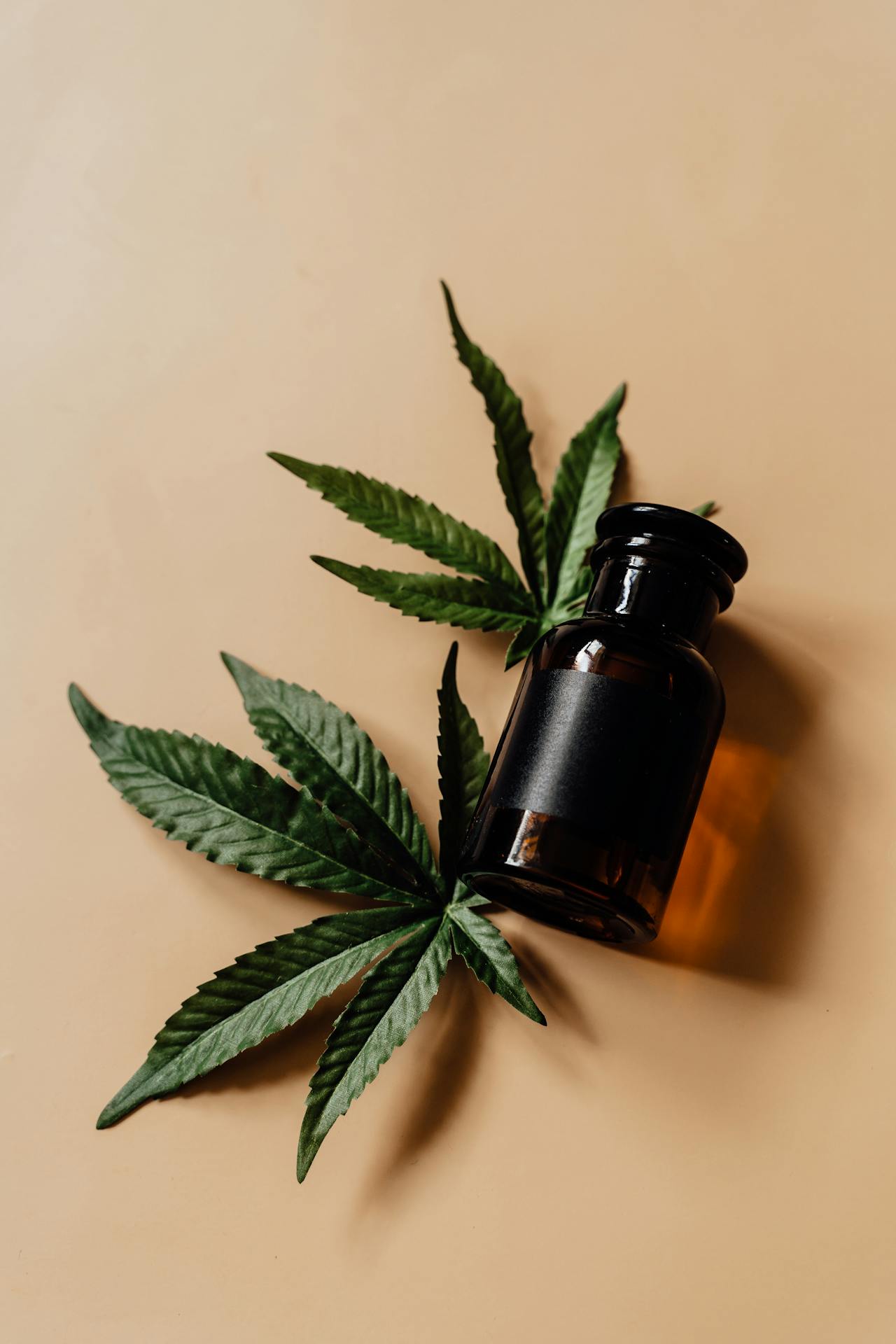
Tinctures and edibles are two smokeless methods of consuming cannabis, with unique traits that cater to individual preferences. Tinctures are concentrated cannabis liquids that typically use alcohol or glycerin for extraction. They can include any cannabinoids, such as THC or CBD. Their flexibility in dosing and consumption makes them especially attractive to users looking for increased control over their cannabis experience. Edibles are food items—imagine gummies, chocolate, or cookies—infused with cannabis extracts. Both are trendy worldwide, providing inhalation substitutes and resonating with a variety of tastes and lifestyles.
What Are Tinctures?
Since tinctures act fast, they’re a popular option for users looking for quick results. When used sublingually, by putting a few drops underneath the tongue, the actives are absorbed directly into the bloodstream. This technique enables effects to kick in within 15 to 30 minutes, faster than most edibles. Tinctures tend to be shorter, typically around 2 to 4 hours, making them ideal for individuals seeking immediate relief or more control over their experience.
Common uses of tinctures:
- Managing mild pain or anxiety quickly
- Flexible integration into drinks or recipes
- Microdosing for beginners or sensitive users
- Adjusting personal dosing with high precision
Consumers can dose out the precise amount with a dropper, eliminating the risk of overconsumption. This transparent dosing lends itself well to people who desire consistent effects or are new to cannabis.
What Are Edibles?
Edibles are food or beverages infused with cannabis extracts, with gummies, chocolates, and baked goods being some of the top sellers. These products are famous not only for the variety but also for simplicity.
They have a reputation for providing a more durable release of energy, usually around 4 to 8 hours or sometimes even as much as 12 hours. This makes them perfect for those looking for ongoing relief, like for chronic pain or sleep support. Edibles take longer to kick in, usually 30 minutes to 2 hours, because they have to be digested first.
Flavors and textures differ, making it more enjoyable for most. The protracted onset makes it crucial to begin with a low dose of 5 mg or less and wait at least 90 minutes to increase the dosage. Each one will vary according to metabolism, tolerance, and dose.
Key Differences: Tinctures Vs. Edibles
Tinctures and edibles both administer cannabinoids, but each in its own way, which affects absorption, onset, duration, and dosing flexibility. Knowing these distinctions assists consumers in choosing a consumption method aligned with their preferences, be it rapid effect onset or prolonged duration. The table below underscores notable differences for quick comparison.
Feature | Tinctures | Edibles |
Absorption | Sublingual (mouth mucosa) | Oral (digestive tract) |
Onset Time | 15–30 min (sometimes within minutes) | 30–120 min (often 45–90 min) |
Duration | 2–6 hours (typically 3–4 hours) | 4–8 hours (often 4–6 hours) |
Bioavailability | 40–50% (sublingual) | 4–20% (digestive) |
Dosing | Highly adjustable (dropper) | Fixed per serving |
Absorption Method
Tinctures enter the bloodstream via the mucous membranes under the tongue, allowing active compounds to bypass the digestive tract and liver initially. This sublingual absorption leads to higher bioavailability, sometimes up to 40-50%. Edibles need to travel through the whole digestive system, with much lower bioavailability, usually 4–20%. These routes of absorption really make a difference in how fast the effects hit. Tinctures enable quick dose adjustments, which is essential for those who require rapid changes, like acute pain patients.
Dosing Precision
With tinctures, consumers can count every drop, calibrating doses from as low as 2 mg per milliliter to 100 mg per milliliter. This provides powerful control for both veteran and novice consumers. Edibles, meanwhile, almost always have fixed dosing of 10 mg per piece, for instance, so it’s difficult to make subtle adjustments. Microdosing is much simpler with tinctures, allowing users to customize dosage precisely.
Metabolic Pathway
Tinctures bypass the stomach, allowing cannabinoids to enter the bloodstream rapidly. Edibles pass through the digestive system and are processed in the liver, where they convert to 11-hydroxy-THC, which crosses the blood-brain barrier more efficiently and can induce more intense or prolonged effects. This different metabolic pathway changes not only the intensity but also the character of the experience. Users who understand how these processes function can more accurately choose the appropriate product and schedule their consumption.
The Science Of Absorption
Nothing is more important for knowing your options than understanding how tinctures and edibles actually move through your body. How each is absorbed affects how quickly you sense effects, their duration, and intensity. All of these distinctions inform the user experience and can steer which product fits a particular need or context.
Sublingual Uptake
Tinctures are most commonly administered sublingually, where thin tissues allow cannabinoids to better slip into the blood without having to pass through the stomach. This sublingual pathway provides a rapid onset, with effects typically being noticed within 15 to 30 minutes. For someone seeking breakthrough relief, for an emergency pain or nausea situation, this rapidity is crucial.
A single dropper is discreet enough to use anywhere, even in public, making tinctures a silent option for those who want to avoid heads turning. Their small bottles easily slide into a pocket or bag. The relief is rapid, but it doesn’t endure as long, typically lasting 2 to 4 hours, so redosing is likely required more frequently.
First-Pass Metabolism
Edibles have to pass through the gut and liver before they hit the bloodstream. This process, known as first-pass metabolism, can degrade some of the cannabinoids, causing them to be less powerful by the time they hit. Consequently, users might require higher doses to achieve comparable effects. This is a consideration if you seek exact dosing or are susceptible to side effects.
This path causes edibles to require a significantly longer onset, typically 45 to 90 minutes before they kick in, with some individuals requiring as long as two hours. On the positive side, the impact is much more durable—typically 4 to 8 hours and occasionally as long as 12. Knowing this aids users in selecting an approach that fits their requirements, whether it’s a rapid surge or consistent rescue.
Bioavailability Impact
Bioavailability is how much of that compound actually gets into the blood. Tinctures, taken under the tongue, generally have higher bioavailability than edibles since they bypass the gut and liver breakdown process. This means more active cannabinoids get into the system, so you may want to reduce your dose. Edibles, which have lower bioavailability, might need higher dosages to achieve the same effect.
Consumption Method | Bioavailability (%) | Typical Onset (min) | Duration (hours) |
Sublingual Tincture | 13–35 | 15–30 | 2–4 |
Edibles | 4–20 | 45–90 | 4–12 |
Inhalation | 10–35 | 1–5 | 1–3 |
When choosing a product, understanding its bioavailability allows you to gauge both dosage and duration of relief. It can make dosing safer and effects more predictable.
The User Experience
Whether you opt for tinctures or edibles is up to your own needs, lifestyle, and expectations. Both types come with their own set of benefits and compromises. Key factors shaping user preferences include:
- Speed and duration of effects
- Taste and enjoyment
- Convenience in dosing and transport
- Discretion in use
- Ingredient quality and formulation
- Risk of overconsumption
- Desired therapeutic outcomes
Taste And Palatability
Tinctures, though streamlined, can be robust or rustic-tasting. Their flavor comes from the liquor or oil base and occasionally additional herbal notes, which can be intense and unfamiliar to some users. For a lot of people, this taste is a deal-breaker and not great when mixed into beverages or cuisine.
Edibles range in taste and type. Gummies, chocolates, cookies, and mints are some of the most popular, catering to a wide array of palates across cultures. That’s why so many love edibles—they’re delicious and cover up cannabis’s inherent bitterness.
Flavor is important for maintaining consistent use. Delicious flavor helps adherence, particularly for those consuming cannabis for everyday wellness or medicinal purposes. This is important for beginners who appreciate a soft landing.
Convenience And Discretion
Tinctures are unbeatable for portability and rapid dosing. They are small bottles, pocket or purse-sized, and simple to dose, typically with a dropper. A user can take a discreet under-the-tongue dose in seconds and feel effects in 15 to 30 minutes that last 2 to 4 hours. This makes tinctures practical for people who desire rapid relief or have to remain alert and clear-headed.
Edibles have a different sort of subtlety. Because they appear to be normal snacks, users can enjoy them in public without attracting notice. No additional equipment or setup is required. Users have to wait longer, potentially up to 2 hours, for effects. These effects stick around longer, lasting 4 to 8 hours, fueling edibles’ status as a favorite for patients looking for all-day relief or assistance.
Formulation Ingredients
Tinctures can be boosted with additional cannabinoids, terpenes, or herbal extracts for an extra kick. The base — alcohol or oil — determines how quickly the body absorbs the active compounds. Edibles frequently have sugars, fats, and flavorings. These enhance flavor and alter how the body absorbs and utilizes cannabis.
Checking ingredient labels is key. Taste can be good, taste can be bad, and additives can play havoc on the user’s system. For those with dietary requirements, such as staying away from sugar or oil, this is critical. This blend of ingredients contributes to defining the desired effects, from increased alertness to more prolonged calm.
Choosing Your Ideal Format
It ultimately comes down to your needs. Do you want quick relief, or do you want something that will last? All of our formats fit different lifestyles, dosing requirements, and preferences. Knowing these things will help you make a more informed decision.
When To Choose Tinctures
Tinctures are ideal for those seeking fast-acting relief. They typically sit under your tongue, where the CBD or active compounds can enter the bloodstream more quickly. This technique frequently begins to take effect within 30 to 45 minutes. For someone experiencing acute pain or nausea, tinctures can be a great fit because of their quickness. Sublingual absorption provides a bioavailability rate of approximately 12 to 35 percent, meaning more of the active compound makes it into your system than with edibles.
Your habitation solutions have to be seamless in your life! A few drops of tincture can be consumed silently and swiftly, which is appealing for those who don’t want to wait or don’t want to eat a snack every time. For the latter, the dropper design allows for incremental dose adjustments, which is useful if you find yourself needing to dial in your dosage. This kind of control is more difficult with edibles, which are pre-dosed and may not be ideal for everyone.
Some folks just aren’t fans of edibles. Tincture can be added to drinks or taken straight, which eliminates the chewing step or sweetening step. Titrating dose is a lot easier, as you can increase or reduce your dose by one drop.
When To Choose Edibles
We choose edibles when we want a slow onset and long-lasting effects. It’s after eating and can take between 30 minutes and 2 hours to feel the initial effects. This slow start means edibles aren’t suitable for acute symptoms, but they’re perfect if you want relief that lasts 4 to 8 hours.
They’re perfect for parties. Whether gummies, chocolates, or baked goods, share and enjoy with friends! Since they’re available in a variety of flavors, edibles attract those seeking a tasty snack, not just a fix. Almost all edibles are pre-dosed, so you know precisely what you’re taking every time. This makes them a breeze to use, even if you’re new to CBD.
Be patient with the edibles. The impact is slower, so there’s a danger of noshing too much too soon. If you’re new to these products, it’s wise to dose low and wait before dosing more. Overdoing it is a frequent error, and it’s best to play it safe, particularly since label honesty and uniformity in the business aren’t always dependable.
Beyond The Basics
Grasping the nuances between tinctures and edibles goes beyond surface effects and gets under the hood of how these products are crafted, how to evaluate them, and the trends driving the industry. For anyone maneuvering the evolving cannabis marketplace, these basic guidelines for selecting products can help steer clear of subpar options and make the experience safer and more enjoyable.
Evaluating Product Quality
Begin with third-party lab testing. Trusted brands will present certificates or lab reports that demonstrate their products do not contain harmful chemicals and that their potency numbers are correct. This information is typically posted on company websites or at the dispensary.
Sourcing is important. Items from trusted dispensaries are much more likely to be safe. Transparency is important too. Brands that list exactly what’s in their product and where it’s from, even detailing extraction processes for tinctures or cooking methods for edibles, create confidence and help you feel safer.
Other users’ reviews provide a genuine perspective. Reading other people’s reviews of a product or getting advice from someone you trust can help direct you to companies that are committed to quality.
The Cannabinoid Spectrum
THC potency tells you how potent the THC is in your product. Full-spectrum products retain a variety of cannabinoids and terpenes, while isolates specialize in a single one, such as CBD or THC. The different cannabinoids can work synergistically and may enhance therapeutic effects, so broad-spectrum tinctures and edibles tend to deliver a more wide-ranging impact.
Understanding which cannabinoids are in play allows you to craft your experience. For instance, certain edibles may have a higher THC content for potent bursts of power, whereas tinctures might provide an even blend for a gentler, more manageable effect. Go low and slow. Start with petite doses of 5 mg or less for edibles and wait before dosing again, as the effects persist for 4 to 8 hours and the onset is slow, taking 30 to 120 minutes. Tinctures work quickly, often within 15 to 30 minutes, but their effects decline within 2 to 4 hours.
Experimenting with different profiles allows users to discover what suits their requirements. Some seek longer relief from edibles, while others prefer the rapid, fleeting effects from tincture.
Future Product Innovations
Here we go, breaking into the future! Expert formulations that absorb more efficiently, like nano-emulsified tinctures or precise-cannabinoid-ratio edibles, are on the rise. Even more on the rise are personalized products, allowing users to tailor to specific needs, such as sleep, focus, or pain relief.
Commitment to ongoing research means products with better delivery and enhanced safety profiles are hitting the market all the time. Keeping up by following cannabis news or checking trusted brands for updates can help users get the best and most effective options.
Conclusion
Tinctures vs edibles: the key differences explained. Tinctures kick in quickly and allow users to calibrate their dosage. Edibles last longer and are ideal for those who enjoy a set schedule. Some want to feel good and avoid the burn, so they opt for edibles. Others desire a delayed, sustained effect to assist with sleep or mood, so they opt for edibles. Both work best with some experimentation. Your lifestyle and personal requirements should determine your selection. For those who love to share tips or swap stories, the tinctures and edibles world presents tons of space for innovation. Discuss your own experiences or ask questions to continue this conversation.
Frequently Asked Questions
1. What Are Tinctures, And How Are They Used?
Tinctures are flavorful liquid extracts, generally infused with either alcohol or oil. They are administered by placing drops under the tongue. This means it is quickly absorbed and easy to dose.
2. How Do Edibles Differ From Tinctures?
Edibles are food products infused with active ingredients. They are consumed and metabolized, causing effects that come on more gradually and persist longer than those of tinctures.
3. Which Is Faster-Acting: Tinctures Or Edibles?
Tinctures kick faster. Effects will be felt within 15 to 45 minutes. Edibles require more time, typically 30 to 90 minutes, because they have to be digested.
4. Are Tinctures Or Edibles Easier To Dose?
Tinctures provide more accurate dosing. You can regulate the dose drop by drop. Edibles are more difficult to dose precisely because they can cause uneven distribution in food.
5. Which Is Preferred For Discreet Use?
Tinctures are more discreet. They’re virtually odorless and can be taken discreetly and quickly, with no fuss. Edibles can be more prominent and take longer to finish.
6. Do Tinctures Or Edibles Last Longer?
Edibles typically persist in duration. Effects can last four to eight hours. Tinctures typically have effects lasting from two to four hours, varying based on dosage and personal metabolism.
7. Are Tinctures Or Edibles Better For Beginners?
Tinctures are generally more suitable for novices. They permit low, incremental dosing and faster tweaking. Edibles are more difficult to dose and have a delayed onset of effects, which leads to more opportunities to overconsume.
Choose Tinctures, Oils, And Sublingual Cannabis With Confidence At A Therapeutic Alternative
Tinctures, oils, and sublingual cannabis give you more control, but only if you understand how they work. Knowing how they’re made, how absorption happens under the tongue, and how to read labels takes the guesswork out of choosing the right product. Suppose these articles left you wondering about dosing, onset time, THC vs CBD balance, or why oil quality matters. You’re not alone. Getting it right matters when your goal is feeling steady, consistent, and well.
The team at A Therapeutic Alternative is here to help turn education into real-world choices. Ask questions anytime or stop by for a calm, one-on-one conversation rooted in care and experience. When you’re ready, browse our selection of tinctures, oils, and sublingual cannabis products at your own pace and choose what fits your body, your goals, and your daily routine.