
Here’s why tinctures appeal to medical cannabis patients. Tinctures appeal to medical cannabis patients because they provide an uncomplicated method of administering cannabis with precise dosing control and convenient administration. A lot of folks want something that kicks in quickly and can’t be smoked or vaped. Tinctures appeal to medical cannabis patients because they allow them to place the drops sublingually—under the tongue—so that effects are induced in minutes. The liquid format assists those with difficulty in handling pills or food. Others appreciate that tinctures are sold in little bottles, making them easy to take on the go and apply. Doctors and patients can collaborate to adjust the dose to each patient’s needs. For several, they make medical cannabis calmer and more private. The main body will explore additional motivations and real applications.
Table of Contents
ToggleKey Takeaways
- Medical cannabis tinctures offer exact dosing and predictable results, enabling patients to treat symptoms with precision and assurance in various chronic ailments.
- Because tinctures can be absorbed sublingually, they provide both a rapid onset and better bioavailability. This leads to faster and more effective relief than traditional ingestion.
- Tinctures offer a smoke-free and discreet option for cannabis consumption, which is especially beneficial for individuals seeking to avoid respiratory risks or maintain privacy in diverse environments.
- Tincture mechanics: Knowing what goes into tincture formulations from cannabinoid ratios and terpene profiles to carrier liquids can help patients make informed choices about what best suits their needs.
- Titration and storage are two other important considerations for optimizing tincture efficacy, minimizing side effects, and preserving quality over time.
- Transparent patient-physician communication and conscientious symptom monitoring allow patients to safely integrate tinctures into larger treatment regimens and continue to adjust them for optimal results.
The Appeal Of Medical Cannabis Tinctures
For countless patients, medical cannabis has found a new favorite — the tincture — offering control, reliability, and convenience. These tinctures provide a smoke-free option that can seamlessly integrate into lifestyles and settings of all kinds while delivering a consistent and predictable therapeutic experience.
Dosage Precision
Tinctures are particularly useful for their dosing precision. As each drop has a quantifiable amount of cannabinoids, patients can accurately dose themselves based on their requirements. That control is particularly important for patients with chronic diseases, for whom minor dosage variations can make or break symptom control. The dropper makes it simple to take and replicate the dosage. Tinctures enable microdosing, which allows patients to experiment with small doses and identify their minimum effective dose. Many users appreciate this flexibility, as it allows them to sidestep side effects while still finding relief.
Consistent Effects
Tinctures are formulated with standardized cannabinoid profiles, providing patients with consistent effects for every dose. Stable formulations make it easier to manage symptoms because you get the same amount of active ingredient every time. This consistency becomes especially crucial for patients who require stable cannabinoid levels. Patients can remain on their regimens without surmising and accounting for erratic impact.
Smoke-Free Relief
By sidestepping combustion, tinctures eliminate the health dangers associated with smoke inhalation. This makes them a favored choice for patients with respiratory issues, asthma, or sensitivities. They’re clean, and they don’t provide the dangerous byproduct of the classic joint smoke. No smoke, no odor. It’s an attractive offer to those looking for discreet health-conscious alternatives.
User Discretion
Tinctures provide a subtle method of consumption of medicinal cannabis in the comfort of your own home or out and about. The small bottles are convenient to carry,y and doses can be taken discreetly. Patients can control symptoms on the fly by dropping doses into drinks or meals as necessary. With numerous flavors and customizable blends, the experience is more pleasant,nt and tinctures seamlessly integrate into everyday lifestyles.
Understanding Tincture Mechanics
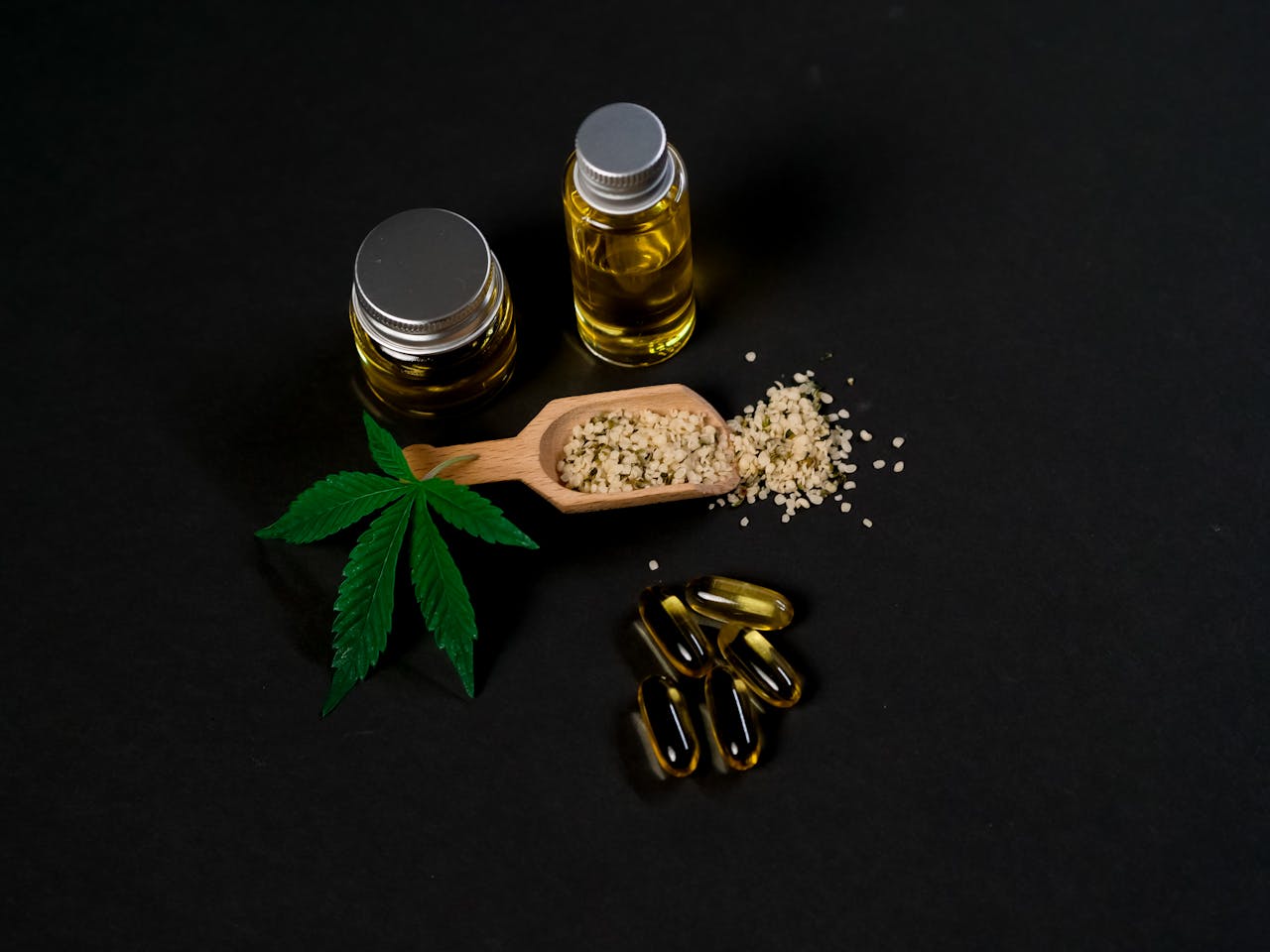
Tinctures are liquid cannabis extracts manufactured by steeping plant material in alcohol or oil to extract the active ingredients, including THC and CBD. This is what enables manufacturers to capture cannabinoids and terpenes in a concentrated, quantifiable form. Because tinctures are concentrated, patients can precisely dose and titrate their intake. Knowing what’s inside a tincture—its cannabinoids, carrier oil, and additional additives—empowers patients to select products aligned with their medical needs, dietary preferences, or allergies. Extraction methods, such as ethanol or CO2 extraction, affect both the purity and potency of the final product. Patients who comprehend these mechanics feel more confident in their choices and can more effectively consult with their doctors.
Sublingual Pathway
This sublingual route is achieved by placing tincture drops underneath the tongue so that cannabinoids come into contact with the mucous membranes. This bypasses the digestive system, allowing for direct absorption into the bloodstream. The method is prized for its rapidity. Effects can manifest within 15 to 30 minutes, significantly faster than most edibles. Under-the-tongue holding of the tincture for 30 to 60 seconds optimizes this absorption.
For patients who have difficulty swallowing pills or digesting edibles, the sublingual method is simple to apply. Those requiring immediate relief for pain or anxiety capitalize on the rapid onset. Sublingual effects can often persist for four to six hours, providing an excellent balance of immediate impact with long-lasting relief.
Bioavailability Factors
Factor | Impact on Bioavailability |
Carrier Oil Type | Changes absorption rate, taste |
Extraction Method | Alters purity and cannabinoid mix |
Formulation Additives | Can boost or limit uptake |
Patient Metabolism | Individual differences in effects |
Even the carrier oil, whether it be MCT or olive, plays a role in how THC or CBD is absorbed and the mouthfeel of the tincture. Product formulation counts as well. Nicely blended tinctures provide superior and more predictable experiences. Each individual’s metabolism will influence the dose and duration of action for cannabinoids, so it is critical to begin with low dosing and titrate accordingly.
Onset And Duration
Tinctures have a reliable onset, often faster than capsules or edibles. Sublingual use kicks in after 15 to 30 minutes, but swallowing tinctures or blending them into food slows things down to 45 to 60 minutes. This flexibility allows patients to customize relief to their requirements, whether they need fast relief or slower, longer-lasting relief. Taken orally, effects can last 6 to 8 hours.
By understanding when the effects begin and end, patients can better manage their symptoms and plan their days, establishing confidence in their medication.
Formulations For Patient Needs
Medical marijuana tinctures come in formulations for many patient needs. Tincture design from cannabinoid ratios to carrier liquids is crucial for both safety and efficacy. Here’s a breakdown of common tincture types and their intended uses:
Formulation | Intended Use | Key Features |
1:1 CBD:THC | General wellness, mild pain, stress | Balanced effect, low psychoactivity |
5:1 CBD:THC | Calm, anxiety, mild inflammation | Gentle relief, less THC impact |
High-THC | Appetite, severe pain, sleep | Notable psychoactivity |
High-CBD | Seizures, anxiety, muscle spasms | Minimal psychoactivity |
Full-spectrum | Broad symptom coverage | Includes terpenes & minor cannabinoids |
Isolate-based | Specific symptom targeting | Single compound focus |
Cannabinoid Ratios
- 1:1 CBD: THC is often used for stress, mild pain, and general wellness.
- 5:1 CBD: THC—suits those seeking a subtle, calming effect.
- High-THC—best for sleep, appetite, and strong pain relief.
- High-CBD—chosen for anxiety, inflammation, and spasticity.
Full-spectrum tinctures provide an even effect with the plant’s full chemical profile. They mix cannabinoids, terpenes, and other compounds, which might synergize for a more holistic therapeutic effect. Certain patients prefer to tailor ratios for their own specific needs, providing symptom relief without undesirable side effects. By understanding the cannabinoid blend in every tincture, we are able to provide superior care and more consistent outcomes.
Terpene Profiles
Terpenes are a key part of how tinctures work. These compounds can amplify cannabinoid benefits, sometimes rendering the entire formula more effective than its components. Limonene can provide citrus notes and boost mood, while myrcene delivers earthy flavors and can potentially aid relaxation. The terpene mix, together with the cannabinoids,s can create a powerful, specific effect, the “entourage effect.” For patients, the terpene profile assists in selecting tinctures that fit both their medicinal and flavor requirements.
Carrier Liquids
Ethanol, MCT oil, and glycerin are typical carrier liquids. The kind employed alters the tincture’s effectiveness and the speed at which it absorbs. MCT oil is favored for its rapid absorption and clean flavor. Good carrier oils increase potency and aid in uniform dosing. For others, diet and allergies count. Plant-based carriers are great for vegans, while others require allergen-free options. The carrier selection influences the taste and texture, complementing the patient experience.
Practical Patient Guidance
Medical cannabis tinctures provide patients with a consistent and flexible option for managing symptoms. They’re appealing because of the convenience of dosing, a quicker onset compared to edibles, and discreet dosing. Below is some practical patient guidance for using tinctures as safely and effectively as possible, against the background of individual differences, global lifestyles, and patient priorities.
Titration Method
Titration is a gradual method to discover the dose that works best for you. Patients begin with a low dose, then titrate up gradually, allowing the body time to adapt. This cautious approach prevents adverse effects while ensuring benefits are optimized.
A dosing journal is a useful tool that records each dose, the time taken, and any feelings or changes noticed. Patterns become clear over days and weeks. For example, a person might note that a small morning dose improves focus, while a larger dose before bed aids sleep. Waiting at least a week after a dosage change gives enough time to judge real effects before adjusting again.
Outcome tracking can help patients and providers alike make wiser decisions about continued care. This systematic approach is crucial for achieving a sustainable and effective routine.
Consumption Flexibility
Tinctures provide patients with numerous methods of administering their medicine. With sublingual use, drops under the tongue for 30 to 60 seconds, the body absorbs cannabinoids quickly, often feeling effects in the 20 to 30 minute range that last four to six hours. Mixing tinctures into beverages or food provides an alternative; however, the impact can take up to two hours to begin and persists longer.
Others like to take tinctures daily, perhaps in the morning or at night, to help with stress or sleep. Their flexible format means tinctures can be used both at home and in social settings, as they are easy to carry and discreet to use. This flexibility accommodates different lifestyles globally and empowers patients.
Proper Storage
- Store tinctures in cool, dark places.
- Use amber glass containers to block light.
- Avoid heat and moisture.
- Check expiration dates and packaging before each use.
Correct storage of tinctures maintains their strength and protects their safety. Light and heat can degrade the active ingredients. Amber bottles are perfect. Keeping a log of purchase and expiration dates keeps you fresh. Check bottles for leaks or change of color periodically to maintain their effectiveness.
The Patient-Practitioner Dialogue
Open discussion between patient and practitioner guides how tinctures fit into treatment. Several patients are relying on tinctures to treat chronic pain, anxiety, or sleep problems. Each case is different. Practitioners consider the patient’s complete health narrative, not only symptoms. They discuss health objectives, previous treatments, and any medications the patient currently takes. This bi-directional exchange assists in customizing the tincture variety and dosage. Patients often inquire about the onset of action of tinctures, the duration of relief, and potential side effects. Open, continuous dialogue is the secret to safety and optimal outcomes.
Treatment Integration
Tinctures, meanwhile, tend to be tacked onto larger treatment regimens rather than stand-alone remedies. They are great additions to plans for arthritis or nerve pain. Others pair tinctures with PT or therapy. This combination provides more avenues for symptom management. How a patient lives — work, family, diet — matters as well. If you have a relief need but work 12-hour shifts, a quick-acting tincture may fit your lifestyle. Others might prefer a more gradual release for overnight medicating. Care teams can recommend putting tinctures under the tongue for fast action or swallowing for a sustained effect. In other clinics, chronic pain patients combined tinctures with other meds and observed consistent gains over months.
Symptom Tracking
Carefully observing symptoms helps you customize tincture use. Patients maintain notes on pain, mood, or sleep. Some utilize straightforward journals, while others log with smartphone applications. This info allows practitioners to figure out what’s actually succeeding. If the pain recedes or side effects emerge, dose adjustments may be required. Tracking feedback highlights trends that may not be evident during a short consultation. The greater specificity a patient can provide, the more tailored the plan is to her life. Trends for weeks inform next steps. Small changes in symptoms can direct treatment.
Adjusting Dosages
Tincture doses are not fixed. Each patient responds differently, so flexibility is key. Practitioners begin with a low dose and can increase it gradually. This gradual step-up helps eliminate dangers such as dizziness or stomach problems. Patient onus, again, they must speak up if symptoms change so the dose can match their needs. Changes are made incrementally, not all at once. This deliberate speed reduces the risk of adverse reactions. When patients recorded their reactions and collaborated with their care team, fewer side effects appeared, and remission stayed longer.
Beyond The Obvious Benefits
Tinctures do more than just alleviate symptoms for medical cannabis patients. They offer real, tangible advantages that can make everyday life easier, particularly if you’re someone who appreciates privacy and autonomy. Unlike some forms that scream LOOK AT ME, tinctures are stealth. A little bottle slips into a pocket or bag, and a dropper allows people to consume their dose discreetly at the office or out in public. This subtle deployment is why so many professionals opt for tinctures.
Tinctures lend themselves nicely to everyday health routines. The option of taking an accurate dose is a huge advantage for users who require consistent, predictable effects. With a dropper, it’s simple to dose down to the milliliter, so every dose can correspond with your medical needs. This control is hard to achieve with edibles or even smoke, where strength can vary from batch to batch. Tinctures taken sublingually, on the other hand, tend to take effect in 15 to 45 minutes—a nice middle ground if you require fast, reliable relief. Once active, the effects last 3 to 8 hours, making tinctures suitable for long shifts, hectic days, or peaceful evenings.
Tinctures do more than just leverage simple symptom management. They help support mental clarity and relaxation. To users, a consistent, measured dose can calm nerves without inducing a distracting high. For others who need to stay sharp while controlling pain or stress, tinctures provide a means to keep life in motion. Tinctures are convenient, too. With a sublingual, the body absorbs 40 to 50 percent of the active ingredients, far more than the 4 to 20 percent with edibles. This translates to less product for the same or better impact.
Tinctures are versatile. Consumers can administer them sublingually, mix them in with their food or beverage, or even rub them on their skin. This simplifies fitting cannabis into routines without bother. Tinctures are easy to store; they maintain potency for years when stored in a cool, dark place, so there’s no pressure to consume them quickly.
As more individuals seek cannabis delivery methods with busy, contemporary lifestyles in mind, tinctures earn newfound approval. This combination of convenience, targeted dosing, and sustained release makes tinctures a smart option for many medicinal marijuana users.
Conclusion
Here’s why tinctures hold sway for medical patients. Easy drops enable patients to precisely adjust every dose. Patients who desire rapid relief, convenient dosing, or smokeless options reach for tinctures. Many of them are finding relief from their pain, stress, and sleep issues. Each bottle provides consistent, easy-to-monitor outcomes. Doctors can steer patients in a safe direction. You can pick between blends and strengths. For many of us, that combination of control, potency, and delicate application is truly comforting. True tales reveal why tinctures help during hectic hours and heavy nights. To choose what works best, consult your care team. Tell us your requirements, carry your questions, and continue studying. You can’t really care without open talk and the right tools.
Frequently Asked Questions
1. Why Do Medical Cannabis Patients Choose Tinctures?
Tinctures provide exact dosages, quick absorption, and convenience. Patients can tailor the dose and bypass smoke and vapor.
2. How Do Tinctures Work In The Body?
Tinctures are administered sublingually. This lets cannabinoids hit the bloodstream rapidly, usually within 15 to 45 minutes.
3. Are Tinctures Safer Than Smoking Cannabis?
Tinctures aren’t burned or inhaled. This sidesteps the respiratory dangers and provides a smokeless option for medical use.
4. Can Tinctures Be Customized For Specific Conditions?
Yup, tinctures are available in different cannabinoid and terpene profiles. Patients and doctors can choose formulas that are most appropriate for particular symptoms or conditions.
5. How Should Patients Use Tinctures For The Best Results?
Patients are advised to begin with a modest dose and increase slowly if necessary. A steady dose and steady recordkeeping help achieve the effects you want safely.
6. What Should Patients Discuss With Healthcare Practitioners About Tinctures?
Patients should discuss their health objectives, existing medications, and any apprehensions. Doctors can suggest safe doses and check for adverse effects.
7. Besides Ease Of Use, What Other Benefits Do Tinctures Offer?
Tinctures provide discreet use, long life, and consistent strength. They’re a good fit for anyone who has dietary restrictions or has trouble swallowing.
Choose Tinctures, Oils, And Sublingual Cannabis With Confidence At A Therapeutic Alternative
Tinctures, oils, and sublingual cannabis give you more control, but only if you understand how they work. Knowing how they’re made, how absorption happens under the tongue, and how to read labels takes the guesswork out of choosing the right product. Suppose these articles left you wondering about dosing, onset time, THC vs CBD balance, or why oil quality matters. You’re not alone. Getting it right matters when your goal is feeling steady, consistent, and well.
The team at A Therapeutic Alternative is here to help turn education into real-world choices. Ask questions anytime or stop by for a calm, one-on-one conversation rooted in care and experience. When you’re ready, browse our selection of tinctures, oils, and sublingual cannabis products at your own pace and choose what fits your body, your goals, and your daily routine.