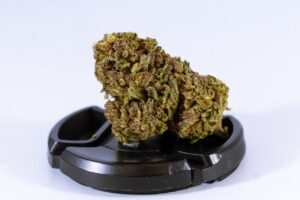

Cannabis seed oil is derived from cold-pressed seeds of the Cannabis sativa plant and has no psychoactive effect. Numerous Sacramento wellness enthusiasts rave about it for its gentle, nutty flavor and transparent green hue. Consumers select it primarily for its ratio of omega-3 and -6 fatty acids, as well as its high vitamin E content. Others claim it moisturizes the skin and aids in (ahem) a balanced diet. Sacramento wellness devotees appreciate the oil’s pure, plant-based origins and that it slots nicely into a vegan or allergen-free regimen. As more individuals look for convenient, natural solutions to health, cannabis seed oil continues to attract local attention. The following divides its uses, benefits and what the science says.
Table of Contents
ToggleKey Takeaways
- By definition, cannabis seed oil is a nutrient-rich oil made from the seeds of the Cannabis sativa plant, providing essential fatty acids, vitamins and minerals without any psychoactive effects.
- The oil’s unique nutrition profile, containing omega-3 and -6 fatty acids and antioxidants, nourishes skin, heart, and overall health, making it perfect for both diet and topical application.
- Cannabis seed oil, unlike CBD oil, contains no cannabinoids or THC, so it’s safe for everyone and they can sneak it into their regimen without worrying about legal or safety risks.
- For best results, choose quality cold-pressed, organic cannabis seed oil, with transparent labeling and responsible extraction.
- As research around the world into the nutritional and healing properties of cannabis seed oil continues, it’s a good idea to stay up-to-date on new discoveries and evidence-based applications.
- Readers are invited to incorporate cannabis seed oil into their wellness regimens — either culinary or topical — in small doses, adjusting as necessary for their particular needs.
What Is Cannabis Seed Oil?
Cannabis seed oil, also known as hemp seed oil, is a nutrient-rich oil extracted from the seeds of the Cannabis sativa plant. Unlike other cannabis-derived oils, it contains little to no cannabinoids and zero psychoactive compounds—meaning it won’t get you high and is legal and accessible in many countries. Thanks to its impressive nutritional profile, packed with omega fatty acids and essential minerals, it’s become a rising favorite in wellness circles for both culinary and topical use.
The Source
Hemp seed oil is made exclusively from the seeds of hemp, a variety of Cannabis sativa cultivated for industrial and nutritional purposes. These hemp plants are specifically bred to produce low levels of cannabinoids and high seed yields. Because hemp grows quickly, uses less water, and helps improve soil quality, it’s often grown on sustainable farms.
Hemp has ancient roots. It’s been cultivated for thousands of years in regions like China, India, and Eastern Europe for fiber, seed, and oil. Today, the key to high-quality hemp oil lies in careful seed sourcing—only clean, contaminant-free seeds yield pure, nutrient-rich oil.
The Composition
Hemp seed oil has a well-balanced ratio of omega-3 and omega-6 fatty acids—nutrients that the human body needs but can’t produce on its own. It also contains vitamin E, magnesium, and zinc, which support skin repair, heart health, and immune function.
Importantly, cannabis seed oil doesn’t contain THC or CBD, so it won’t cause intoxication or show up on drug tests. Its lightweight texture makes it easily absorbed by the skin, which is why it’s commonly used in facial creams and serums.
The Difference
Cannabis Seed Oil vs. CBD Oil
Cannabis seed oil is extracted from the seeds and is rich in nutrients but contains virtually no cannabinoids (typically less than 0.01%). CBD oil, by contrast, is made from the flowers and leaves of the plant and contains active cannabinoids like cannabidiol (CBD).
While both oils support overall wellness, hemp seed oil is favored in the beauty and food industries for its mild texture and nutritional value. CBD oil is typically used more for targeted therapeutic benefits.
The Process
Hemp seed oil is typically made using cold pressing—a method that extracts oil without applying heat, helping preserve its nutrients. The oil’s purity and effectiveness depend heavily on the quality of the seeds and the extraction method used.
Organic seeds are preferred to ensure a clean, chemical-free oil. Newer technologies are also improving cold-pressing efficiency, ensuring consistent quality in the final product.
The Misconception
Some people mistakenly believe that cannabis seed oil is psychoactive. It’s not—there’s no THC in the oil.
This confusion often stems from the broader use of the term “cannabis.” Understanding the differences between hemp seed oil, CBD oil, and THC-containing products helps consumers make informed, safe choices for health and wellness.
The Science Behind the Glow
Cannabis seed oil, derived from the Cannabis sativa plant, is being noticed for legitimate, science-supported possibilities. Its secret combination of key nutrients and bioactives is what has made it a must-have for the glow-getters out there. Knowing its science can help users make better choices and set realistic expectations.
Nutritional Profile
Cannabis seed oil is packed with a perfectly balanced ratio of omega-6 to omega-3 fatty acids – important heart, brain and skin nutrients. These fats cannot be synthesized by the body and must therefore be ingested through diet. Hemp seed oil — another cannabis seed oil — is particularly high in linoleic acid, connected by research to lower cholesterol and a more favorable heart profile.
This oil is worth its weight as a supplement to a healthy diet, introducing protein, vitamin E, and minerals like magnesium and potassium. Its nutrient density may help nourish normal body functions and can be a great addition to everyday meals or smoothies. Since it’s plant-based, it simply slides into vegan and vegetarian lives.
Bodily Interaction
Cannabis seed oil engages with the endocannabinoid system, a complex system of receptors that assist in maintaining bodily balance. Although it doesn’t have any significant amount of THC (less than 0.3%), it could support mood and stress. While some users describe a sense of calm or equilibrium from consistent use, we need more studies.
For your skin, the oil provides an emollient. It buffs rough skin and assists in reducing fine lines and uneven tone, particularly when included in leave-on creams and oils. Its anti-inflammatory properties can assist in calming red, irritated skin, like skin erythema. Knowing what they do helps users choose the right one.
Supporting Research
- Cannabis seed oil scientists look to heart, skin and nerve health
- Science backs up its application as a moisturizer to combat dryness and aging.
- Inflammation studies indicate advantages for acne and redness.
- New research is always coming out, so follow some reliable sources.
Sacramento’s Wellness Secret
Sacramento stands out as a city where wellness and cannabis intersect, shaping a unique local scene that blends health, lifestyle, and plant-based solutions. The city’s open embrace of cannabis seed oil, along with other cannabis products like kief, has impacted both health trends and community events. Local dispensaries are instrumental, providing high-quality varieties and assisting with awareness efforts. With its vibrant wellness movement, Sacramento cultivates environments to learn and connect, making it a community where holistic health and cannabis conversations are shared and celebrated.
Local Culture
Cannabis acceptance is ingrained in Sacramento’s wellness communities. With the city’s wellness-minded populace embracing plant-based alternatives, cannabis seed oil is a household staple. Local businesses smell this demand and stock shelves with seed oil tinctures, balms, and even cooking oils. Boutiques such as local apothecaries and cafes carry items that emphasize the oil’s multi-functionality. Sacramento’s community values often lean toward natural solutions, which has crafted a favorable perception of cannabis as an instrument for equilibrium and self-care. With this open mindset, seed oil seeps into the Sacramento wellness scene as a staple ingredient in everything from facial serums to massage blends to infused yoga flows.
Daily Rituals
A lot of Sacramento locals begin or end their day with cannabis seed oil. A few sprinkle a couple drops into their morning smoothie or oatmeal, others incorporate it into an evening skincare regimen. Locals swear by it, regaling us with tales of a brighter disposition, silkier skin or zen-like tranquillity from consistent application. A young executive would claim that putting seed oil in her coffee ‘sustains her mental clarity’ through long days at the office. Another might use it post-workout to relieve tightness. These habits demonstrate how cannabis seed oil slots into a variety of daily rituals, inviting readers to consider their own routines and where the oil could assist.
Community Buzz
There’s a genuine excitement in Sacramento’s wellness world about cannabis seed oil. Social media hums with local influencer posts featuring recipes and self care advice. Trendsetters tout the oil’s advantages in everything from DIY face masks to recovery snacks. Community events, such as pop-up markets or wellness fairs, often have sessions on cannabis seed oil and its applications. Here, visitors discover the power of preserving kief for potency, sample homemade infusions or discover dispensaries’ kief lineups. Cannabis seed oil continues to fly off the shelves in wellness shops, as more and more individuals seek ways to introduce plant-based options into their lives.

Integrating Into Your Routine
To incorporate cannabis seed oil into your wellness routine is to recognize how to utilize it in forms that compliment your lifestyle. This usually requires experimentation, from the kitchen to the medicine cabinet. Cannabis seed oil’s flexibility makes it easy to incorporate into your dishes or beauty regimen, and regular consumption promotes improved skin hydration and overall health.
- Drizzle over salad or stir into salad dressings for a nutty boost.
- Blend into smoothies for an additional boost of omega-3 fatty acids and protein.
- Stir into yogurt or oatmeal to enrich breakfast options.
- Try it as a finishing oil for soups or roasted vegetables.
- Integrate into baked goods or desserts in place of other oils.
- Mix in with hash oil or concentrate for custom culinary creations.
- Use neat skin or blend with lotions as a moisturizer.
- Massage a few drops into the scalp or hair ends for extra shine.
- Add homemade balms or creams for targeted relief.
- Create blends with essential oils for unique skincare treatments.
Culinary Uses
Drizzling some cannabis seed oil into your cooking is an easy, no-hassle way to introduce more nutrients. The oil’s mild, nutty flavor integrates into many food plans and can be utilized in sweet or savory recipes.
Salad dressings, smoothies and oatmeal are favorites, but its versatility extends beyond. Use it to garnish soups or roasted veggies, or experiment with it in baked goods for a mild flavor addition. Custom blenders among us occasionally combine weed seed oil with other concentrates or hash oil, especially when dispensaries and cannabis retailers are a stone’s throw away. Testing these choices aids you to locate the optimal match for your preference and way of life.
Topical Application
Topically, cannabis seed oil is straightforward and simple to use. Begin with two to three drops, massaging into clean skin or hair ends. When used daily, it can assist in sealing in moisture and preventing flakiness or irritation.
A quality lightweight oil yields far superior results, especially for those with sensitive or irritated skin. Because of the oil’s inherent moisturizing properties, it’s a staple for anyone looking to soothe irritation or dryness. Making your own skincare routine allows you to address specific needs, be it mixing the oil into creams or using it alone.
Dosage Guidance
- Begin with one to two drops topically or 1/2 teaspoon (approximately 2.5 ml) in cooking.
- Add more gradually as you become accustomed and observe your body’s response.
- Use every day for optimal results, but vary the dose according to comfort or skin type.
- Listen to your body: adjust up or down if you see redness, dryness, or discomfort.
Sourcing and Quality Matters
Selecting cannabis seed oil is about more than just the brand or the cost. A careful approach helps keep you out of the weeds. Below is a quick table to help you weigh key factors:
Factor | What to Look For | Why It Matters |
Source of Seeds | Country of origin, harvest date | Purity, traceability |
Extraction Method | Cold-pressed, solvent-free | Retains nutrients, avoids toxins |
Material & Packaging | Airtight, UV-resistant glass | Preserves freshness, prevents spoilage |
Label Transparency | Full ingredient list, certifications | Builds trust, ensures quality |
Testing & Certification | Third-party lab results | Confirms safety and content |
Extraction Methods
Extraction processes directly mold the quality of cannabis seed oil. Cold-pressed extraction is exceptional due to its ability to preserve the majority of nutrients without the use of damaging chemicals. This method employs sheer pressure rather than heat which can degrade good fats and vitamins. Brands using cold-pressed techniques tend to advertise this on their packaging. Solvent-based extraction, by comparison, can contaminate with chemicals that aren’t safe to eat. Oils from ethical brands will sidestep additives and employ sustainable practices, which help keep the oil and the environment safe. By verifying that oils are actually cold-pressed and uncontaminated, you’re getting cleaner, more potent oil.
Label Transparency
So reading the label is key to knowing what goes into your body. Good cannabis seed oil companies display ingredients, country of origin and certifications like 3rd-party testing. It’s not just marketing fluff—this information helps you make smart decisions and avoid junk. Labels that display certifications or organic seals demonstrate the brand’s openness to accountability. When brands are transparent about what’s inside, they build trust and simplify choices for consumers to choose the best.
Storage Tips
Store your oil in a cool, dark location, and avoid exposure to heat or sunlight. Store in airtight containers, ideally glass, to prevent air and light from degrading the oil’s nutrients. Always check expiration dates and use the oil within the suggested timeframe for optimum results. Little rituals like these save quality and strength.
Beyond the Hype: A Personal Take
Cannabis seed oil is attracting significant attention in wellness circles, and rightly so. If I examine what sets it apart, I find a combination of research, hands-on experience, and narrative that define its allure. Cannabis seed oil lacks the psychoactivity seen in recreational cannabis. It’s about wellness, not a buzz. A lot of wellness enthusiasts, myself included, appreciate how this oil slots into everyday care rituals. For skin, the inherent balance of fatty acids in cannabis seed oil can help keep moisture locked in. That’s fewer parched, flaky skin days. This is critical for those seeking to maintain resilient skin without jarring chemicals. Some use it as a face oil, others add it to creams.
So, there’s a time and a place for munching on hemp seeds or oil, as well. There’s an ongoing controversy about how safe seed oils really are — with one camp arguing they’re harmful and cause things like inflammation, and the other emphasizing the health benefits from replacing animal fats with plant oils. For instance, research finds that trading only a smidgen of butter for a plant oil every day decreases cancer and other deaths by as much as 17%. Yet, a lot of folks fret about junk seed oils in fried food—these account for the bulk of the U.S. Fast food industry. The trick is to stay with raw, cold pressed oils, and use them in actual whole foods–drizzle hemp seed oil on a salad, blend whole seeds into a smoothie. That’s how I include it in my own dishes for an omega-6 and omega-3 punch.
Taking cannabis seed oil for a spin isn’t a solo adventure. Wellness communities, online and off, have facilitated the sharing of how people apply the oil, changes they observe, and novel methods for fitting it in. These tribes promote frank discussion of what is effective, what isn’t, and how to honor diverse absence and presence. Diving into cannabis seed oil is an adventure, one that expands with each exchanged hint or anecdote.
Conclusion
Cannabis seed oil is catching on big in Sacramento — for a reason. They’re noticing genuine differences in skin sensation and mood. The oil is full of omega fats and vitamins. So a lot begin with a few morning drops or mixed in with their food. People care about clean, pure choices, so they look at the origin. Some report tales of smoother skin or less stressed days. The buzz is from actual use, not talk. So to see if it’s right for you, consult a local specialist or trusted reviews. New to wellness or just wanna dip your toes? Consider cannabis seed oil. Have your own tip or story. Leave a comment and teach the rest of us!
Frequently Asked Questions
1. What is cannabis seed oil?
Cannabis seed oil is a nutrient-dense oil created by cold-pressing seeds from the cannabis plant. No THC or CBD. It’s known for its healthy fats and antioxidants.
2. Is cannabis seed oil the same as CBD oil?
Nope, cannabis seed oil and CBD oil are not the same. Cannabis seed oil is derived from seeds and contains no cannabinoids. CBD oil is produced from the flowers or leaves of the plant and contains cannabidiol.
3. What are the main benefits of cannabis seed oil?
Cannabis seed oil is popular for its omega-3 and omega-6 fatty acids. It can fight skin conditions, combat dryness and foster a balanced diet.
4. Why are wellness enthusiasts in Sacramento using cannabis seed oil?
Even more so, for its natural ingredients and skin-nourishing properties. It slots perfectly into plant-based, holistic wellness regimens.
5. How do I use cannabis seed oil in my routine?
You could slather the cannabis seed oil on your body, drizzle it on a salad or throw it in a smoothie. As with most things, follow product directions for optimal results.
6. How do I know if cannabis seed oil is high quality?
Look for cold-pressed, organic, non-GMO labels. A reputable brand will offer lab testing or quality certifications.
7. Does cannabis seed oil have any side effects?
Cannabis seed oil is typically safe for the vast majority of individuals. Infrequently, it can induce mild digestive upset or skin irritation. As always, patch-test before using on skin.
Not Sure Where to Start With Cannabis Seed Oil? We’ll Help You Find the Right Fit.
Getting the benefits of cannabis seed oil starts with understanding how it works for your body—and that’s different for everyone. At A Therapeutic Alternative in Sacramento, we offer personalized Cannabis Seed Oil Guidance to help you feel confident, informed, and supported every step of the way.
Whether you’re new to cannabis seed oil, exploring it for a specific condition, or just want to enhance your current wellness routine, our expert consultants and cannabis-trained nurses are here to guide you. We’ll walk you through how cannabis seed oil interacts with your body, help you choose the right formulations and application methods based on your goals and preferences, and develop a safe, effective plan that evolves with your needs. You’ll also avoid common pitfalls—like choosing the wrong product or not getting the results you expected.
We take the guesswork out of cannabis seed oil use so you can focus on feeling better.
Consultations are available in person, by phone, or via Google Meet. Let’s find the cannabis seed oil solution that works for you—so you get the results you’re looking for, without the stress.