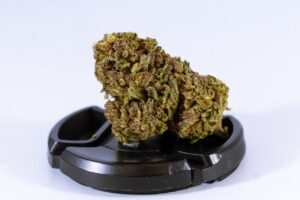

For medicine, physicians select the dose to target conditions, reduce pain, or control symptoms, and the emphasis remains on secure, consistent outcomes. Patients tend to go low and slow, titrating in small amounts and observing how their body responds. By comparison, recreational cannabis users typically desire rapid results or a specific high, so they’re more likely to take higher or less precise doses. Guidelines, product varieties, and body chemistry also factor into the dosage. To understand how all of these factors influence actual dosage decisions and what this implies for consumers, the following section explains crucial points in depth.
Table of Contents
ToggleKey Takeaways
- Medical cannabis dosing is tailored to accomplish specific therapeutic goals, focusing on symptom relief and wellness rather than intoxication or euphoria.
- Dosing strategies and effectiveness vary wildly due to individual factors like medical condition, metabolism, previous cannabis experience, and method of administration.
- Using the least amount that works and titrating off patient feedback as the treatment proceeds allows you to optimize therapeutic effects while minimizing side effects and potential for addiction.
- Knowing the effects of major and minor cannabinoids, as well as terpene profiles, is important for customizing treatments to specific patient needs and conditions.
- Regular dosing, careful documentation, and prudent experimentation enable reliable outcomes and give patients the power to discover their ideal regimen.
- Regulatory compliance, lab testing, and product consistency are crucial across the board for safety, efficacy, and informed decision-making, whether medical or recreational.
Why Dosing Goals Diverge
Medical cannabis dosing is different from recreational use because it requires specific treatment. Recreational users want to get stoned, and medical users want to control symptoms and disease. This distinction influences dose selection, types of cannabis products consumed, and desired results.
Therapeutic Endpoint
For medical cannabis, obvious therapeutic targets are essential. When patients and doctors select cannabis, they do so not for a euphoric high but to alleviate or manage symptoms associated with diseases such as chronic pain, epilepsy, or multiple sclerosis. They define success by what gets better in everyday life — less pain, reduced seizures, deeper sleep — not the subjective experience of ‘high.’ To achieve these ideal outcomes, dosages have to be individually modified because no two patients react identically. Low and moderate doses can provide comparable relief for the majority, as one study reported 21 of 37 individuals experiencing pain relief at low doses. Continued monitoring is crucial to verify whether the selected dose is both on target and clear of toxicity.
Psychoactive Experience
Recreational users typically desire a powerful ‘high’. Medical users seek relief with as little intoxicating effect as possible. This leads to different THC levels in products: recreational weed can be high in THC, while medical cannabis might use less THC or more CBD to avoid strong psychoactive effects. How potent a product is shapes the experience, and that shapes dosing guidance. For medicinal purposes, less is more, since high doses often don’t add value and instead impair patients’ ability to engage with their world.
Symptom Management
Dosing for symptom management is about tailoring the type and dosage of cannabis to the issue. Some patients require assistance for pain, others for nausea or sleep. Different cannabinoids do different things. Nabiximols, for example, have demonstrated superior pain relief compared to placebo, particularly at low or medium doses. Ongoing evaluation helps adjust the dose, as symptoms may evolve. They’re all crafted with the patient’s individual needs in mind.
Tolerance Building
Even regular medical users can develop tolerance, that is, their typical dose may cease to be as effective. Dealing with this means dozing off or rotating products. Reconsidering the dose occasionally, however, helps keep it working. Patients have to understand that an increased tolerance can lead to addiction.
The Cannabinoid Blueprint
Medical cannabis works best when you know the details of its compounds. The cannabis plant packs some 540 chemicals, and cannabinoids such as THC and CBD take center stage for both medicinal and recreational users. Knowing the blend and function of these factors is essential for responsible dosing, particularly if you’re medicating with cannabis. Medical demands require a more precise cannabinoid balance, whereas recreational desires skew closer to the buzz.
THC VS. CBD
Cannabinoid | Psychoactive | Main Uses | Legal Status (US/Global) |
THC | Yes | Pain relief, appetite, euphoria | Restricted or illegal in many regions; legal for medical use in some countries |
CBD | No | Anxiety, inflammation, epilepsy | Legal in many countries; regulated differently from THC |
THC and CBD are the most researched cannabinoids. THC provides the “high” and assists with pain and appetite loss. It’s additionally prescribed for nausea in cancer patients and as an appetite stimulant for those suffering from HIV/AIDS. CBD, on the other hand, can help calm anxiety and reduce inflammation. It’s common in medical cannabis formulations since it isn’t psychoactive and is less regulated.
THC and CBD laws vary by region. Certain nations permit the medical use of THC, while others restrict people to CBD alone. This implies the THC level in medicinal products needs to be monitored, as excess may induce unwanted symptoms.
Minor Cannabinoids
Apart from THC and CBD, there are other cannabinoids such as CBG, CBN, and CBC. These minor compounds may aid in pain, sleep, or mood, but require further study. For example, we see the synthetic cannabinoid nabilone on the list, shown to help with PTSD-related nightmares and chemotherapy nausea. Other research suggests that these micro-cannabinoids function optimally alongside THC and CBD, rendering the entire plant more effective.
For some patients, products with a more cannabinoid-rich profile may yield superior results. They are studying how each functions for issues such as chronic pain or muscle spasms.
Terpene Profiles
Terpenes aren’t cannabinoids, but they do matter. These chemicals make cannabis smell and taste. Certain terpenes, like myrcene or limonene, for example, could soothe anxiety or pain. The correct terpene blend can alter the action of cannabis in the body and even be potentially therapeutic for certain symptoms over others.
Selecting cannabis with a close terpene profile can personalize this medical treatment. Patients should seek what works for them for better results.
The Patient-Specific Equation
Medical cannabis dosing is not one-size-fits-all. Unlike recreational use, medical dosing must account for health status, effects, and risks. The term “patient-specific equation” (PSE) most often refers to a formula for kidney function—estimating glomerular filtration rate (GFR)—using data like age, sex, and weight. While PSE helps doctors tailor kidney treatment, its idea—precision based on patient differences—applies to cannabis dosing too. Here’s how care teams build a dosing plan:
- Review past medical records, current medications, and organ function such as GFR with PSE or CKD-EPI.
- Check up on health—are there any chronic illnesses, allergies, or other medications?
- Evaluate specific metabolism (weight/age/typical reaction to medication).
- Discuss lifestyle: sleep patterns, work schedule, diet, and physical activity.
- Work with practitioners to translate data and establish safe, effective dosage starting points.
- Start low, titrate according to response, and monitor side effects.
- Schedule regular check-ins to re-evaluate the plan and optimize effectiveness.
Medical Condition
- Chronic pain: High-CBD, low-THC for pain relief with fewer psychoactive effects.
- Epilepsy: CBD-dominant blends for seizure control.
- Anxiety: Balanced CBD/THC or high-CBD for symptom management.
- Cancer: THC for appetite, CBD for nausea.
- Multiple sclerosis: Both cannabinoids for spasticity and pain.
The condition – how serious and what type – determined the starting dose. Hard cases might require higher doses, but always under close observation. Chronic conditions are prone to dose checks because symptoms can wax or wane, and side effects emerge. Collaborative care—doctors, patients, and caregivers together—helps optimize dosing for safety and success.
Individual Metabolism
Metabolic rates determine the speed at which the body processes cannabinoids. Enzyme levels, liver and kidney function (occasionally PSE), and even genetics create huge variations in response. Fast metabolism might require more or more frequent dosing, slow metabolism, less.
Monitoring body reaction—side effects, degree of relief, timing—provides hints for the next dose. Patients should pay attention to trends and communicate with providers, as even slight changes in routine, diet, or stress can alter dosing requirements.
Previous Experience
Previous cannabis use affects tolerance. Veteran users may require elevated dose thresholds to experience the same sensations, while newcomers are more susceptible to side effects, even at low doses.
Being upfront about prior cannabis use assists providers in establishing safer, more realistic objectives. Newbies could begin by microdosing, topping up only if necessary, while experts could bypass the tiniest doses. This history-driven approach reduces risk and establishes credibility.
How The Consumption Method Matters
How you consume cannabis affects not only its bioavailability but also the duration of its effects. Medical patients and recreational users often prefer one consumption method over another. The method affects how much of the active components — the cannabinoids — get to your system, how quickly you feel the effects, and how long they persist. Safety, precision, and personal preference factor heavily into choosing a method.
Inhalation
Inhalation is one of the quickest methods of introducing cannabinoids into your system. Smoking and vaporizing, on the other hand, deliver the cannabinoids immediately through the lungs into your bloodstream. It kicks in within minutes, which is useful for individuals who require immediate alleviation, like those experiencing acute pain or nausea. This quickness is why stoners prefer smoking up, typically in units.
The ability to dose accurately is one of the benefits of new vaporized products, which are sold in units of specific amounts. Yet, every drag can be slightly different, so you have to listen to your style. Even slight differences in how deeply you inhale or how long you hold the vapor can shift your dose.
Medical inhalation equals risk awareness. Daily smoking or vaping could damage lung health in the long run, so patients would need to balance the urgency of the relief with long-term safety.
Ingestion
Edibles bring a slow, longer-lasting effect. Having consumed an edible cannabis product, it can take as long as two hours for the body to metabolize it and deliver the cannabinoids into the bloodstream. This sluggish beginning can be an issue if you anticipate quick relief. Once it kicks in, the effects could linger for half a dozen hours or more.
Dosing with edibles is hard. Each person’s body operates at a different speed, and metabolism alters the intensity of the effects. This can make it easy to consume too much by accident if you don’t wait for the initial dose to set in.
Start low; going slow is good advice. Most med users start with a small dose — 2.5 to 5 mg THC — and wait and see how they feel. Good labels and product consistency are key for this method.
Sublingual
Sublingual (drops or sprays under the tongue) gives fast absorption. Cannabinoids enter the blood through small vessels in the mouth, so effects are generally experienced within 15 to 30 minutes.
Tinctures and sprays assist with dosing. Most include measured droppers or spray pumps, so it’s simpler to receive the same dose consistently. This comes in very useful for plan-bound people, such as patients managing chronic symptoms.
Convenience is a benefit. Individuals seeking relief who need to keep it silent can dip into these methods nearly anywhere. Bioavailability—how much gets into your bloodstream—is often better than with edibles, so less might be required.
Topical
Topicals travel fast to your bloodstream, skipping the digestive process entirely. Creams, salves, or patches allow cannabinoids to absorb into the skin and assist with local aches or inflammation, such as arthritis or muscle soreness.
There’s minimal danger of getting “high” from topicals, useful for patients who want relief but not effects that alter their minds. They’re worth the experiment for anyone suffering from knee pain, joint aches, or inflammation.
Topicals aren’t good for symptoms requiring effects across the entire body. For these, smoking or eating may be superior.
There are boundaries—topicals can’t penetrate deep inside the body or brain.

The Dosing Mindset
Medical cannabis dosing instead goes on a different route than recreational use. The secret is in dosing with an emphasis on safety, stability, and repeatable results, not the ride. They’re taking cannabis for relief, so the dosing, tracking, and adjusting are much more intentional. Most researchers use 5 mg THC for research, but recreational products might use 10 mg because of packaging and labeling regulations. It can take a little while to find the right dose, particularly with edibles, which can take up to two hours to kick in.
- Begin with small doses—‘Start low, go slow’ is the motto
- Track every dose and the effects for future reference
- Calibrate doses from experience, not just single results.
- Experiment with new strains or products just in safe, incremental doses.
- Be patient; finding the right dose may take weeks
- Always source products reliably to ensure consistent cannabinoid levels
Consistency
Dosing mindset. That’s the secret sauce for patients seeking stable results. When patients use the same dose at the same time each day, they see patterns and know what to expect. Little shifts in dose, particularly with high-potency products, can cause large shifts in effects. Routine helps prevent unwelcome surprises–something anyone managing chronic pain or other conditions can appreciate.
Trustworthy sources count, as well. Not all cannabis products are created equal when it comes to THC, despite what labels may say. Medical consumers should purchase from trusted sources that test their products, making it easier to identify the contents.
Predictability
Predictability breeds confidence in medical cannabis. When patients have an idea of what to expect, they can schedule their day and control their symptoms more effectively. By monitoring their responses and communicating observations back to their care team, they contribute to establishing a dependable dosing regimen.
The direction also matters. Understanding dose, timing, and effects allows users to make safer decisions and avoid unintentional excess.
Experimentation
Discovering the proper dose usually involves pumping strains, amounts, and timing. Specific record-keeping — a journal — allows patients to identify patterns and prevent recurrences of errors. Safe, controlled experiments—dose a little, wait, observe—reduce the danger of overconsumption, particularly with edibles.
Experimenting might even uncover new advantages, such as better sleep or less anxiety, that typical doses overlook.
Tracking And Patience
Regularly track doses and effects.
Be patient—results often take time.
Keep steady with the routine.
Change only one thing at a time.
Quality And Regulation
Medical cannabis dosage is different from recreational use because of quality and regulation. These checks are around patient safety, product uniformity, and regulatory compliance. Regulations differ in the way products are tested, labeled, and tracked, which influences dosing and patient outcomes.
Area | Medical Cannabis | Recreational Cannabis |
Lab Testing | Mandatory, rigorous checks for potency and contaminants | Often required, sometimes less stringent |
Product Consistency | High priority for reliable dosing | May vary; less strict oversight |
Labeling & Packaging | Detailed, regulated, includes dosing info | Often less detailed, varies by region |
Legal Framework | Strict, patient-focused, includes tracking | Varies widely, sometimes less strict |
Quality Control | Comprehensive, multiple checkpoints | Requirements depend on local laws |
Lab Testing
Lab testing should be at the top of every medical cannabis company’s list. It tests cannabinoid levels—like THC and CBD—and checks for contaminants such as pesticides, heavy metals, and microbes. This is crucial for patients who depend on accurate dosages.
Lab results give doctors and patients transparent information to choose the ideal product and dosage. Without it, you run the risk of under- or overdosing and damaging patient outcomes. To be safe, patients should only purchase products with third-party lab results to make sure the product is what’s on the label and that it’s not contaminated with anything dangerous. Clear lab reports are crucial. It fosters trust and enables consumers to make informed decisions. In jurisdictions where the lab requirements are flimsy, there’s no product safety to promise, either.
Product Consistency
Stable formulations in medical cannabis are needed for dependable dosing. A patient anticipates a consistent response from a product. If quality or potency varies from batch to batch, dosing is a crapshoot and potentially dangerous.
There can be variations in growing, harvesting, or manufacturing processes. This causes erratic outcomes that leave patients unable to cope with symptoms. Go with brands that have a history of products. Good labeling is important, too—patients require transparent details to choose the appropriate product.
Legal Framework
Medical and recreational cannabis laws vary. Medical use usually has more regulations, such as required lab testing, packaging, and product tracking.
Being aware of local regulations is crucial. The rules change, which means it’s a moving target to stay up-to-date and use it legally and safely. Strict legal access protects patients, supports patient safety, promotes responsible use, and contributes to public trust.
Conclusion
Medical cannabis requires attentiveness in dosage. Physicians begin low and observe. They take a look at the patient’s needs, health, and other medications before they select the appropriate dosage. Medical users seek relief, not a buzz. They want to feel better and manage symptoms. Everyone’s body responds a bit differently. The form you consume cannabis in — oil, pill, or smoke — affects the strength and speed. So do laws and quality, as well. To find the optimal dose, always consult a physician and keep notes about your experience. Share your stories, seek assistance, and be open to learning more. Safe use begins with wise decisions and honest conversations.
Frequently Asked Questions
1. Why Is The Dosage For Medical Cannabis Different From Recreational Use?
Recreational use frequently centers around the ‘high’. This goal difference causes dosing differences.
2. How Do Cannabinoids Affect Medical And Recreational Users Differently?
Medical users may require specific cannabinoids for targeted therapy. The recreational user may seek higher THC levels for euphoria. The body’s reaction differs based on the intent and cannabinoid variety.
3. Why Is It Important For Medical Cannabis To Have Precise Dosing?
Accurate dosing allows patients to maintain steady symptom relief with fewer side effects. Proper dosing is key to safe and effective medical treatment.
4. Does The Method Of Cannabis Consumption Change The Dosage?
Yep, various routes—like inhaled, oral, or topical—determine the speed and amount of cannabis that enters the body. It affects the quantity and the frequency one should dose.
5. Can Recreational Cannabis Users Use The Same Products As Medical Patients?
There’s some overlap in products, but medical cannabis tends to have tweaked cannabinoid ratios and quality as well. The fact that medical products are designed for safety and consistency.
6. What Factors Affect How Much Medical Cannabis A Patient Needs?
Each patient’s unique body chemistry, condition, and treatment goals determine what the right dose is. Doctors take these things into account for safe and effective dosing.
7. Are There Regulations That Make Medical Cannabis Safer Than Recreational Cannabis?
Medical cannabis is typically under tighter quality controls, labeling, and dosage requirements. These regulations serve to protect patients as well as ensure quality control.
Not Sure Where To Start With Cannabis? We’ll Help You Find The Right Dose.
Getting the benefits of cannabis starts with using the right amount, and that’s different for everyone. At A Therapeutic Alternative in Sacramento, we offer personalized Cannabis Dosage Guidance to help you feel confident, informed, and supported every step of the way.
Whether you’re new to cannabis, exploring it for a specific condition, or just want to fine-tune your current routine, our expert consultants and cannabis-trained nurses are here to guide you. We’ll walk you through what THC and CBD do in your body, help you choose the right products and methods based on your goals and preferences, and develop a safe, effective dosage plan that adapts as your needs change. You’ll also avoid common pitfalls, like overdoing it or wasting money on products that don’t work for you.
We take the guesswork out of cannabis use so you can focus on feeling better.
Consultations are available in person, by phone, or via Google Meet. Let’s find your ideal dose—so you get the results you’re looking for, without the stress.