
Table of Contents
ToggleKey Takeaways
- How to Choose Cannabis Strains, in which we examine the importance of cannabis genetics and strain selection.
- Knowing the distinctions between seeds and clones and between male and female plants lets you tailor your cultivation strategy for uniformity, strength, and genetics.
- Mastering the lifecycle of cannabis, including germination, seedling, vegetative, flowering, and harvest, ensures you can maximize plant health and yield by applying precise environmental controls at the right time.
- To achieve a perfect growing environment, you need to regulate temperature, humidity, airflow, and light. You should tailor strategies for indoor, outdoor, or greenhouse growing to optimize plant health.
- A balanced approach to nutrients, water quality, light spectrum, and plant training encourages powerful growth and premium cannabis flower. Drying, curing, and third-party testing help maintain potency and safety after harvest.
- By focusing on quality, consistency, and sustainability in your cultivation, you are fueling consumer trust and satisfaction and fortifying your cannabis business’s economic and environmental viability.
Cannabis flower is how it’s grown and why it’s important, each and every step from seed to harvest. You experience how the soil, light, water, and air influence the appearance, texture, and potency of every bud. Your decision on where and how cannabis grows translates to a genuine, actual difference in flavor, aroma, and impact. Growers employ techniques such as organic soil, hydroponics, and precise climate control to suit your desire. Clean, safe, and powerful flower requires attention throughout the entire lifecycle, not just at harvesting. You want to understand how these steps alter what you consume and why it’s priced the way it is. To guide you in choosing the right flower, let’s stroll through the manner in which cultivators sculpt your encounter.
The Genetic Blueprint
Everything from its height and leaf shape to its chemical profile and sturdiness is influenced by the cannabis plant’s genetic blueprint, or complete set of instructions. This blueprint is not static. Over the millennia, environments and human selection have sculpted the cannabis gene pool into the diverse array of strains we have today, including quality cannabis cultivars. Each strain is a cocktail of characteristics inherited from its distinctive genes. These genes regulate the plant’s cannabinoid production, primarily THC and CBD, which are important for both recreational and medical use. The genetics of cannabis plants also determine how they respond to climate, soil, and light during the cannabis flowering phase. With genetic testing and mapping now a reality, you can hone in on strains that maintain quality and effect, which is crucial for users and growers who need consistency. Understanding a strain’s genetics allows you to tailor it to your requirements, whether that involves medicinal advantages or precise cultivation conditions.
Strain Selection
When selecting a strain, consider how and where you intend to cultivate and the experience you seek. Certain strains prefer warm, arid zones while others thrive in cooler, humid environments. Your choice influences not only output but also the vigor and susceptibility of the cannabis plants to pests or illness.
To ensure quality cannabis and potency, examine the genetic ancestry of the strains. A strain’s pedigree reveals whether it’s derived from powerful parents and, more importantly, if it possesses the characteristics you desire. A longtime strain, like a landrace, provides consistency, while hybrids can offer the benefits of both hard-hitting effects and robust growth.
Market trends play a crucial role in your selection process. Certain strains command a premium due to their distinctive cannabinoid profiles. Understanding what your customers seek—whether it’s high-quality cannabis buds, balanced CBD, or terpene-rich flowers—can guide your cultivation decisions.
Cannabis flowering times vary significantly; sativas may take 12 to 16 weeks to mature, while indicas can finish in as little as 8 to 10 weeks. This timing impacts planning and resources, especially if you aim for large-scale cannabis cultivation.
Seed VS. Clone
Seeds provide genetic diversity. Every seed is a combination of characteristics, so there are always potential new phenotypes with unique qualities. Seeds are cheaper at scale.
Clones provide uniformity. If you want each plant to be identical to the previous, clones are your solution. Based on cuttings from a mom, you receive an exact genetic duplicate.
Clones come up quicker and bypass the seedling phase. They can bring diseases from the mother plant. Seeds, though more random, begin blank and can yield you stouter growth.
If you want predictable results, clones triumph. If you want to cross or hybrid new varieties, seeds are great.
Male VS. Female
Male and female plants have very distinct functions. Females produce the cannabinoid-rich buds. These are what you desire for medical and recreational consumption.
We don’t do buds, boys, but you’re essential for propagation. They donate half the genes to new strains and influence future characteristics.
If you grow flowers, you take out the males early. They shed pollen, which can destroy your crop by causing females to seed rather than blossom.
For breeders, retaining a few select males is crucial. They crossbreed to develop strains with a higher yield, more potency, or less disease susceptibility.
The Cultivation Lifecycle
Cannabis cultivation is a subject where every little phase, including the cannabis flowering time, significantly impacts the product’s quality and yield. Understanding the lifecycle and environmental needs of female cannabis plants is crucial for making informed decisions. Timing and precision at every step matter for maximizing both efficacy and output.
- Germination – It begins, as all things do, with the germination of seeds. To prime your cannabis seeds, soak them in water for 24 hours. Following soaking, seeds are sown into a humid, warm environment, optimal 22 to 25 degrees Celsius. This phase requires careful attention to moisture. Seeds need to stay wet but should never be submerged in water. Watch for the first sign of life: a white taproot breaking through the seed shell. Good germination produces powerful seedlings for the next step.
- Seedling: Once sprouted, seedlings require 16 to 18 hours of light per day and a gentle nutrient mix. Chunky leaves with a bright green color indicate vigorous health. If seedlings are pale, leggy, or spotty, tweak your light intensity and look for pests. Intervention early here can avoid losses down the road. As roots outgrow their starter medium, an easy way to prevent stunted growth is to move seedlings into larger pots.
- Vegetative – In the vegetative phase, cannabis plants concentrate on leaf and stem growth. Make sure you give them at least 18 hours of light along with a balanced N-P-K mix. Thin out lower leaves and branches to increase airflow, and train plants flat with topping or low-stress training to optimize light dispersion. Be on the lookout for nutrient burn or deficiency, including yellowing or crispy leaf tips. The initial three weeks are a stretch period, with plants potentially increasing up to twice their size.
- Flowering – The flowering stage is divided into flower initiation, mid-flowering, and late flowering. Indoor plants need a rigid 12-hour light cycle; outside plants require six hours of direct sun. Flower initiation causes visible bud sites, which swell throughout mid and late flowering. Keep a close eye on humidity, temperature, and airflow. Prune once more on day 40 to control pests and circulate air. Trichomes should be milky white and pistils mostly orange when harvest nears. Dark pistils and trichomes indicate overripe buds, which can negatively impact potency and flavor. This phase extends eight to eleven weeks, requiring perpetual attention.
- Harvest – Harvest timing is crucial. Make sure buds are dense and sticky, with the majority of the trichomes cloudy and some amber. Harvest when it is cool, in the morning or late evening, to minimize moisture stress on plants. With sanitized shears, prune branches while causing as little damage as possible. The moisture content needs to be approximately 10 to 15 percent for curing. Get right to drying and curing to seal in potency and fragrances.
Mastering The Environment
Growing weed requires more than just seeds and dirt. You have to mold the environment to accommodate the plant. The right setup transforms not only the yield but also plant health, potency, and environmental footprint. The key elements you need for an ideal grow space are:
- Consistent temperature and humidity control
- Proper lighting or sunlight exposure
- Good airflow and ventilation
- Clean, safe water source
- Nutrient-rich soil or hydroponic medium
- Reliable pest management practices
- Efficient use of space
- Integration of tech for monitoring and real-time adjustments
Temperature, humidity, and airflow are crucial in every grow. Temperature swings stress the plant and damage yields. Humidity maintained between 40 to 60 percent prevents mold and pests. With airflow, you keep leaves dry and roots healthy. Technology allows you to monitor these figures and adjust accordingly. Sensors, timers, and controllers eliminate guesswork. Whether your method is indoor, outdoor, or greenhouse, it changes the implements you use and the outcomes you achieve.
Indoor Cultivation
Indoor cannabis cultivation provides you with complete control over the cannabis growth process. You can choose the light type, whether it’s LEDs, HPS, or CMH, ensuring that each cannabis bud site receives adequate light without burning. This means carefully suspending lights at correct distances and intervals, recalibrating as the cannabis plants stretch during their flowering phase.
Maintaining the right temperature between 22 and 28 degrees Celsius during the day and slightly lower at night is essential for quality cannabis. Humidity plays a crucial role; keep it at 40 to 60 percent, supplementing with dehumidifiers and fans for optimal conditions. This requires daily focus to ensure good cannabis health.
Space is valuable in your indoor cannabis garden. While you may want to fit in more cannabis plants, avoid overcrowding. Utilize racks and vertical grows, and prune to ensure light reaches all sides. Effective pest control is vital; use sticky traps and maintain cleanliness to protect your cannabis plants.
Outdoor Cultivation
Select a location with full sun and well-drained soil for your cannabis garden. Mediterranean climates, which have mild winters, long summers, and low humidity, are ideal for growing quality cannabis. Outdoor cannabis plants can shoot roots 2 to 2.5 meters deep and 1 to 1.5 meters wide, allowing roots access to fertile soil and organic mycorrhizal networks that enhance cannabis growth.
Observe the weather day by day. Rain, wind, and frost can be harmful to your cannabis plants. Employ covers or windbreaks when necessary. Water use fluctuates, roughly 21 liters per plant per day in mid-summer, peaking to a little less during early autumn. Organic techniques enrich the earth and fortify the vegetation, ensuring good cannabis quality through compost, mulch, and crop rotation assistance.
As always, consult your local laws. Certain locations prohibit outdoor cannabis. Others impose plant count or fence restrictions.
Greenhouse Cultivation
Greenhouses combine indoor control with sunlight, making them ideal for cultivating quality cannabis. You can manage temperature and humidity while consuming less power than a purely indoor setup. Transparent roofs allow sunlight to penetrate, but incorporating shade cloths and vents helps prevent overheating during the cannabis flowering phase.
Intelligent climate control systems let you adjust lighting, ventilation, and irrigation, enabling year-round cannabis growth. However, pests and diseases can infiltrate your cannabis garden, so it’s essential to deploy screens, sticky traps, and biological controls. Clean tools and surfaces frequently to maintain a healthy environment for your cannabis plants.
Greenhouse technology reduces energy consumption, yet attention to emissions remains crucial. The interplay of lighting, ventilation, and cooling creates challenges for growers in optimizing their processes for successful cannabis cultivation.
The Art Of Nurturing
Nurturing quality cannabis flower is an experience crafted by attention, expertise, and a deep understanding of plant science. How you treat every stage — from seed to full bud — defines the taste and impact of your harvest. Everything — from the light you choose to the water you provide for your cannabis plants — counts. When you listen to your plants and respond as they mature, you foster not only the plant but yourself as well.
Light Spectrum
Like any plant, your cannabis plants need light, but not just any light! Different light colors are needed for different times in the cannabis growth cycle. Blue is best in the early, leafy stage, helping to keep stems short and strong. For bud production, more red light is better as it signals the cannabis plant to transition to the flowering phase. If you’re craving rich smells and oils—those terpenes and cannabinoids—pinpoint lighting at just the right moment is critical for quality cannabis buds.
Consider the duration and intensity of the light. Too much light will stress the plant, while too little light means you won’t get strong, quality cannabis. LEDs are standard now because they’re more energy efficient and allow you to select the most favorable light spectrum for each phase of growth, ensuring healthy cannabis flowering.
Nutrient Strategy
A well-rounded nutrient regimen keeps your garden hearty all the way through. Early on, you provide more nitrogen, which encourages leaf development. As your plant transitions to budding, you add more phosphorus and potassium. If you don’t monitor your nutrient mix, you may experience yellow leaves or slow growth, indicating that something is missing or in excess.
With organic fertilizers, the soil is healthier, so roots absorb what they require. You have to change the mix as plants mature. This requires careful tending. Too much of one nutrient can harm the plant as much as too little. Testing soil or water for nutrients keeps you on track.
Water Quality
Pure water is a magical elixir for any cannabis grow. If your water is too salty or has heavy metals or is the wrong pH, your plants won’t absorb nutrients well. Most growers maintain water pH in the range of 5.8 to 6.5. If the pH is off, you will get slow growth or brown spots on leaves.
Efficient watering means not giving too much at once. Roots need air, too, so soggy soil is a problem. Dry roots slow growth. Signs of water stress are drooping leaves or leaves with curled edges. Using a meter to check moisture helps you get it right. Even small changes in water quality can change the outcome.
Plant Training
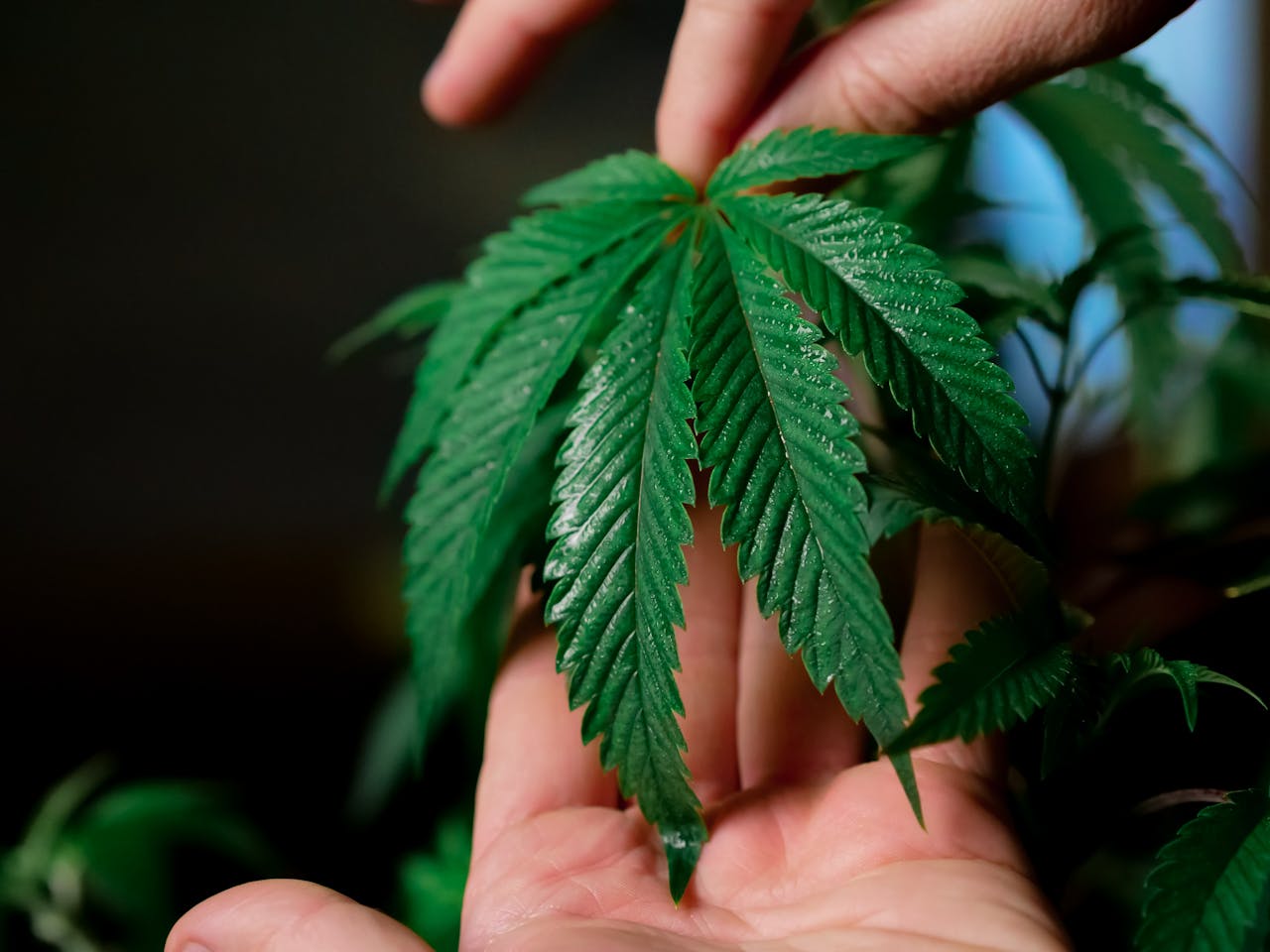
Pruning for your plants is more than just trimming leaves. Topping the plant means that you cut off the main tip to encourage side branches to grow. It distributes the plant and allows greater light penetration. Low-stress training means bending stems over gently. This helps buds receive more light without damaging the plant.
You have to watch how your plant reacts to each method. If you train it too hard or at the wrong time, it can slow growth. If you do it right, you get more, better buds. Pruning away lower leaves that don’t get light helps the plant focus energy on top buds. Each plant is different, so you need to watch and respond. Careful, gentle hands are a must since rough handling can break stems or bruise flowers.
Beyond The Harvest
How you process cannabis after harvesting it has a great impact on its potency, safety, and shelf life. Post-harvest steps extend well beyond simple picking; they determine how the cannabis plants will ultimately be consumed, whether medicinal, recreational, or for cannabis products like industrial fiber and construction materials. Every stage – drying, curing, and testing – must be meticulously managed to highlight the unique strengths of every batch, ensuring quality cannabis buds that stand out.
- About: BEYOND THE HARVEST dripDRY Keep flowers at 24 to 30 degrees Celsius (75 to 86 degrees Fahrenheit) for best drying.
- Use controlled humidity, ideally 50–60% RH.
- Trim and handle buds with clean tools
- Keep in glass or stainless steel containers to avoid light and air.
- Test for cannabinoid profile and contaminants before distribution
- Compost cannabis waste with food waste to get it out safely.
Drying
Drying is beyond just taking the water out; it defines everything after the cannabis flowering phase. You need that sort of slow, steady curing to kill mold yet preserve those lovely trichomes bursting with active compounds found in quality cannabis. The room ought to remain at 24 to 30 °C (75 to 86 °F) with humidity at 50 to 60%. If it’s too hot, above 31 °C, THC drops, and the cannabis plant ceases growing properly. Cold, under 15.5 °C, things slow down and can bring mold.
Monitor moisture daily. Moisture meters assist, but you can sense the stems snap, not bend. Too soon, and the marijuana buds dry out, sacrificing flavor and potency. Too slow and you invite mold, particularly if air circulation isn’t consistent.
Some other growers hang full branches upside down or employ nodular mesh racks. Both function to maintain distance between cannabis buds. Watch out for over-drying indications such as crumbly texture or a bleached appearance. They’re tough to repair and devalue the final result.
Curing
Curing is when you seal in flavor and aroma. Once dry, place buds in airtight jars. Open them daily to release moisture, a process called “burping.” This allows you to prevent mold and lets the chemical reactions continue. As it cures, sugars and chlorophyll break down. This makes the last puff smoother and tastier and the terpene profile more concentrated.
Inspect jars for wet patches or strange odours. Some cure in just a week or two, but others take six months. A longer cure can translate to a stronger, more intricate flavor, but it’s not always necessary. You can tweak the cure time according to your desired flavor or potency. Some users prefer a lighter, quicker buzz and cure less.
Testing
Trial is how you discover what you’ve built. Labs test the potency of THC, CBD, and other cannabinoids. They screen for mold, pesticides, and heavy metals. This is important for security, particularly for medicinal consumers. Most other markets need complete lab results to comply with regulations.
You want these results so you can put them on your product and assist purchasers in anticipating. Pull the data to adjust your next growth. Perhaps you want more CBD or a specific terpene. Compliance matters for export and industrial uses, such as textiles or insulation, too, since fiber quality suffers if grown on depleted land.
Why Cultivation Matters
Proper cultivation influences not only the quality of cannabis flower but also your confidence in its safety, consistency, and worth. How you cultivate cannabis plants establishes the foundation for their medicinal value, flavor, and even ecological footprint. Here’s how quality, consistency, sustainability, and economics all flow from cannabis cultivation.
Economic Impact | Job Creation | Sustainability Practices |
Boosts local GDP | New roles in farming, research, and retail | Energy-efficient lighting, water recycling, and organic fertilizers |
Expands export value | Technical training opportunities | Crop rotation, biodiversity, and integrated pest management |
Stimulates new tech | Supports small businesses | Reduces chemical runoff, improves soil health |
Quality
Quality in cannabis goes beyond just THC or CBD levels. When you want a trustworthy product, you desire quality cannabis buds with a robust terpene profile and zero dangerous residues. Your enjoyment hinges on how cultivators manage everything from seed genetics to post-harvest curing, particularly during the cannabis flowering phase.
Best practices for quality cannabis involve thoughtful genetics, optimal climate control, and expert nutrient management. Growers monitor temperature, ideally between 18-21°C (60-70°F), and maintain 45-55% humidity to prevent mold or airy buds. Every 1% increase in light can enhance yields, but only if paired with proper airflow and pruning techniques throughout the cannabis growth cycle.
Good quality is also a matter of trust. You want to be assured that your cannabis plants are cultivated in clean soil, free from pesticides or heavy metals. Brands that uphold these standards earn your loyalty, while sub-standard quality can lead to frustration and lost business in a competitive market.
Consistency
Protocols/SOPs | Description |
Environmental monitoring | Track temp, humidity, CO₂, light, nutrients |
Batch testing | Lab analysis for potency and contaminants |
Uniform pruning schedules | Standardize plant shape and airflow |
Controlled curing process | Precise moisture loss for 6–8 weeks |
Consistency begins with tracking every factor. You stabilize growing conditions such as light cycles, water, and temperature, so each crop is consistent with the previous one. This way, you know what you’re getting, whether you’re a patient, a retailer, or a consumer.
SOPs guarantee that each batch undergoes the same process, from cloning to harvest to curing. Lab testing confirms THC, CBD, and terpene levels are within strict ranges. For you, consistent quality translates into dependable results and safety.
Cannabis’ reputation depends on this consistent magic. Brands that cultivate their craft earn your trust, while those whose outcomes are a toss-up lose their market share.
Sustainability
- Rotating crops to protect soil and prevent pests
- Using drip irrigation and rainwater harvesting to save water
- Switching to organic fertilizers and composting plant waste
- Relying on natural pest controls, like ladybugs
- Choosing energy-efficient LED grow lights
Organic practices build healthy soil and increase biodiversity. You understand the value of purer bud, more flavorful terpenes, and reduced ecological impact.
Saving water goes along with good farming. Drip irrigation and water recycling reduce total consumption, which is important in drought-plagued areas. Sustainable farms endure and encounter less red tape, so the entire industry is more secure for you and those to come.
Economics
Cultivation is why it counts. Cannabis cultivation provides jobs and new revenue to communities globally. As a premium crop, it can out-earn many traditional staples, particularly when quality and consistency are strong. Markets include research and new technology, which increase yields and reduce costs.
Financial returns connect directly to how growers manage quality. Bad crops translate into lost earnings and reduced demand. Smart strategies increase yield. Innovative and sustainable methods make farms more competitive, keep costs low, and help satisfy growing demand.
Conclusion
You now understand how every step in growing cannabis flower molds what ultimately ends up in your palms. Sun, water, soil, and a hands-on touch all remain genuine factors. A minor shift in light or feed can send the smell, taste, or strength in a different direction. Each grower makes decisions that impact the final outcome. That decision can translate to a velvety, complex taste or a pure, invigorating high. Curious about how these buds grow, you can recognize true quality and fair practice. You have the freedom to select what suits your palate and principles. Want to know more? Your next article will help you learn more about how farm to shelf works and what sets top growers apart.
Frequently Asked Questions
1. What Is The Genetic Blueprint Of Cannabis Flower?
The genetic blueprint of the cannabis plant, including its DNA, dictates characteristics such as smell, strength, and hardiness. Opt for quality cannabis genetics for consistent results.
2. How Long Does The Cannabis Cultivation Lifecycle Take?
The complete seed-to-harvest cycle for quality cannabis typically lasts between three and six months, varying by strain and growing conditions.
3. Why Is Environmental Control Important In Cannabis Cultivation?
Light, temperature, and humidity all help your cannabis plants grow healthy and strong, enhancing the yield and quality of cannabis.
4. What Is Involved In Nurturing Cannabis Plants?
You have to water, feed, and prune your cannabis plants with care. Consistent attention keeps bugs and illness at bay, encourages robust cannabis growth, and leads to more potent quality buds.
5. What Happens After Cannabis Is Harvested?
Post-harvest drying and curing are key steps in preserving quality cannabis. These procedures enhance taste, scent, and strength, providing you with elite marijuana products.
6. How Does Cultivation Affect The Quality Of Cannabis Flower?
How you cultivate your cannabis plants matters because it impacts potency, safety, and taste. Well-grown marijuana flowers are untainted and provide a superior experience.
7. Why Should You Care About How Cannabis Is Cultivated?
Understanding marijuana cultivation is essential for selecting safe, quality cannabis buds, ensuring you enjoy the desired effects and receive good value for your money.
Choose Cannabis Flower With Confidence At A Therapeutic Alternative
Cannabis flower can be deeply personal, and understanding how it’s grown, labeled, and experienced helps you move beyond trends and into informed choice. If these articles raised questions about terpene profiles, THC levels, freshness, or how to read labels with confidence, you don’t have to figure it out on your own. Thoughtful guidance makes a real difference, especially when your goals are wellness-focused.
Our team at A Therapeutic Alternative is always here to help you connect education to real options. Feel free to contact our team with questions or stop by for an in-person conversation rooted in care and knowledge. When you’re ready, you can also browse our cannabis flower menu to explore available options at your own pace and choose what aligns best with your preferences.